Last week I wrote about exercise and health in children and adolescents. Children are naturally very active, and left to their own devices would get more than enough exercise in play. However modern life has conspired against them – to tie them down to computer games, TV and other activities that limit physical activity. As parents we need to take responsibility to ensure that they stay physically, mentally, emotionally and spiritually healthy. Parents have to go against the flow of culture to ensure the best for their children.
ALSO READ : Turning the Tide – The Role of Exercise in Restoring Vitality (Part 5)
But a good healthy family environment starts even before conception. Physical activity by the parents will encourage healthy activity by their future children. Even during pregnancy, physical activity has been shown to have many benefits.
From my experience over the years, one of the most significant factors resulting in obesity later in life is excessive weight gain in pregnancy. Although lack of exercise is only a small part of the reason people gain weight, it does form a very important intervention to increase metabolic rate and burn up kilojoules. It often is a marker of commitment to lifestyle health.
The following article is a fairly comprehensive review of recommendations regarding exercise in pregnancy collated from a number of countries, and certainly sets out significant benefits of keeping active.
Here is a less complicated, and more lay person-orientated article that covers the field pretty well:
Here are some practical tips gleaned from the above and other articles:
What are the benefits of exercise in pregnancy?
- Keeps your muscles and joints in shape
- Reduces back pain if your abdominal muscles are toned
- Eases constipation
- It has been shown to be associated with lower risk of gestational diabetes, pre-eclampsia and caesarean delivery
- Promotes healthy weight gain in pregnancy
- Promotes overall general health – including cardiovascular health
- Promotes return to normal weight more rapidly after the pregnancy
- Reduces the risk of depression and anxiety
Are there risks of exercise in pregnancy?
- Certain heart and lung conditions would preclude strenuous exercise – conditions that cause excessive heart rate with mild exercise.
- Exercise is also contraindicated where the waters have broken, or there is bleeding from a low-lying placenta, threat of premature labour, or if the baby is not growing normally from pre-eclampsia.
- Certain types of exercise such as contact sports e.g. soccer, or rugby; sports or athletics where there is risk of falling e.g. cycling, horse-riding, skating; water sports such as diving, water-skiing; mountain climbing at high altitude; prolonged strenuous exercise where the body temperature may rise excessively or a risk of dehydration e.g. marathon running.
- Lying flat on your back from the second trimester as pressure from the pregnant uterus can reduce return of blood from your legs to your heart, resulting in too low blood pressure.
- Standing still for long periods can also result in pooling of blood in the legs causing dizziness from low blood pressure.
- Scuba diving
Here are some safe exercises you can do in pregnancy:
- Walking is the ultimate good exercise. It is good to walk briskly enough to increase your heart rate and break out in a sweat, but still be able to talk while you are walking. It provides a whole body workout – good for joints, back and abdominal as well as upper and lower limb muscles.
- Swimming is particularly good towards the end of the pregnancy as it reduces strain on your back
- Spinning or stationary bicycling – provides good cardio without the risk of falling
- Stretching exercises and modified Pilates classes designed for pregnant women
How soon can you resume exercises after birth?
- If you have had a natural vaginal birth, you can resume exercises almost immediately – walking, spinning. If you want to jog make sure you wear a supportive bra. Swimming would best be delayed until the bleeding is almost stopped.
- If you have had an uncomplicated Caesarean section your onset of vigorous physical activity may be delayed for about 6 weeks, but I would suggest you start with walking already the next day after your surgery.
Involving your baby in your exercise programme
This is a fun way to play with your baby as well as stay in shape. It is good for both moms and dads.
Here is a great article – and notice although it only shows moms, it could just as well be done by dads:
This article concludes the series on exercise and lifestyle medicine.
Next week we will start a short series on emotional health and lifestyle medicine. Although depression and psychiatric illness can be life-threatening and often need professional and pharmacologic treatment, there is also much that can be done to both prevent emotional ill-health and often reverse it in the early stages. That is the aim of the following series, based upon the Lifestyle Medicine Core Competencies programme produced by the American College of Lifestyle Medicine. All the information presented will be evidence-based and published in peer-reviewed journals.
Have a great week, vitalised by enjoyable exercise.
Dave Glass
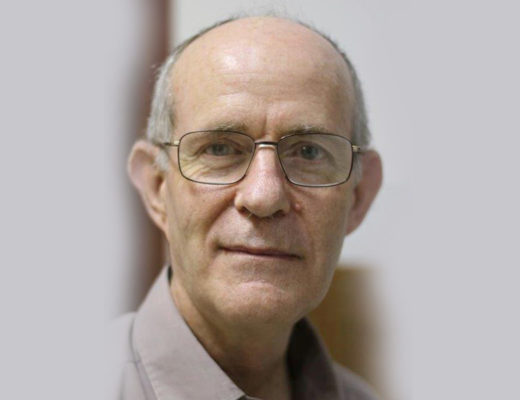
Dr David Glass graduated from UCT in 1975. He spent the next 12 years working at a mission hospital in Lesotho, where much of his work involved health education and interventions to improve health, aside from the normal busy clinical work of an under-resourced mission hospital.
He returned to UCT in 1990 to specialise in obstetrics/gynaecology and then moved to the South Coast where he had the privilege of, amongst other things, ushering 7000 babies into the world. He no longer delivers babies but is still very clinically active in gynaecology.
An old passion, preventive health care, has now replaced the obstetrics side of his work. He is eager to share insights he has gathered over the years on how to prevent and reverse so many of the modern scourges of lifestyle – obesity, diabetes, ischaemic heart disease, high blood pressure, arthritis, common cancers, etc.
He is a family man, with a supportive wife, and two grown children, and four beautiful grandchildren. His hobbies include walking, cycling, vegetable gardening, bird-watching, travelling and writing. He is active in community health outreach and deeply involved in church activities. He enjoys teaching and sharing information.
HAVE YOUR SAY
Like the South Coast Herald’s Facebook page, follow us on Twitter and Instagram
To receive our FREE email newsletter, click HERE