In our last article we discussed the risks of trimethylamine-N-oxide (TMAO) which is produced by the intestinal flora from animal products – especially red meat, eggs, dairy and salt-water fish. We discovered that TMAO is strongly connected with the development of atherosclerosis, chronic kidney disease and type 2 diabetes.
Today we will discuss another partner in crime – haem iron (or as the Americans call it – heme iron). This form of iron is exclusively found in animal products such as shellfish, red meat, organ meat, sea foods, and a lesser amount from white meat.
ALSO READ: Lifestyle Medicine: The ‘new (mean) kid’ on the block
However only 40-45% of iron in meat is haem iron. The rest is non-haem iron. Dairy and eggs only have non-haem iron, and all plants provide non-haem iron. Haem iron is three to four times more readily absorbed from the intestine than non-haem iron.
Because of this, many doctors believe that vegetarians are at higher risk of anaemia, but this is not borne out in scientific studies. In a 2003 study published in “Public Health Nutrition,” vegans had the highest intake of all nutrients, including iron.
In a review article on haem iron published in 2014 in the journal “Nutrients”, numerous risks were associated with high intake – colorectal cancer (60% increased risk), oesophageal cancer (47% increased risk), pancreatic cancer (40% increased risk), lung cancer (20% increased risk), endometrial cancer in women (20-30% increased risk); increased risk of type-2 diabetes (28% in women); coronary heart disease (86% increased risk). Of course, other factors contribute to increased risks of diseases related to ingestion of animal products, but these are the ones that seem to be directly related to haem iron.
Iron is a vital nutrient of all living things. For instance, it is combined with a protein to make haemoglobin – so important in transporting oxygen throughout the body.
It also is found in muscles in the form of myoglobin, which stores oxygen to use when exercising.
The intestines are wonderfully designed to adapt to the needs of the body for iron. But this only works for non-haem iron. Haem iron can be absorbed far too easily.
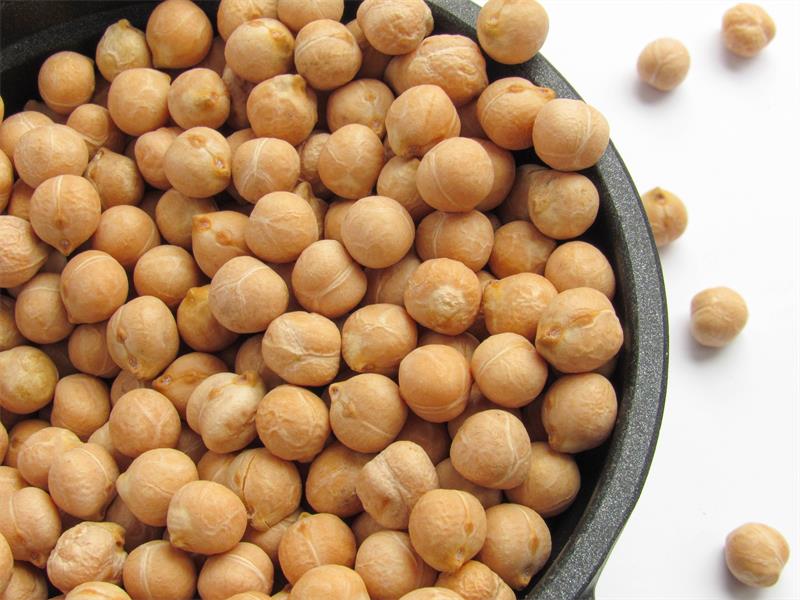
Here are some iron-rich plant foods: chickpeas, soybeans, lentils, tofu, cashew nuts, pumpkin seeds, and dark green leafy vegetables (some people say oxalates in spinach interfere with absorption, but this is controversial). Other plant sources include whole grains and dried fruits e.g., apricots and raisins.
Another way to increase absorption of iron from plant foods is by consuming sufficient vitamin C, vitamin A, beta-carotene, onions, and garlic. Nutrients that inhibit absorption of iron include phytates, found in legumes and grains, calcium, and tannins found in coffee and tea.
Once again, a plant rich diet trumps the typical animal rich fare to improve health and longevity.
Dr Dave Glass
MBChB, FCOG(SA), DipIBLM
HAVE YOUR SAY
Like the South Coast Herald’s Facebook page, follow us on Twitter and Instagram