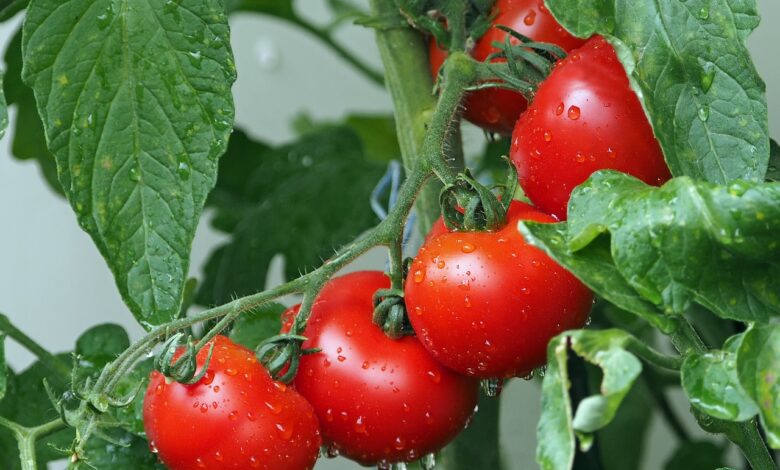
As the rainy season kicks in, it’s a great time to get into the food garden … or to start one.
New food gardens are easy to establish, especially if you have a sunny space. No-dig beds are set up on top of existing lawns/weeds and work extremely well: simply lay cardboard on top of the lawn where you’d like to grow veggies, then cover the cardboard with a generous layer of compost, dry grass and leaves. Plant your seedlings directly into the plant matter, with an extra handful of compost per seedling.
A shallow trench (20-40cm deep) around the bed and especially along the top edges of the beds on sloped sites, filled with branches, twigs and other coarse organic material, acts as a sponge and can catch and retain rain water as it flows down through the garden. Trenches should follow the natural contours of the ground.
Container gardens, vertical gardens, rooftop gardens and windowsill planting are good options for people with limited garden space.
Companion planting refers to placing plants close to others in ways that benefit both. Companion planting helps to maintain a good mineral balance in the soil, attract pollinators and repel pests. The greater the variety of plants in your garden, the likelier they are to be healthy and strong. Staggering your planting (for example, adding a few seedlings every week) will help provide a steady supply of food. Mulch protects the young plants and retains water.
It’s a good time to plant herbs such as parsley, chives, basil, mint and coriander, rocket, caraway, dill and fennel, as well as the following groups of vegetables:
· Potatoes and coriander, cucumbers, chives, cabbage, beans and marigolds. Marigolds help keep bugs away, especially cabbage moths;
· Tomatoes, basil, carrots, onions, lettuce and sunflowers;
· Maize, beans and squash (often referred to as the ‘three sisters); and
· Spinach, eggplant/ brinjals, garlic and strawberries.
Happy gardening!
HAVE YOUR SAY
Like our Facebook page, follow us on Twitter and Instagram