Our rivers are of major concern and interest to us at The Green Net. Of the 27 rivers in our district, most are dangerously close to being unusable due to high levels of pollution.
Water pollution is often thought of as just chemical runoff from heavy industries like paper making and mining or sewage leaks caused by failing infrastructure. But there is a far bigger threat to our waterways, human health and biodiversity – agriculture.
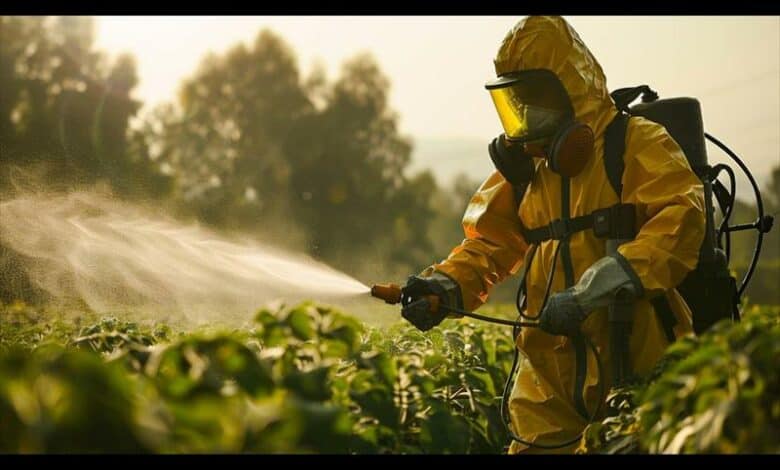
Agriculture fills much of our landscape and is the largest economic driver in the area. But archaic agricultural practices are putting our health and livelihoods in jeopardy. The indiscriminate use of inorganic fertilisers and pesticides is killing our soil, contaminating our water and making us sick. More than 66% of our diet contains some form of pesticide or harmful chemical, and we are slowly being poisoned by the very system that was created to keep us alive.
Glyphosate is a weed killer used in a wide variety of settings, including municipal weed management (such as roadsides or along railway lines) and large-scale agriculture. It is used with crops as diverse as grapes, apples, bananas, macadamia nuts and sugarcane. The three genetically modified (GM) crops commercially cultivated in South Africa – maize, cotton and soybean – are all designed to be tolerant to glyphosate.
According to UN data, imports of glyphosate in SA increased by 177% between 2006 and 2011, with overall glyphosate use rising from 12 million litres in 2006 to 20 million litres at present. Equally shocking is the fact that the official list of poisons in South Africa was last updated in the 1970s, and our regulations ignore almost 50 years’ worth of new poisons, many of which are banned in other countries.
Pesticides are linked to metabolic disorders, hormone disruption, foetal development disruption, infertility and a variety of metabolic cancers. Furthermore, these chemicals leach into our wetlands and waterways and destroy local biodiversity, affecting fish stocks, aquatic plants and other insects and animals, eventually leading to large-scale biodiversity loss.
Sustainable, biodiverse, regenerative farming is required to ensure food security and public health. If you would like to be part of the solution, don’t use toxic pesticides and herbicides. Plenty of cleaner options are available on the shelves and online, and we can all choose to invest in a cleaner, healthier future by choosing safe options now.
HAVE YOUR SAY
Like our Facebook page, follow us on Twitter and Instagram