Fisheries crime enforcement in spotlight in Scottburgh
Illegal activities place unsustainable pressure on marine resources, undermine lawful fishers, endanger enforcement officers and the public, and erode respect for the law.
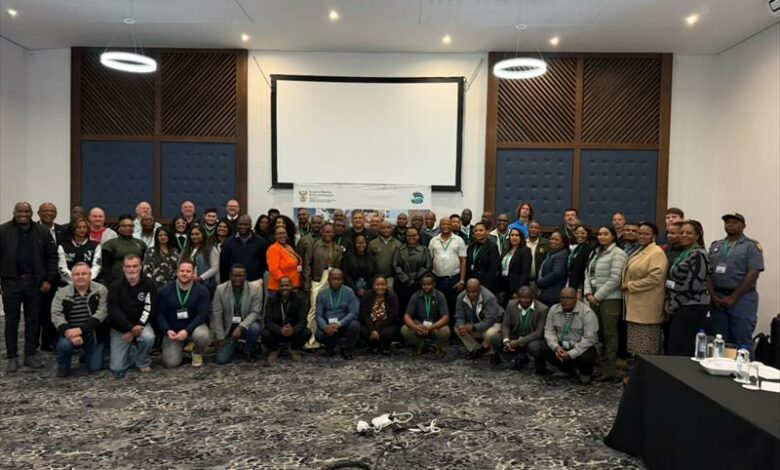
A two-day training programme on fisheries and environmental crime enforcement was held in Scottburgh last week.
Attendees included representatives of the National Prosecuting Authority; Saps; members of the Coastal Marine Task Force; officials from national, provincial and local government; as well as environmental management inspectors, fishery control officers and all enforcement practitioners.
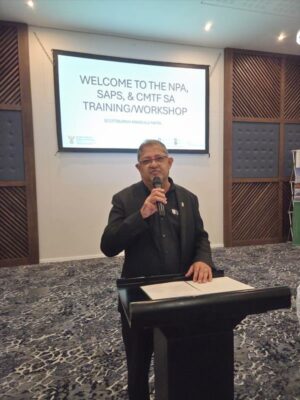
Opening the event by the Department of Forestry, Fisheries and the Environment at Premier Resort Cutty Sark, was the deputy minister, Narend Singh.
He stated that the aim of this programme was to focus on strengthening the synergy along the entire enforcement and prosecutorial chain – from initial detection and investigation, through evidence preservation and case preparation, to informed prosecutorial decisions and successful outcomes in court.
“Recent public reports have once again highlighted the persistent illegal sale of crayfish (East Coast rock lobster) along the N2 near Hibberdene. What may seem like a simple roadside transaction is often the visible end of a longer criminal chain involving unlawful harvesting, storage, transport, and sale,” he explained.
“These activities place unsustainable pressure on our marine resources, undermine lawful fishers, endanger enforcement officers and the public, and erode respect for the law.”
Aside from this being a collective duty from authorities, he also emphasised the importance of public cooperation as demand sustains illegal trade.
Singh also used this gathering to acknowledge the work of all officials who participate in joint operations.
From April to June this year, joint operations opened six case dockets under the Marine Living Resources Act, led to nine arrests, issued 22 admission of guilt fines totalling R42 000, and resulted in significant confiscations – including 352 line fish (valued at R176 000), East Coast rock lobster (valued at R31 500), and 47 illegal gillnets (valued at R21 150).
“Gillnetting continues to devastate estuaries, and complex cases involving undocumented foreign nationals add layers of difficulty,” said Singh.
“Illegal development in sensitive coastal areas such as Umgababa, forestry transgressions, and other offences all require the same integrated response across the enforcement chain.”
Over this two-day programme, attendees were able to create a shared understanding of the applicable legal frameworks; clarify respective roles and responsibilities; identify and remove bottlenecks in the enforcement/prosecutorial chain; strengthen the quality of investigations, evidence handling, charge sheets, and prosecutions.
Key areas also included the Marine Living Resources Act, illegal unreported and unregulated fishing, the Integrated Coastal Management Act, off-road vehicle controls, municipal development enforcement, forestry legislation, mining and water-use compliance, biodiversity offences, and Marine Protected Areas.
Singh also mentioned that effective enforcement protects the space for these lawful participants to succeed.
“When we fail to prosecute transgressors robustly, we undermine the very opportunities we are creating for coastal communities and future generations.”
HAVE YOUR SAY
Like the South Coast Herald’s Facebook page, follow us on Twitter and Instagram