According to TS Eliot: “April is the cruellest month …mixing memory with desire”.
Eliot was speaking of human passions in his 1922 poem, and here on the South Coast, April can bring a similar sense of mixed emotions as we ‘celebrate’ Alien Invasive Plants (AIP) awareness month. It’s not really much to celebrate; let’s face it, and dealing with AIPs comes with its own set of conflicting emotions.
On one hand, AIPs really do cause a lot of damage to our landscape, often consuming vast quantities of water, creating wildfires and establishing thorny thickets that block access to waterways and pastures. Many also kill indigenous vegetation, thereby depriving our wildlife of food and habitat. On the other hand, though, AIPs are beautiful and valuable – like all plants.
The destructive impact of AIPs on our vegetation and the animals and people who depend on it has understandably generated an aggressive response from the authorities tasked with eliminating or controlling the presence of AIPs in South Africa. The ‘enemy’ is aggressively hacked, and then given a good dose of poison to keep it in its place. Somehow, the alien plants seem indomitable, returning year after year with increased vigour.
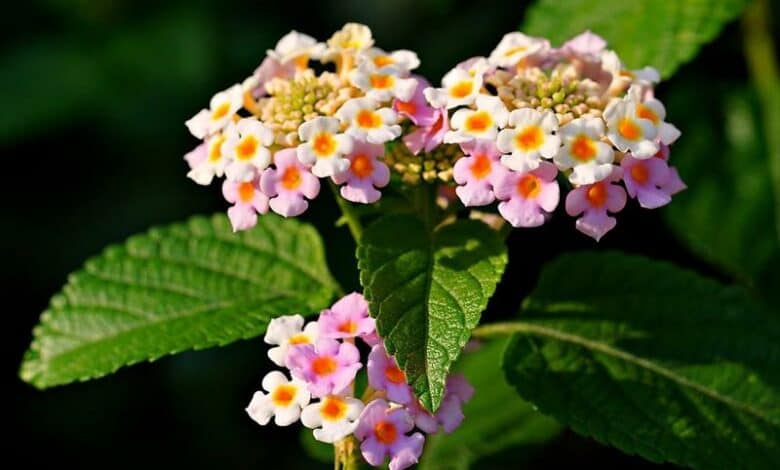
At The Green Net, we are less prone to seeing nature as evil, and we approach AIPs slightly differently. Firstly, we understand that the AIPs were originally brought here because of their aesthetic and/or medicinal and industrial value. We do chop AIPs down – and, in fact, we go a step further than the various departments and completely remove the roots – after all, what happens to the roots defines whether one is pruning a plant or removing it, but we make good use of them. We remove the AIPs completely without using any poisons at all. We create simple fences for garden paths and compost heaps from some AIP stems and branches, including lantana, montanoa (Mexican sunflower) and inkberry; syringa is turned into garden benches, trellises and borders, and all of them become compost if you let them.
A few seeds inevitably remain and grow into new babies in the next season, but they are spindly and very easily pulled out by hand. Because we replace the AIPs we remove with indigenous plants, the soil is kept intact and biodiversity increases. We have successfully removed AIPs and restored biodiversity at various sites on the coast – give it a go, it’s actually very easy!
HAVE YOUR SAY
Like the South Coast Herald’s Facebook page, follow us on Twitter and Instagram