Young mothers urged to breastfeed
The KZN Department of Health is asking breastfeeding women to also consider donating their excess breastmilk to babies who do not have access to their mother's milk.
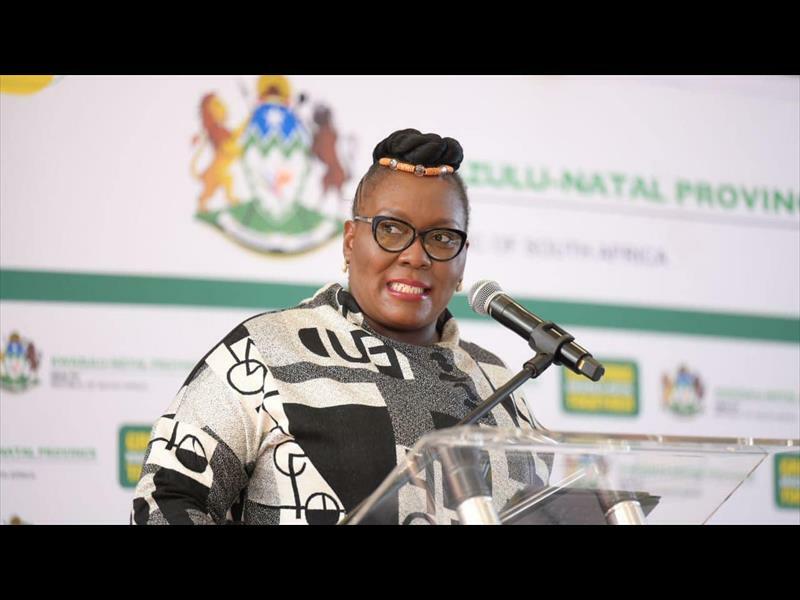
Did you know there are human milk banks at Port Shepstone Regional Hospital and Murchison Hospital?
This was revealed by KZN Health MEC Nomagugu Simelane while urging young mothers not to deprive their babies of the benefits of breastmilk out of fear that they may appear ‘unfashionable’ or ‘backward’ by breastfeeding.
Simelane was speaking as South Africa commemorated World Breastfeeding Week (August 1 to 7).
The MEC called on mothers to embrace breastfeeding as an essential gift that will give their babies the best possible start in life.
She said babies who are breastfed exclusively for the first six months (without being given water, formula, or other milk and foods) would reap numerous health benefits, including a stronger immune system and a much lower risk of various diseases, such as severe lower respiratory disease (chest infections/pneumonia), diarrhoea, asthma, obesity, or type one diabetes.
“Breastmilk contains all the nutrients that a baby needs. When babies are exclusively breastfed, they receive antibodies from their mother that can help their immunity against many childhood ailments, compared to those who are not breastfed. We know that sometimes breastfeeding may appear as something that is not ‘stylish’ or ‘fashionable’. Some might even see it as a ‘backward’ practise [and decide not to breastfeed and use baby formula],” she said.
Also, Simelane encouraged breastfeeding mothers who have excess breastmilk to donate it, which can help vulnerable pre-term and sick babies, as well as mothers who are unable to supply sufficient milk for their babies admitted to the hospital.
“Many of our hospitals have human milk banks, which screen, collect, process, and distribute breastmilk. We are pleading with those who are breastfeeding to consider donating their excess breastmilk so that they can help those babies who do not have access to their mother’s milk. This way, they can touch the lives of those less fortunate and give them the precious gift of good health, a gift of life,” she said.
She said breastfeeding women who can donate breastmilk must be non-smokers, non-drug and alcohol users, living a healthy lifestyle, and willing to undergo screening procedures that include, among others, HIV testing, Syphilis, TB and Hepatitis B.
“All donated breastmilk is tested, pasteurised, frozen and then supplied to vulnerable babies in need,” she said.
HAVE YOUR SAY
Like the South Coast Fever’s Facebook page