South Africa’s drowning epidemic: How to prevent fatal water accidents
It's vital to understand the risks - and to take preventative action in order to save lives.
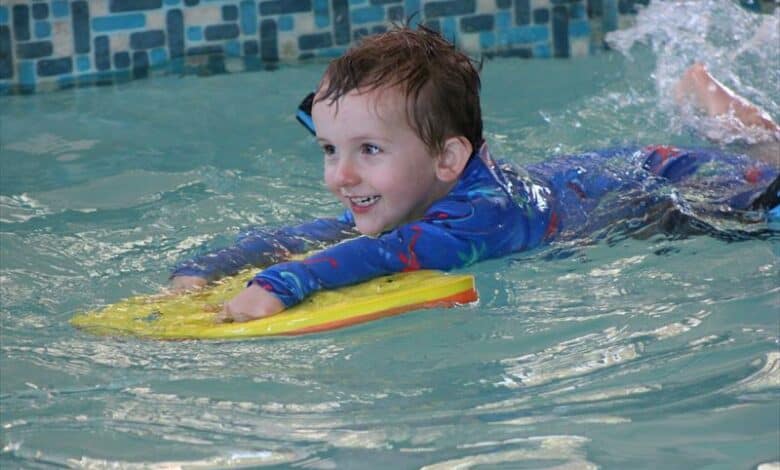
Drowning remains a leading cause of injury and death in South Africa, particularly among children under the age of five. With an average of 1 477 fatal drownings per year, it’s crucial to address this silent epidemic.
“Drowning prevention requires a collective effort,” says swimming coach Ed Holden-Smith.
“By understanding the risks and implementing effective strategies, we can reduce the number of fatal drownings in South Africa. Let’s work together to keep our communities safe and ensure a future where every individual can enjoy water without fear.”
This article explores the facts, risks, and prevention strategies to keep people, especially children, safe around water.
STATS
* 1 477 fatal drownings per year in South Africa
* Drowning rate: 2.54 per 100 000 people
* 30% of fatal drownings are children under 18
* 50% of fatal drownings are children aged under four years
* KwaZulu-Natal is the epicentre of drowning cases
* Males are more likely to drown than females
Common causes of drowning include weak (or nonexistent) swimming skills, lack of separation barriers, swimming in unsupervised areas, failure to wear a personal flotation device (life jacket), and unrecognised drowning victims.
There are strategies to prevent drowning from happening.
Education and awareness should include public awareness campaigns, teaching children basic water survival skills, and promoting water safety.
In terms of supervision, there should always be active supervision, barriers installed, and the presence of a sober adult.
Community efforts should comprise collaborative initiatives for safe swimming spaces, swimming lessons, and water safety workshops.
Swimming coach Ed Holden-Smith emphasises: “Only swim where it’s safe, don’t swim alone, adult supervision is mandatory, and sober adult supervision is a no-brainer.”
He said that as the festive season approaches, water safety is prioritised.
This includes teaching children basic water survival skills, ensuring active supervision, installing barriers, avoiding drinking alcohol before swimming, and knowing emergency numbers.
Sources: NSRI, ChildSafe, A South African Epidemiological Study of Fatal Drowning by UCT 16 Nov 2022.
HAVE YOUR SAY
Like the South Coast Fever’s Facebook page