Hospital targets eye health care
Factors that increase the risk of developing glaucoma include age (those over 40 are at higher risk), ethnic background (African, Asian, or Hispanic descent) and more.
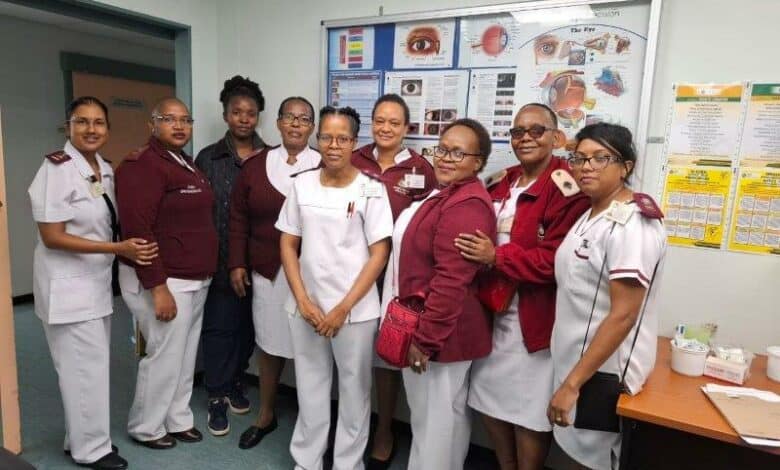
The Port Shepstone Regional Hospital is on a mission to raise awareness on the ‘silent thief of sight’ – glaucoma.
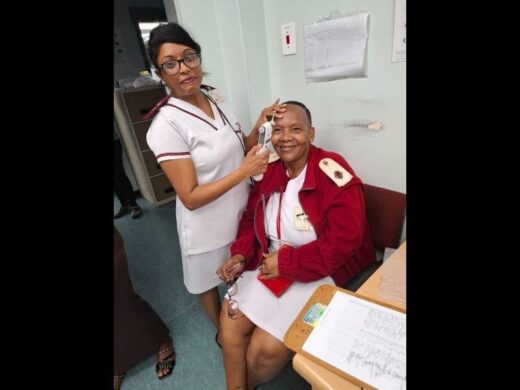
World Glaucoma Week ran from March 9 to 15, and the hospital embarked on an eye health screening campaign for its staff, which included quick, advanced, and non-invasive tests.
Some 107 staff members participated, with seven cases of abnormalities identified and referred for further examination by optometrist Babalwa Dabulwa.
Phumza Morai, the hospital’s PRO, described glaucoma as a group of eye diseases that causes damage to the optic nerve, which is essential for vision.
She explained that glaucoma can develop slowly without noticeable symptoms, making early detection critical.
“It is often referred to as the ‘silent thief of sight’ and is a leading cause of vision loss worldwide. The most common form is open-angle glaucoma, where the fluid pressure inside the eye damages the optic nerve over time,” she said.
She added that this made regular eye exams even more important, especially for those at higher risk.
“Factors that increase the risk of developing glaucoma include age (those over 40 are at higher risk), family history of glaucoma, ethnic background (African, Asian, or Hispanic descent), diabetes or high blood pressure, and high intraocular pressure,” said Morai.
She added that if you fall into one of these high-risk categories, you should schedule regular eye exams with an eye care professional.
“Early detection and treatment are key to preserving sight and preventing blindness. While glaucoma cannot be cured, it is entirely treatable if caught early. Regular eye exams and following your eye care provider’s treatment plan are the best ways to ensure your vision stays healthy,” she said.
Meanwhile, occupational health clinic professional nurse Nishanee Ramlall and operational manager for the eye clinic, sister Nandashnee Ramdutt, emphasised the value of early detection to prevent long-term effects of the condition.
HAVE YOUR SAY
Like the South Coast Fever’s Facebook page