Kitted out for tennis … a look at how trends and fashions have changed over the years
Dress code at Wimbledon's famed courts have always been of keen interest to players and fans alike.
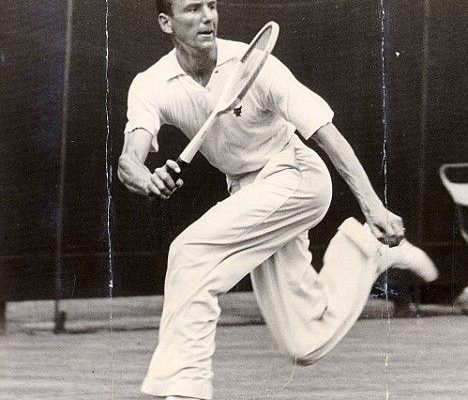
IN the early part of the last century, male tennis players dressed in white flannel trousers, white shirts sometimes adding V-neck or cable sweaters, were virtually indistinguishable from test cricketers.
ALSO READ: Wimbledon memories – Cash or Czech
Fortunately for the growing number of women players, by the 1920s tennis attire adopted a more ‘sporting’ style with looser outfits and as hemlines crept higher to reach knee length, bare legs , for the first time, were on show.
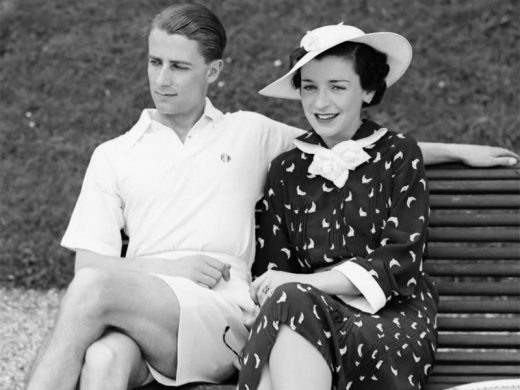
As far as the men were concerned, the majority still opted for ‘longs’ and would continue to do so until the late 1940s but a major revolution in men’s fashions took place in 1932 when English tennis player, Henry ‘Bunny’ Austin was the first to wear shorts at Wimbledon.
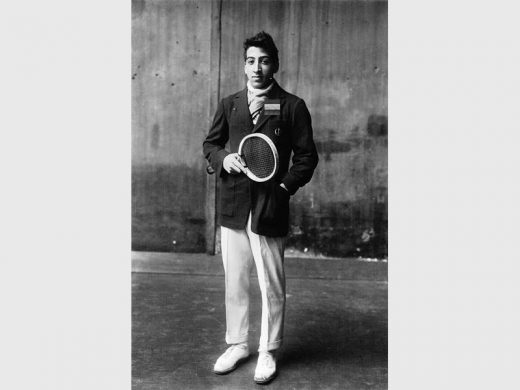
And while Aertex, developed in the late 19thcentury by two British doctors, mainly for underwear, was a popular shirt fabric from the 1920s, in 1933, French tennis champion, Rene Lacoste, invented the first cotton polo shirt. Made of an entirely new fabric, called, petit pique, it was resilient yet light and airy, providing players with greater freedom of movement.
A marketing genius some might say, Lacoste, whose nickname was ‘the crocodile’ made this his logo which fashion historians go so far to say was the first to ever appear on a fashion product.
British player and former Wimbledon champion, Fred Perry who went on to develop a leading line of men’s sportswear from the 1950s focusing on the traditional tailored shorts and short-sleeved shirts for men created another iconic logo – the laurel wreath, based on the original Wimbledon symbol.
His first venture into the world of tennis and sport apparel however was neither shorts or shirts, was the sweatband, originally invented by ex-Austrian footballer, Tibby Wegner.
At Wimbledon 1949, American doubles-player, Gertrude ‘Gussie’ Moran, stunned the staid world of tennis when she wore a short skirt that ‘revealed’ a pair of lace knickers causing the All England Club to voice its concern about the effect on the royal family.
Creator of the ‘gorgeous gussies’ as they became known, Cuthbert Collingwood ‘Ted’ Tinling Ted Tinling tennis player, spy, author, fashion designer and darling of London society went on to change the way women dressed on the court for close to three decades designing dresses for almost all of the great female players throughout the 1950s, 1960s and 1970s.
Ted Tinling’s dresses were worn by no less than twelve occasions by Wimbledon women champions. The last champion to wear a Tinling creation was Martina Navratilova in 1979 when she wore his designs to triumph in both the singles and doubles events.
Although he only ever designed dresses for Chris Evert’s Federation and Wightman Cup appearances, he designed her wedding dress when she married John Lloyd in 1979.
After the war, celebrity American movie stars played a significant role in popularising shorts in women’s fashions. Not everyone who admired these carefully posed publicity shots were long-legged, tanned, beautiful women, but shorts became the new ‘must have’ for the fashion conscious leisure seekers.
Shorts have never been taboo at Wimbledon and women are definitely not forced to wear skirts or dresses, but most do, because they add a feminine touch.
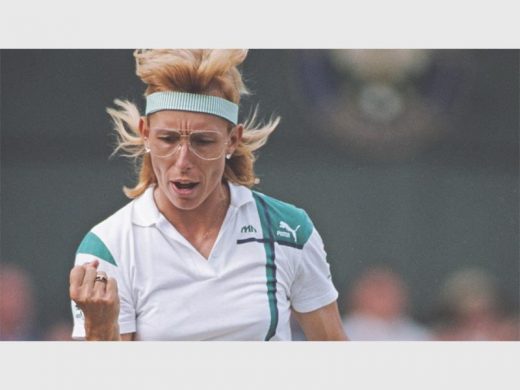
The fifties and sixties was definitely the era of femininity in women’s tennis designs often featuring texturised appliques along with lace overlays, a style, Venus Williams ‘borrowed’ for her outfit in the 2012 French Open.
Pretty ‘frilly’ under-pants (thanks to Gussie Moran) continued to be popular and long knee length white socks were the rage for a season or two.
While shorts lengths varied through the years, not much changed in men’s on-court apparel until the late 1970s when shorts not just became tight fitting and very short but coloured shirts, at first soft pastels was changing the traditional all-white look of tennis.
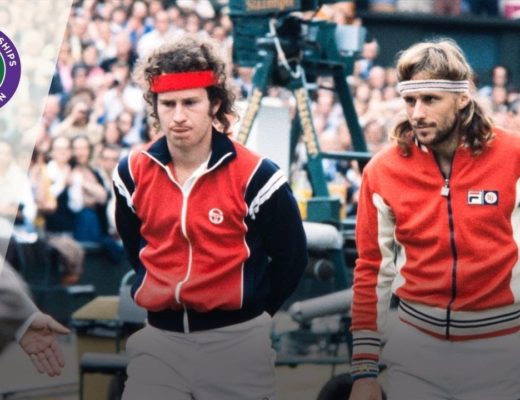
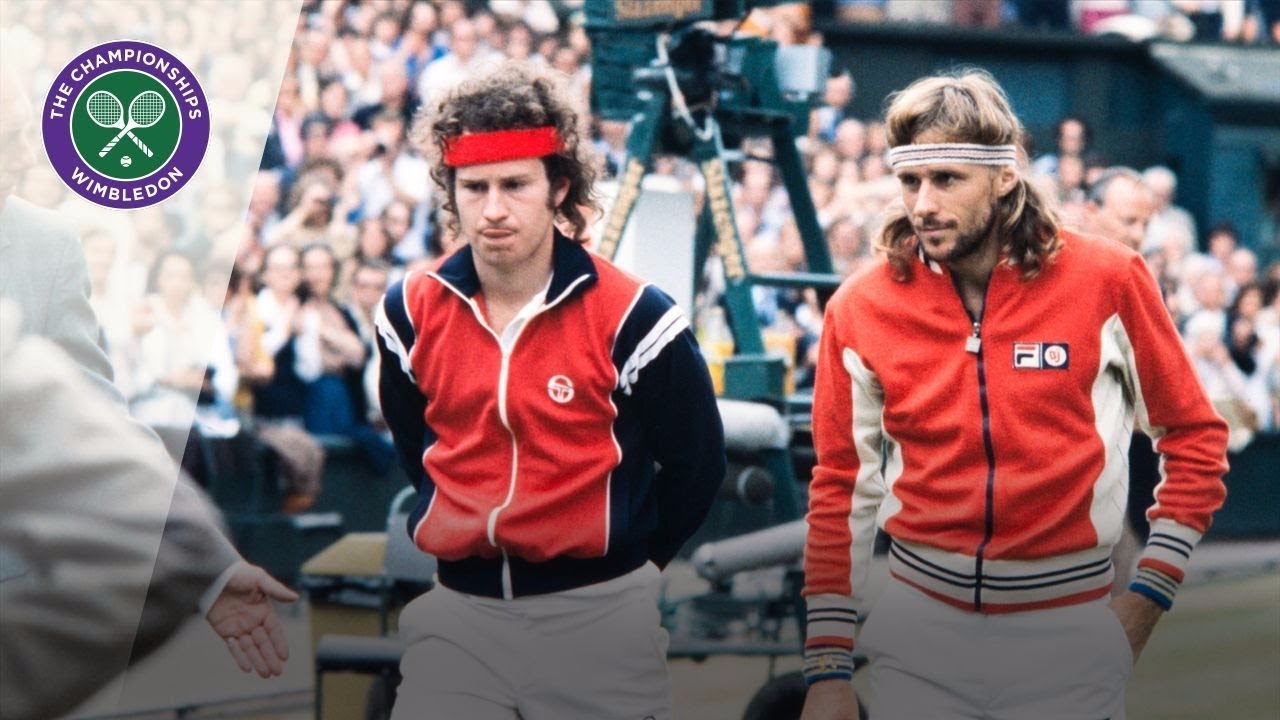
With men favouring longer length hair McEnroe, Borg and Cash were among the many who contributed to tennis fashions during this decade by opting for brightly coloured (functional) headbands or more accurately, hair-bands.
The 1980s was a decade of traditional styling for both men and women, with close-fitting short shorts being worn by men and wraparound skirts popular for female players. An exception was American player Anne White who, in 1985, caused a sensation at Wimbledon by wearing a white catsuit or ‘unitard’. For the record, after officials reportedly requested that she dress more traditionally the next day, Anne White obliged.
Anne White’s outfit was not a fashion that caught on but it might well have given Serena Williams an idea for her black ‘seal’ outfit at this year’s French Open.
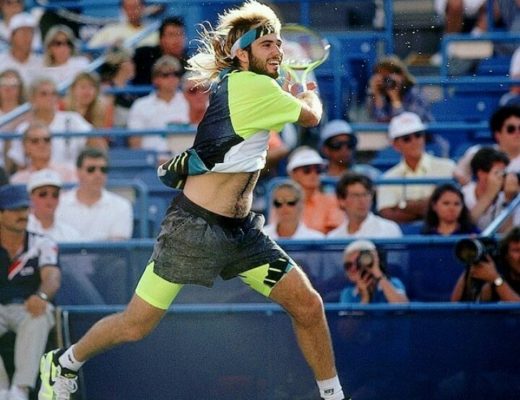
By the 1990s men’s tennis shorts became longer and looser and shirts, baggier. Of course there was one notable exception – all-time great, Andre Agassi. Sporting his early long flowing locks, Agassi was, without a doubt, the on-court trail blazer of the decade setting a new fashion by appearing in florescent Lycra cycling pants underneath his shorts – a trend that continues today. Fortunately his fashion statement of paring denim shorts with flamboyant underneath Lycra cycling tights was a short-lived fad.
He was an amazing player but it is hard to believe that anyone, especially ranked number one in the world as he was, refusing to play at Wimbledon not once, but for two consecutive years because he didn’t approve of its all-white dress code.
For women, however the introduction of Lycra into tennis wear and the new body-clinging style outfits often drew the focus away from their playing skills. Spectators were somewhat subdued by what they saw but court-side cameras never stopped clicking.
Crashing onto the scene back in 2005 was Rafael Nadal bringing with him his personal brand of short-sleeve ‘vest’ t-shirts, pirate-esque shorts and bandanas, not forgetting his excessive grunts, incessant pre serve ball-bouncing nor his ridiculous feats of court ability.

When it comes to outlandish tennis outfits the Williams sisters take some beating. Some years back, Venus’s corset-style number at the French Open turned heads but not quite as much as the skin coloured shorts underneath which made spectators wonder if she was actually wearing underwear. Sister Serena is also known for her outrageous athletic fashion choices, often showcasing outfits from her own clothing lines.
Many times seeing the Williams sisters it is hard to believe they have the game of tennis in mind when they head out to play.
Fashions come and go. For the time however, Wimbledon continues, almost against all odds, to remain its sedate, traditional self with players adhering to its dress code of all-white or at least all-white but, for how much longer?
In stark contrast, the French Open it is the spectators who bring elegance to the courts of Roland Garros as often the players invariable looked kitted out and ready for Rio’s Carnival.
HAVE YOUR SAY
Like our Facebook page, follow us on Twitter and Instagram
For news straight to your phone, add us on BBM 58F3D7A7 or WhatsApp 082 421 6033