It’s wet, wet, wet – and it’s good
World Wetlands Day, February 2, reminds us just how our ‘swampy bits’ are a vital element in our lives.
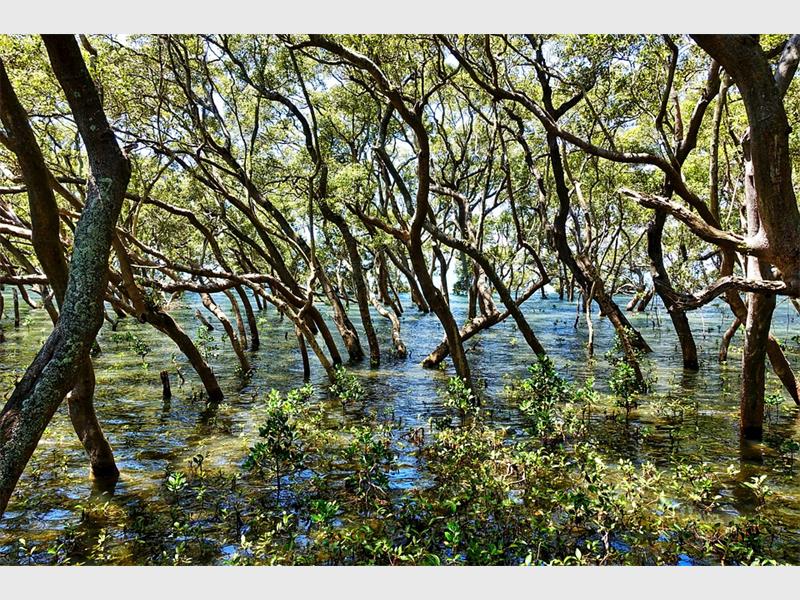
DEFINED as land areas that are flooded with water, either seasonally or permanently, wetlands are a natural buffer against disasters. Along the coastline, wetlands act as a natural protection against tidal surges resulting from such phenomena as earthquakes and violent weather conditions. It is estimated that the existence of wetlands in the path of Hurricane Sandy saved more than $625-million in damage on the US eastern seaboard in 2012.
Inland, wetlands act as a natural sponge, absorbing and storing excess rainfall and reducing flooding. During the dry season, they release the stored water, delaying the onset of droughts and reducing water shortages. When well managed, wetlands can make communities resilient enough to prepare for, cope with and bounce back from disasters even stronger than before.
A United Nations Environment Programme report points out that, although we tend to think of floods, droughts, tsunamis, cyclones, hurricanes, earthquakes and other extreme events as disasters, they are actually natural hazards. It suggests: “To minimise impact ahead of time, we can designate flood- and storm-prone areas as protected wetlands to strengthen nature’s own buffer. When an extreme event hits, healthy wetlands can absorb some of the shock, cushioning the damage in local communities. Wetlands can also speed up the recovery and help to ‘build back better’ after a disaster, acting as natural water filters and nutrient restorers.”
Unfortunately, worldwide, wetlands are in alarming retreat; more than 60 percent of them have disappeared since 1900. Mismanagement of wetlands, such as canalising rivers, clearing mangroves, mining coral reefs and draining or filling in wetlands, makes matters even worse. While much of what needs to be done to improve the situation can be handled only at government level, the website www.worldwetlandsday.org has some suggestions as to what communities and individuals can do to help safeguard and restore our wetlands:
• Find out how the wetlands in your area are being used or overused – and who depends on them. How do wetlands protect your area during extreme events?
• Adopt practices that ensure long-term sustainability of the local wetlands for everyone. Measures might include controlling illegal fishing and dumping,
no-take rules, set catch limits and regulate the type of activities by season.
• Clear rubbish from wetlands and unblock streams and rivers.
• Organise or join a wetland clean-up.
• Become a Wetland Ambassador – advocate for wetlands.
• Use water more sparingly and avoid toxic products that drain into wetlands.
• Participate in actions to conserve and restore wetlands.
(Information from worldwetlandsday.org and United Nations Environment Programme)