June 6: On This Day in World History … briefly
Interesting historic snippets and facts taken from the book ‘On This Day’ first published in 1992 by Octopus Publishing Group Ltd, London.
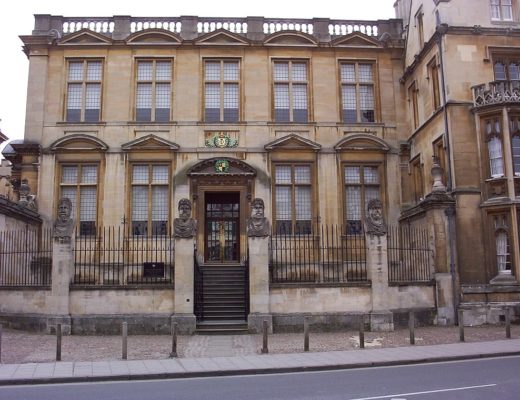
1683: In Oxford, Elias Ashmole opens the first public museum – the Ashmolean.
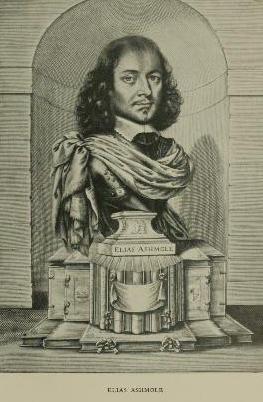
Elias Ashmole by William Faithorne 1656 – Wikipedia
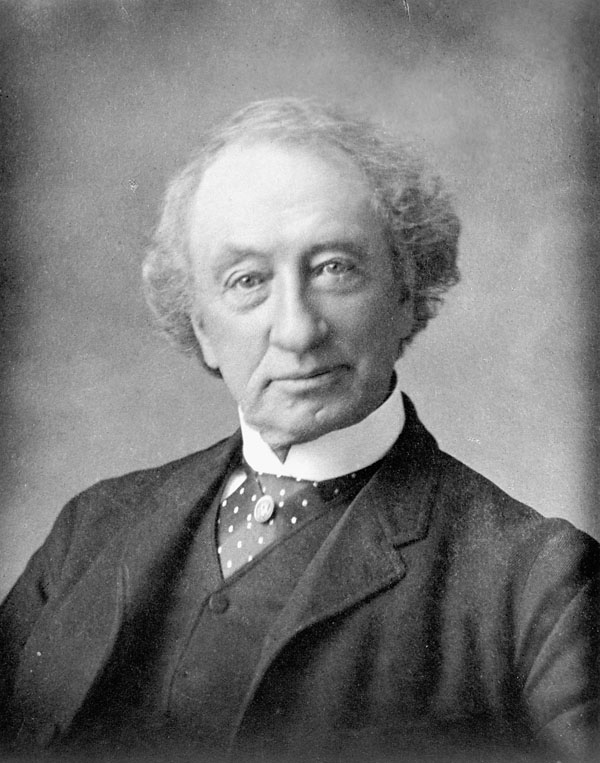
1891: Death of Sir John Alexander Macdonald, first prime minister of Canada.
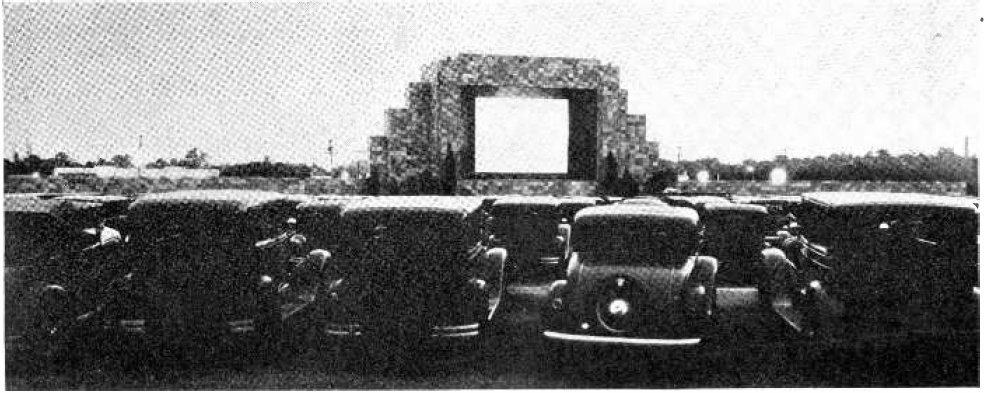
1933: The first drive-in movie opens at Camden, New Jersey.
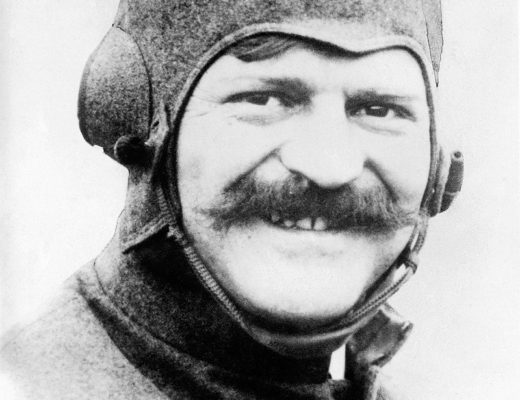
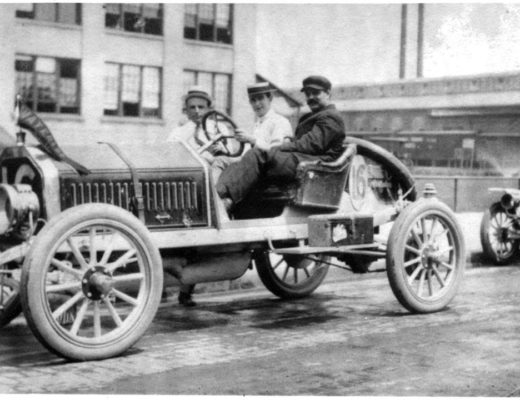
1941: Death of Louis Chevrolet, American car designer.
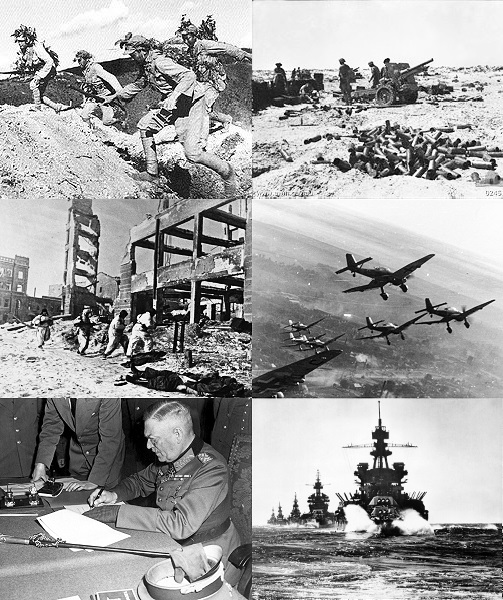
1944: As morning dawned over France, five desolate beaches on the northern French coast – code-named Utah, Omaha, Gold, Juno and Sword – became the scene of the largest military invasion in the world’s history. Under the supreme command of US General Dwight D Eisenhower, around one million men, in 4 000 ships, disembarked to begin their assault on Rommel’s ‘Atlantic Wall’ and to battle their way into France. The combined Allied troops, including French, Canadians, British and Americans, were spearheaded by units of the US 82nd and 101st Airborne Divisions who landed near the town of Saint Mère-Eglise, British commandos were meanwhile taking key bridges and knocking out Nazi communications. Plans for the Normandy Invasion, also known as Operation Overlord, have been underway since the beginning of the year, but were threatened by the worst Channel weather in 25 years. Taking advantage of a break in the weather, Eisenhower ordered the fleet to set sail. Four of the beaches surrendered early, but Omaha proved more of a problem. The final campaign to defeat Germany had begun.
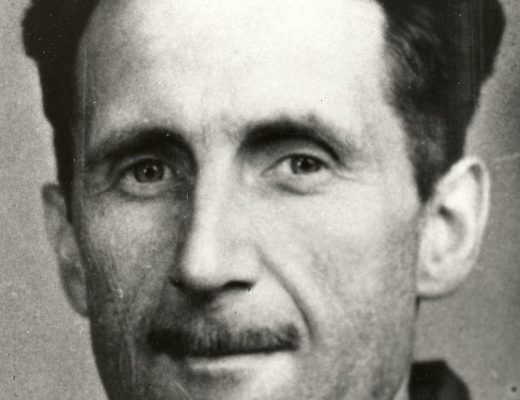
1949: In his novel ‘Nineteen Eighty Four’, George Orwell (born Eric Arthur Blair) painted a grim picture of the dangers awaiting society if it allows politicians excessive power. In Orwell’s view, this would lead to the establishment of a totalitarian state, in which citizens have little say and government has a stranglehold on the spread of information, systematically distorting truth to suit its own ends. The argument is one which the author brooded on for some years and picked up the theme in his 1945 bestseller ‘Animal Farm’, which centred on the corrupting effects of political power. Although suffering from tuberculosis, Orwell was determined to complete the book and wrote the last pages in a remote house in the Hebrides, in between periods of hospitalisation.
1956: Death of American archaeologist Hiram Bingham, who located the lost Inca city of Machu Picchu in Peru.
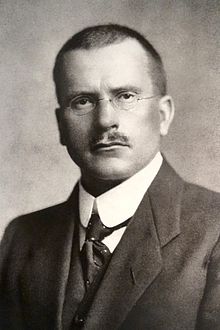
1961: Carl Gustav Jung, the founder of analytical psychology dies in Switzerland at the age of 85. Jung’s contributions to the study of the psyche included his division of personality types into introverted and extroverted, his ideas on the four functions of the mind – thinking, feeling, sensation and intuition – and his belief in a ‘collective unconscious’ linking all mankind. A highly original thinker who loved the simple life, Jung spent his last years with his wife Emma in the house they had built by the shores of Lake Zurich.
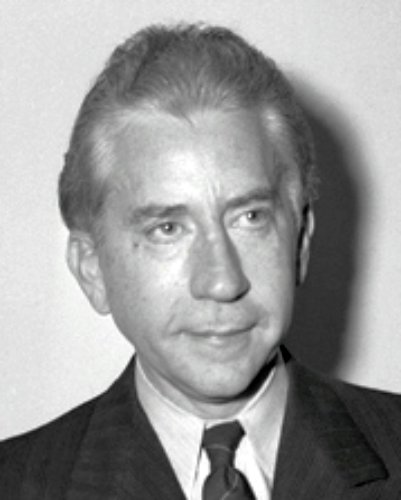
1976: American oil billionaire Paul Getty, who made his first million by the time he was 22, dies in England aged 83.
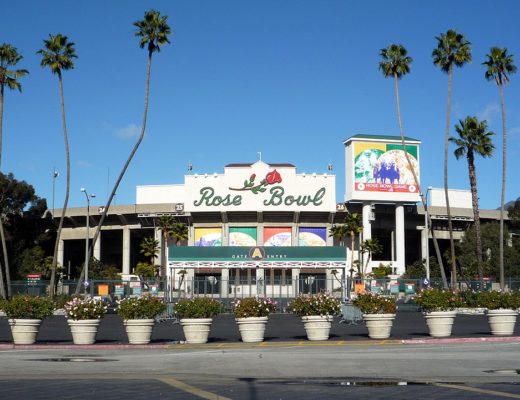
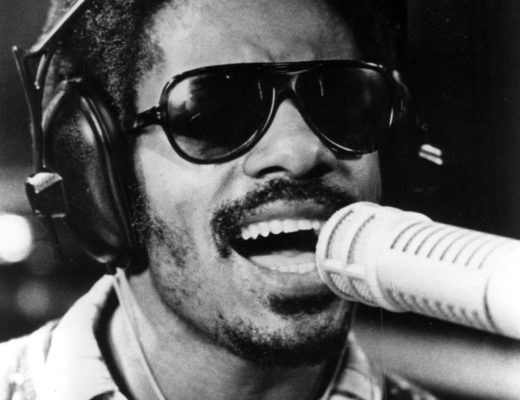
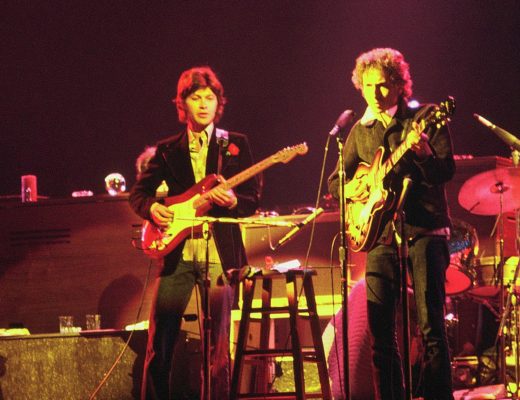
1982: Stars such as Stevie Wonder, Jackson Browne, Bob Dylan and Linda Ronstadt appear at an anti-nuclear rally at the Rose Bowl in Pasadena, California.

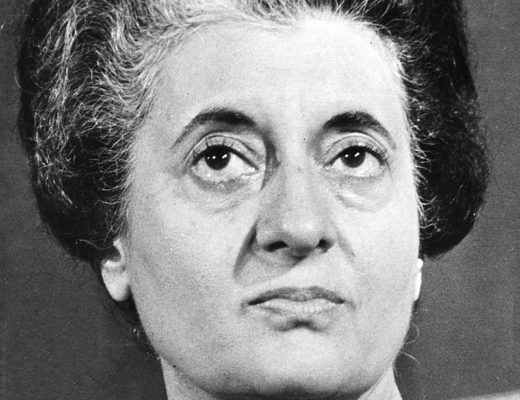
1984: At the order of Prime Minister Indira Gandhi, Indian troops storm the Golden Temple in the Holy City of Amritsar to arrest Sikh militants who took refuge there. 712 Sikhs and 90 soldiers were killed.
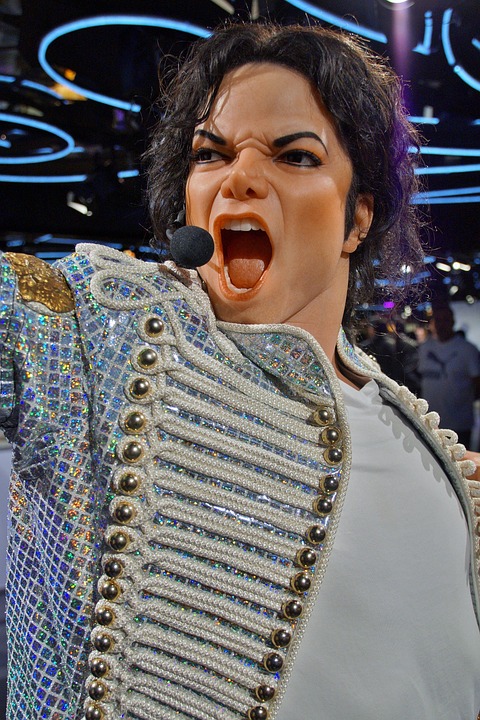
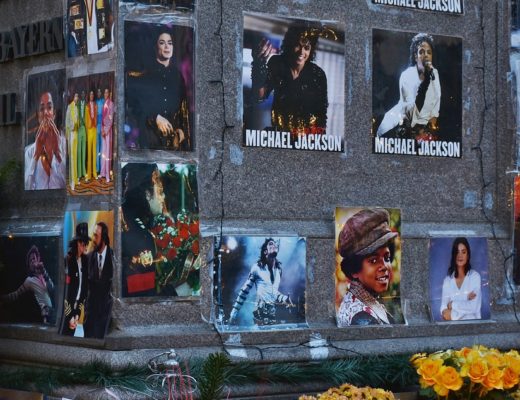
1987: Pop star Michael Jackson ends his long-term support for the Jehovah Witnesses.
1988: In New York, David Stern becomes the world’s biggest bubble-blower by blowing a bubble measuring a record 50ft (15.24m) in length.

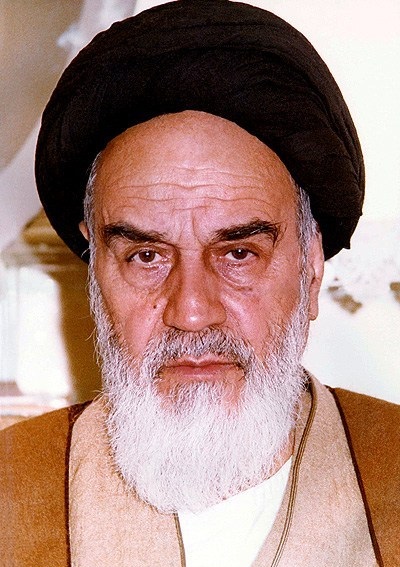
1989: There were scenes of hysteria at the funeral of Ayatollah Khomeini in Tehran. As the open coffin of the 87-year old Iranian leader was borne over the heads of the crowd on its way to its resting place on the outskirts of the city, grief-stricken mourners clutched frantically at the body, unwrapping it and tearing up the shroud. The funeral ended a decade which, under the Ayatollah, saw the revival of militant Islamic fundamentalism, of terrorism and war and of hostility to the West. This came to a head nine months after Khomeini’s rise to power with the seizure of Tehran of 52 US embassy staff: the Americans were kept hostage for 444 days. Then the Iran-Iraq war intensified into a full-scale conflict in 1982. Despite repeated Iraqi bids for a ceasefire, fighting did not cease until August 1988.
HAVE YOUR SAY
Like our Facebook page, follow us on Twitter and Instagram
For news straight to your phone, add us on WhatsApp 082 421 6033