June 9: On This Day in World History … briefly
Interesting historic snippets and facts taken from the book ‘On This Day’ first published in 1992 by Octopus Publishing Group Ltd, London.
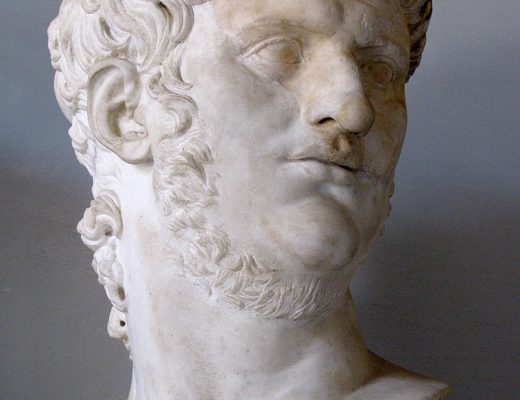
AD 68 Reports from Rome claim that Emperor Nero has taken his own life. He is said to have stabbed himself in the throat with a dagger. The suicide occurred after Nero returned from Greece to find that he had been deserted by his Praetorian Guard. Resentment against the Emperor had been brewing throughout the Empire and there were revolts in Africa, Spain and Gaul. High levels of taxation to fund the Emperor’s excess had been one cause of hostility, as was his total lack of interest in the government. Leaving affairs of state to his advisers, Burrus and Seneca, Nero preferred to think of himself as a creative artist: ‘I have only to appear and sing to have peace once more in Gaul.’ he boasted.
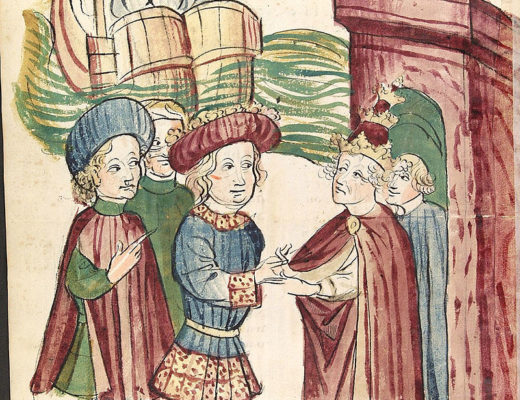
1198: Otto of Brunswick is crowned German king and Holy Roman Emperor Otto IV.
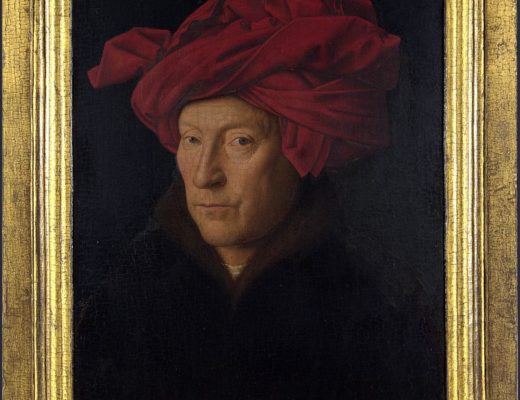
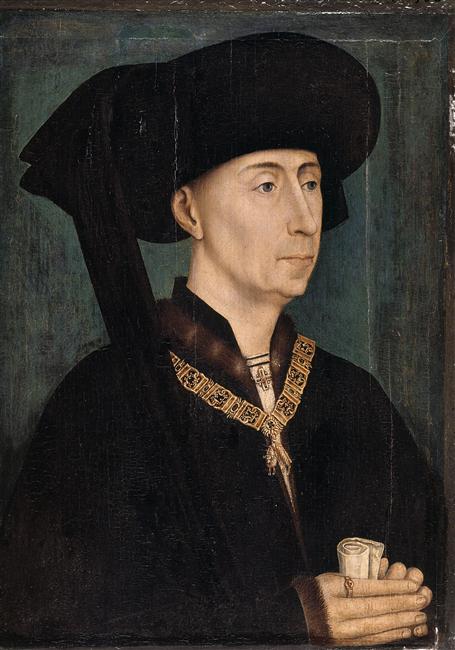
1441: Death of Netherlandish painter Jan van Eyck, court painter and equerry to Phillip the Good, Duke of Burgundy.
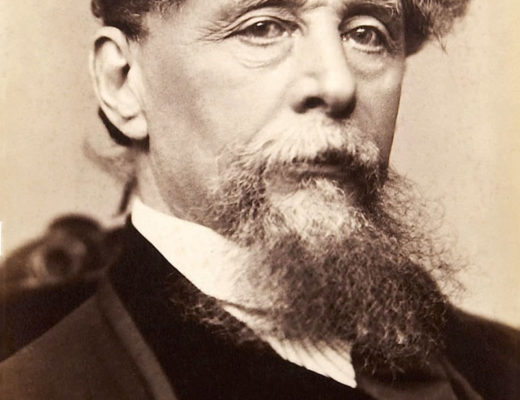
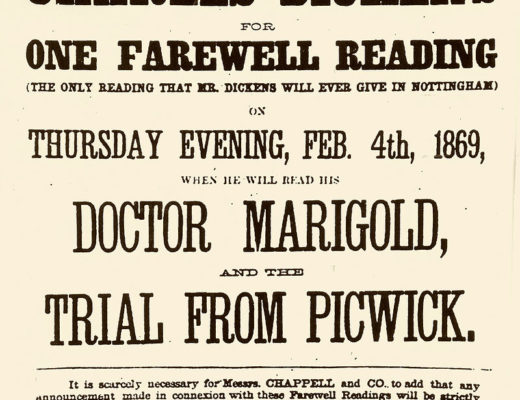
1870: Britain is in mourning after the death of the nation’s best-loved author Charles Dickens, who died of a stroke at home. He was engaged in his latest novel ‘The Mystery of Edwin Drood’, which remains half-finished. The punishing schedule of Dickens’ last few years affected his health badly and is largely to blame for his sudden death. While continuing to write, he also made a series of tours of England and the United States in which he gave readings from his own works to enraptured audiences. Dickens’ professional success was partly marred by personal unhappiness – he and his wife separated in 1859 and his sons failed to live up to his expectations. He died at Gad’s Hill Place in Kent, the house he had loved from boyhood and finally owned.
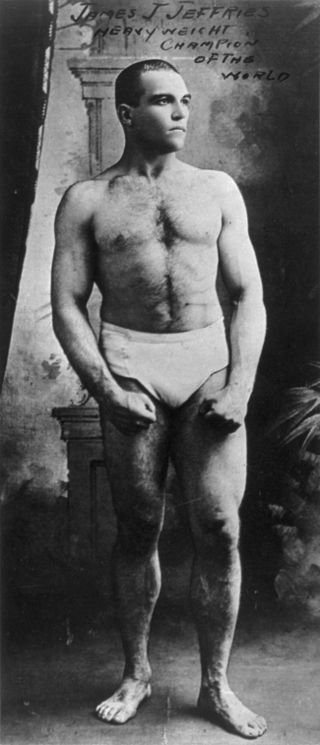
1899: US heavyweight boxing champion James Jackson Jeffries knocks out Britain’s Bob Fitzsimmons in the eleventh round to become world champion.
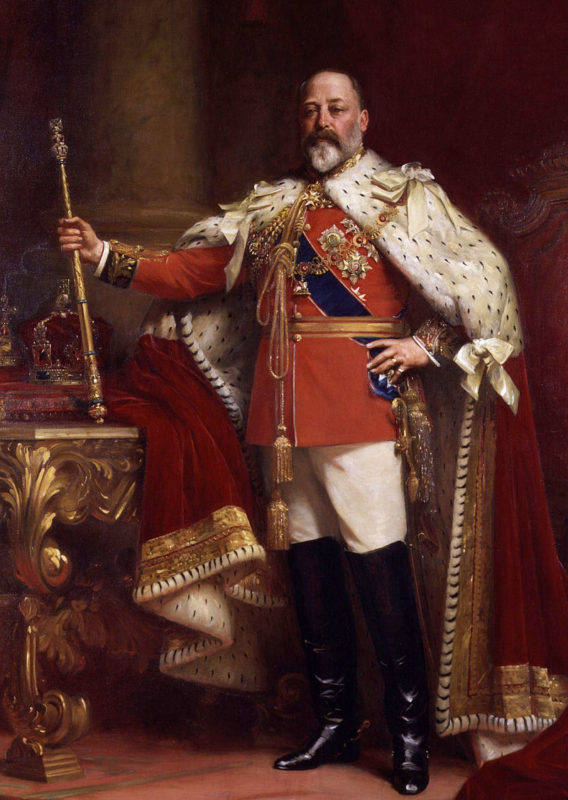
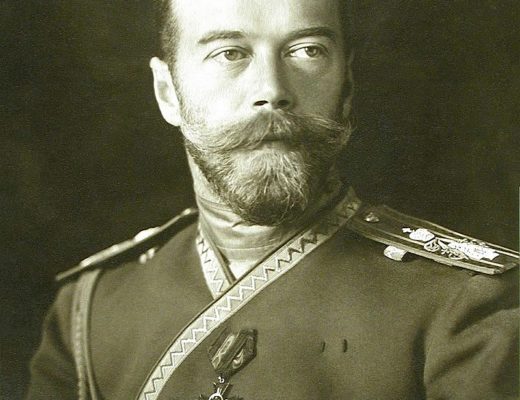
1908: King Edward VII of England visits Tsar Nicholas II on board the royal yacht in the Baltic Sea, the first meeting between a British monarch and a Russian tsar.
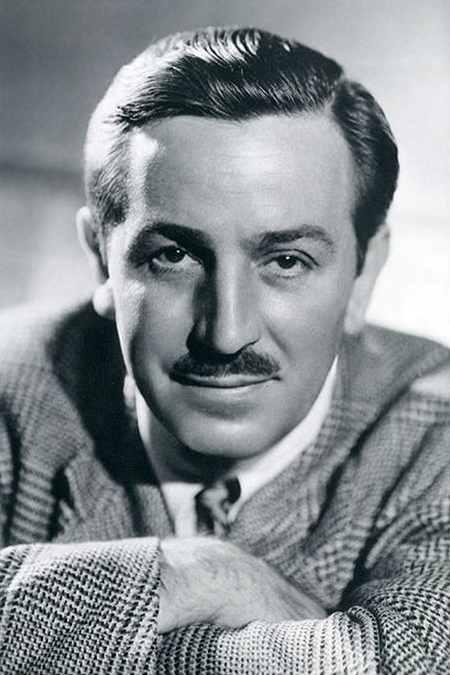
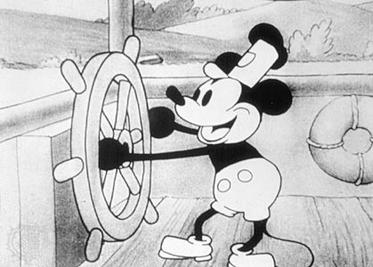
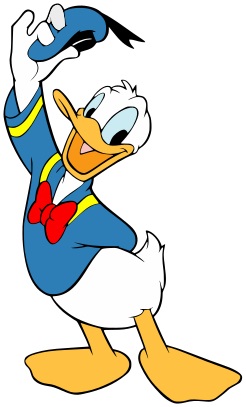
1934: Mickey Mouse, the first character created by American cartoon king Walt Disney at last got some competition. Making his debut in ‘The Wise Little Hen’, Donald Duck was Disney’s latest creation. Like Mickey, Donald had the gift of speech, but his voice was contrastingly strange and ‘quacky’. Audiences had to keep a keen ear open if they wanted to understand just what Donald was saying.
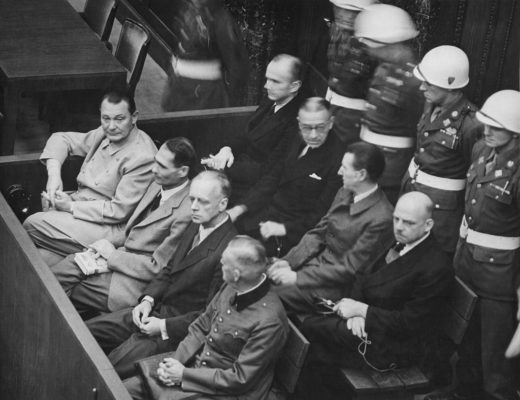
1951: The judgement of the Nuremberg court was fulfilled as the noose slipped over the head of the last Nazi condemned to hang for ‘crimes against humanity’. The trials, which took place between November 1945 and October 1946 were conducted by four judges and four prosecutors from the United States, United Kingdom, USSR and France. In all, 24 of Hitler’s top men were accused on a number of different counts, including conspiracy to wage wars of aggression, killing of hostages and crimes against peace. Twelve men, including leading Nazis Goering and Ribbentrop, were given the death penalty – a fate Goering only escaped by killing himself.
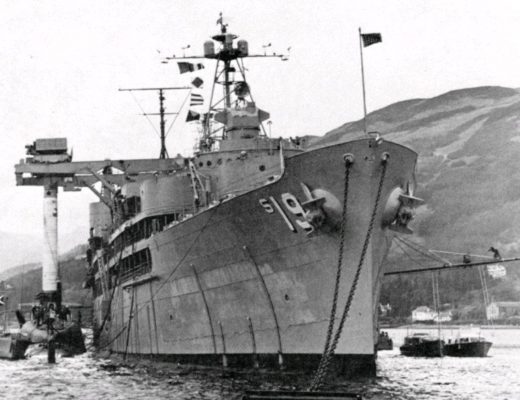
1959: America launches the George Washington, the first nuclear submarine with Polaris missiles.
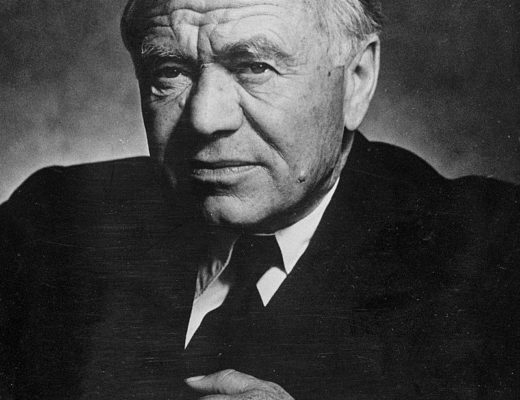
1964: Death of newspaper baron Lord Beaverbrook.
1988: Two days of tabloid reports over sexual frolics during the first test match in Nottingham led to the sacking of England cricket captain Mike Gatting. Gatting denied the stories and threatened legal action. Although they accepted the denials, the board of selectors felt that Gatting behaved ‘irresponsibly’ when he invited a hotel barmaid to his room for a drink and that the affair tarnished the image of the game. Four other players from the team were also called to account over the allegations. Gatting, who led the successful Australian tour in 1987 asked not to be considered for the next test.
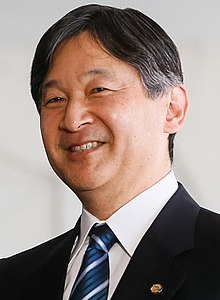
1993: Crown Prince Naruhito of Japan celebrated his marriage in a splendid Shinto ceremony at the Imperial Palace in Tokyo. The bride was Masako Owada, a former diplomat. The couple married amid mounting political tension.
HAVE YOUR SAY
Like our Facebook page, follow us on Twitter and Instagram
For news straight to your phone, add us on BBM 58F3D7A7 or WhatsApp 082 421 6033