June 12: On This Day in World History … briefly
Interesting historic snippets and facts taken from the book ‘On This Day’ first published in 1992 by Octopus Publishing Group Ltd, London.
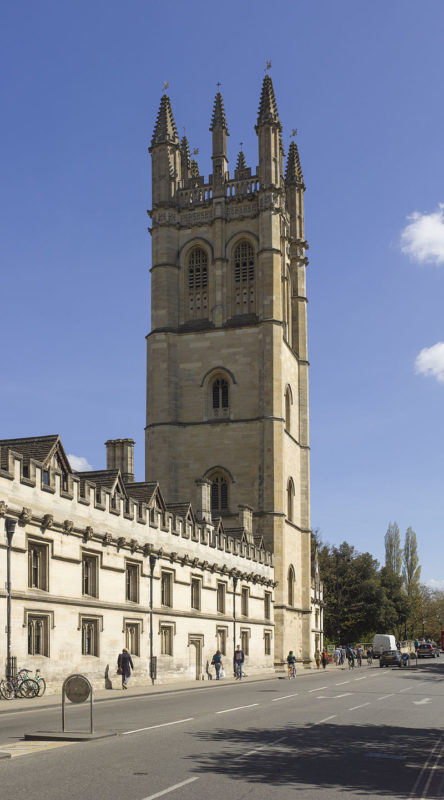
1458: Magdalene College in Oxford is founded.
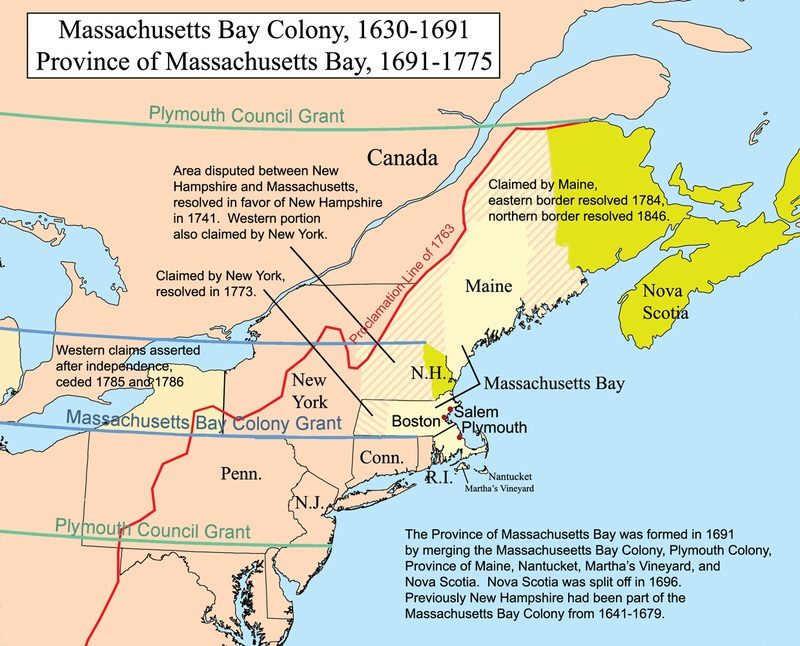
1630: The first fleet of the Massachusetts Bay Company docks at Salem with 700 Puritan colonists on board.
1667: Jean-Baptiste Denys, personal physician to Louis XIV successfully transfuses the blood of a sheep to a 15-year old boy.
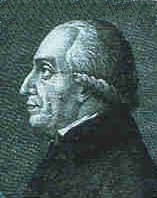
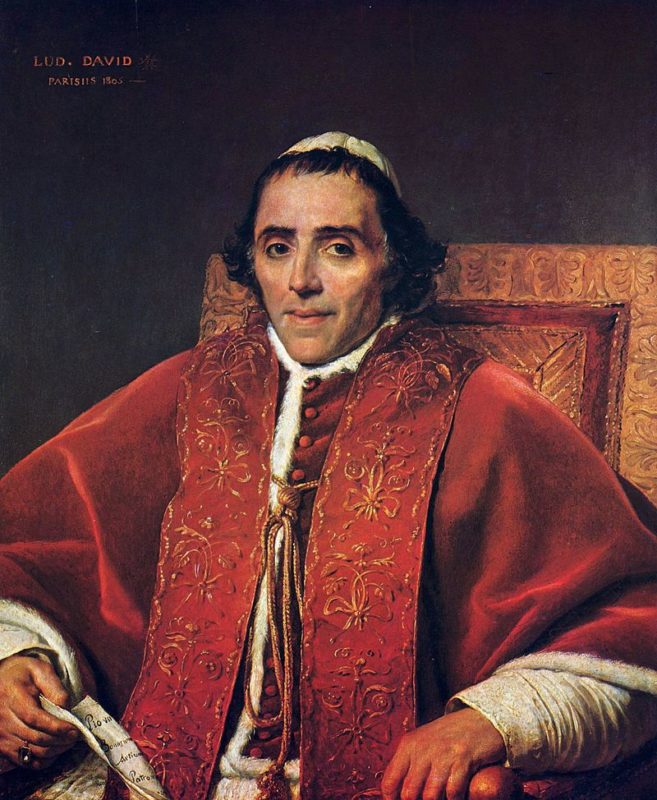
1809: Pope Pius VII excommunicates Napoleon Bonaparte.
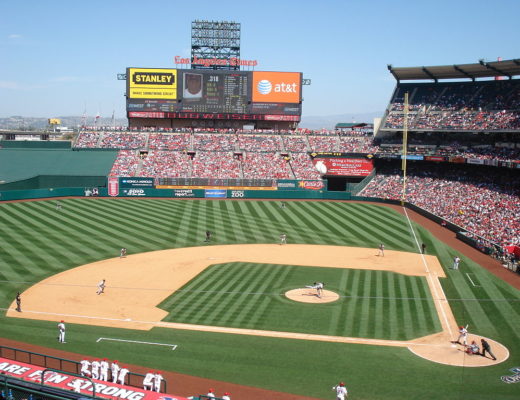
1839: New sport with bases and ball catches on in USA
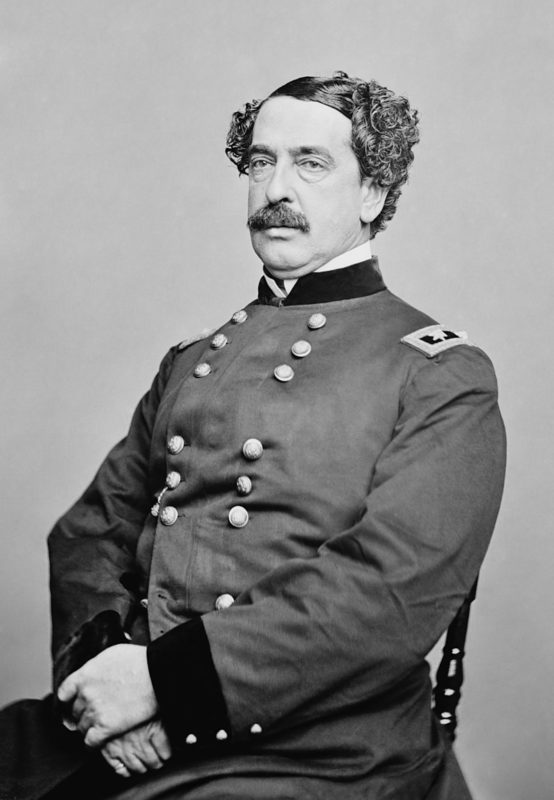
A new kind of ball game was played at Cooperstown, NY. Known as ‘baseball’ because of its four-base infield, it is said to be the invention of Abner Doubleday, who was teaching local military cadets to play. The game used a soft ball to avoid injury – one way of putting out a player running from base to base is for a fielder to hit him with the ball. Although Cooperstown would like to have claimed all the glory for giving America a totally new sport, some had their doubts. Baseball, it seemed, bore a striking resemblance to the American children’s game ‘Old Cat’ and the English ‘Rounders’, and may simply have been an adaptation of these earlier forms.
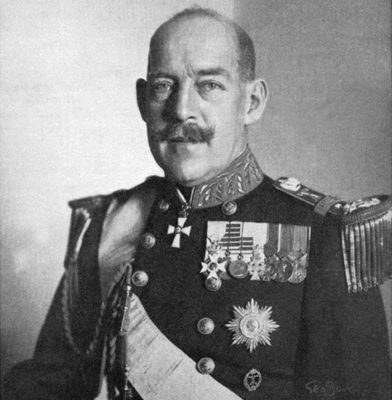
1917: King Constantine of Greece abdicates.
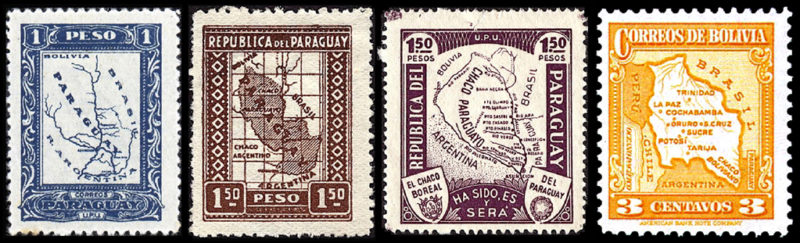
1930: The Chaco War between Bolivia and Paraguay over the vast Gran Chaco regions comes to an end after claiming 100 000 lives.
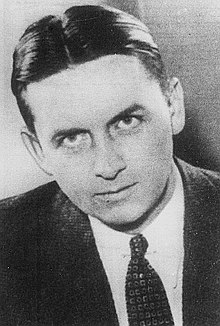
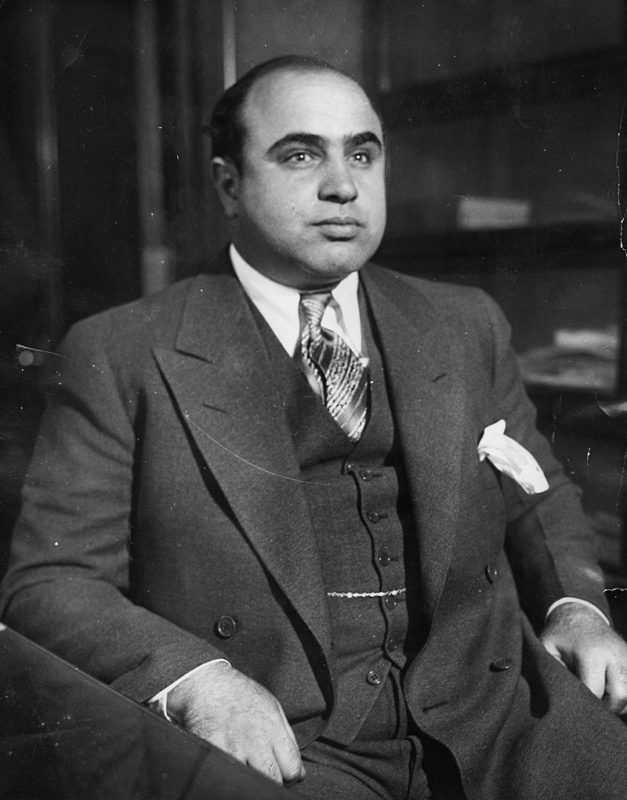
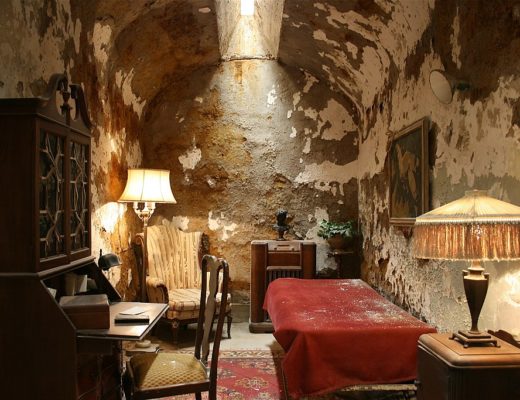
Notorious gangland chief Al Capone’s days were numbered. In their crackdown on bootleggers, the Chicago police elite known as the ‘Untouchables’ closed in, charging him with 5 000 offences under America’s Prohibition laws. Also known as ‘Scarface’ because of a razor slash on his left cheek, Capone had dominated the gangland scene since the infamous St Valentine’s Day Massacre in 1929, when his henchmen, dressed as policemen, gunned down seven rival gang members. Capone’s underworld empire profited from gambling and prostitution, but its main income had been from bootlegging. In 1927, the man that started life in Naples the son of a poor barber, is said to have amassed a fortune close to $100 million (£54 million).
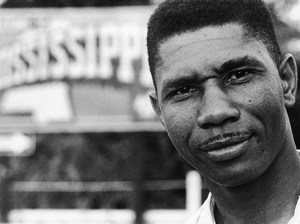
1963: Civil rights lawyer Medgar Evers is murdered by white segregationalists in Mississippi.
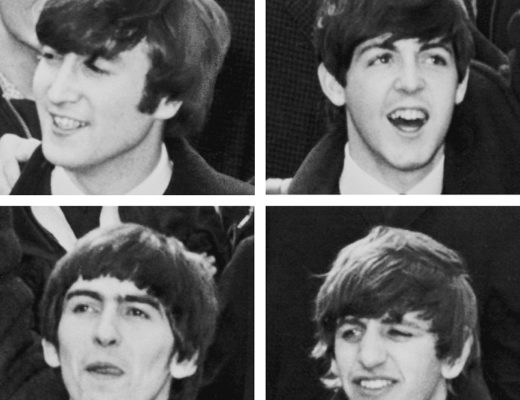
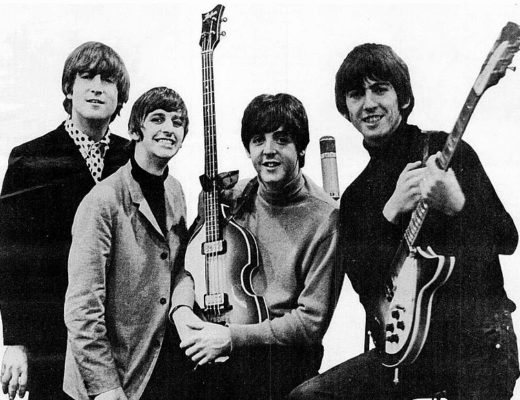
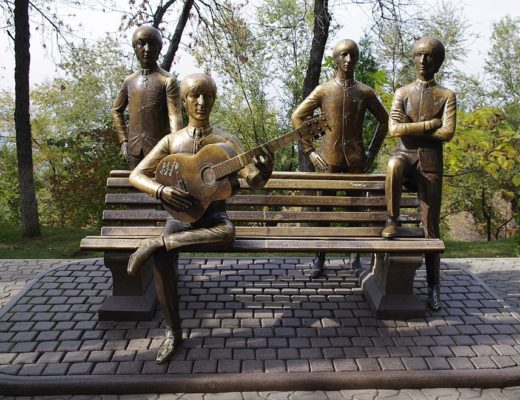
1965: The Beatles are each awarded an MBE in the Queen’s Birthday Honours List.
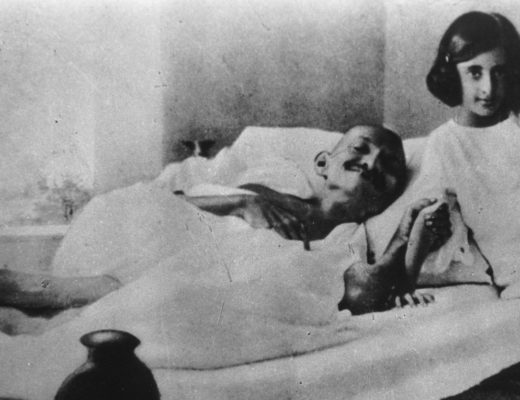
1975: Indian PM Gandhi accused of fixing victory
A shock verdict in Allahabad, India, caused a judicial scandal and a crisis of confidence in the country’s leadership. A judge in Allahabad, home constituency of Prime Minister Indira Gandhi, ruled that her landslide victory in 1971 was invalid because civil servants illegally aided her campaign. Mrs Gandhi, who came to power in 1966, is the daughter of Jawaharlal Nehru, India’s first Prime Minister after the country gained independence from Britain in 1947. The verdict brought angry calls for Mrs Gandhi’s resignation and she was faced with the biggest political storm of her career.
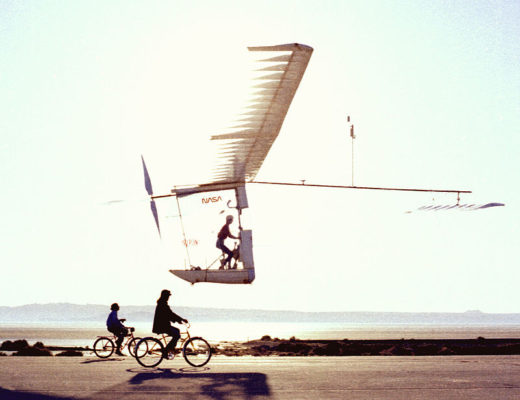
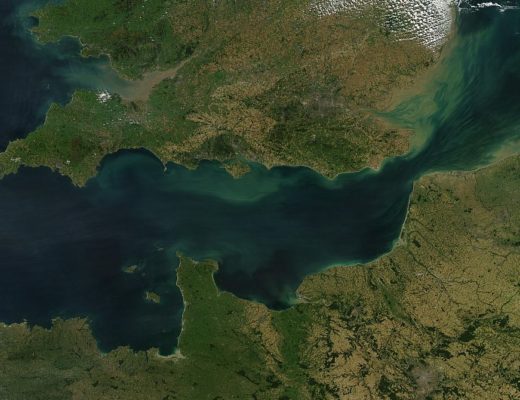
1979: American Bryan Allen pedals his way across the Channel in a man-powered aircraft to win a £100 000 ($185 000) prize.
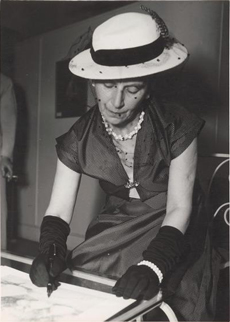
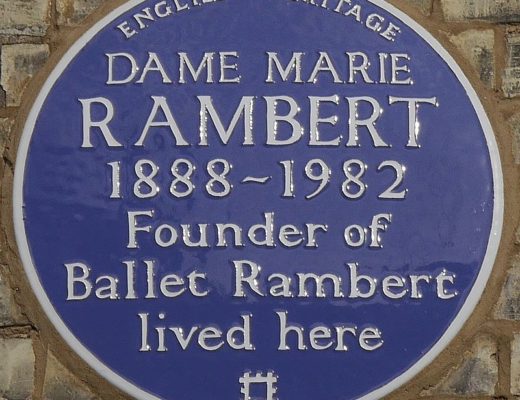
1982: Death of Dame Marie Rambert, Polish-born ballet dancer and teacher who founded the Ballet Rambert in London.
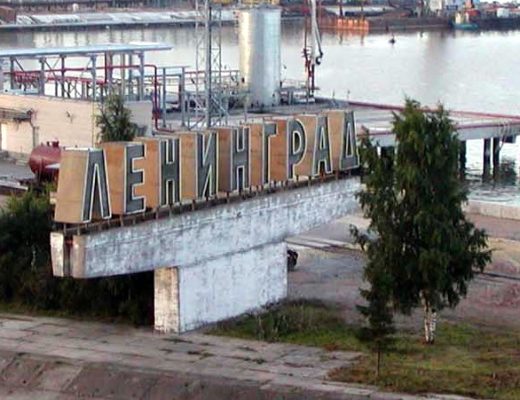
1991: The people of Leningrad show that they believe in the importance of ‘What’s in a name’. In a referendum they voted by 55% to 43% to change the name of their city back to St Petersburg, a name by which it had not been known since pre-Revolution days. The move was indicative of the radical changes in outlook taking place in Russia. ‘Two years ago, people would not have supported the idea.’ said Mayor Anatoli Sobchak. Street signs would be amended, but it would take some time for people to use the new name.
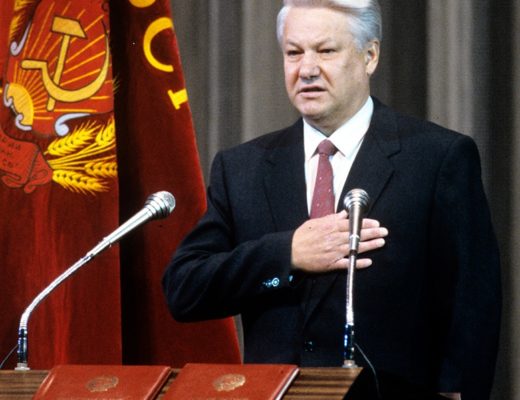
1991: Russians go to vote in first democratic election
The people of Russia make history as they go the polls in the country’s first-ever democratic elections. As they cast their votes, frontrunner Boris Yeltsin was sweating it out, waiting to hear whether he had gained the 51% share of the vote that he needed to make it through the first round. Yeltsin was one of six candidates, individually, none of the others were likely to get a big enough vote to defeat him, but their combined share could present problems. Yeltsin supporters said that the other candidates had a subversive purpose in mind, and were standing only to undermine his chances of becoming president.
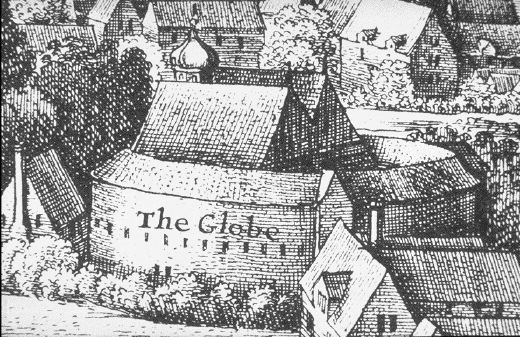
1997: The Globe Theatre opened its doors on the South Bank, London.
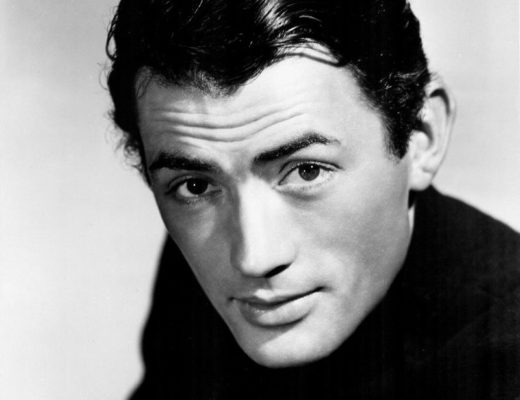
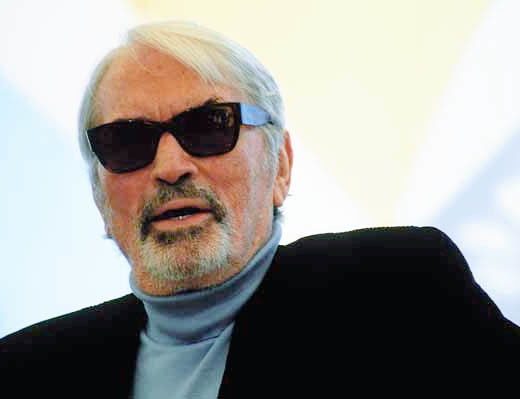
2003: Death of Gregory Peck, Hollywood actor.
HAVE YOUR SAY
Like our Facebook page, follow us on Twitter and Instagram
For news straight to your phone, add us on BBM 58F3D7A7 or WhatsApp 082 421 6033