June 13: On This Day in World History … briefly
Interesting historic snippets and facts taken from the book ‘On This Day’ first published in 1992 by Octopus Publishing Group Ltd, London.

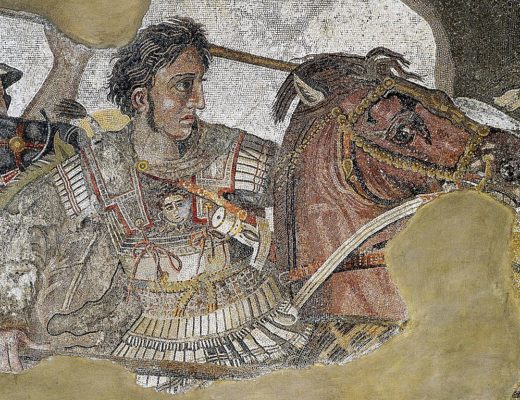
323BC: Alexander The Great, King of Macedon, who came to the throne at the age of only 20 and conquered Persia, Egypt, Babylon, central Asia and part of India, dies aged 33 returning from India.

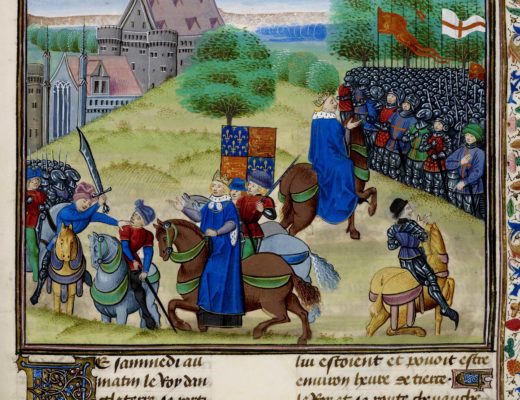
1381: Workers march against poll tax
Flemish merchants were killed and the Savoy Palace, home of John of Gaunt, the king’s uncle, was burnt down as a crowd of angry peasants marched on London. The marchers, agricultural workers from Kent and Essex in south-east England, were led by Walter ‘Wat’ Tyler. Urban workers were also said to have joined the marchers and similar protests were being launched in East Anglia. Although economic unrest had been brewing since the 1350s, it was the unpopular new tax – ‘poll tax’ – that finally brought matters to a head. Workers were also angry about the imposition of a maximum wage – labour was in short supply since the ravages of the Black Death, and the new wage restrictions limited workers’ pay claims. The protest had taken the government by surprise, and the peasants were in no mood to be ignored. There seemed little doubt however, that this ‘Peasants’ Revolt’ would be crushed – putting little pressure on the king to make changes

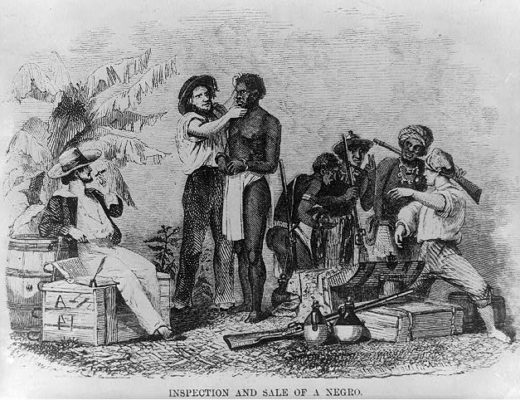
1774: Rhode Island became the first American colony to ban the importation of slaves and to assure their freedom. The new act, passed by the General Assembly in Newport, stated ‘No Negro nor mulatto slave shall be brought into this colony, and in case any slave shall be brought in, he or she shall be … rendered immediately free …’
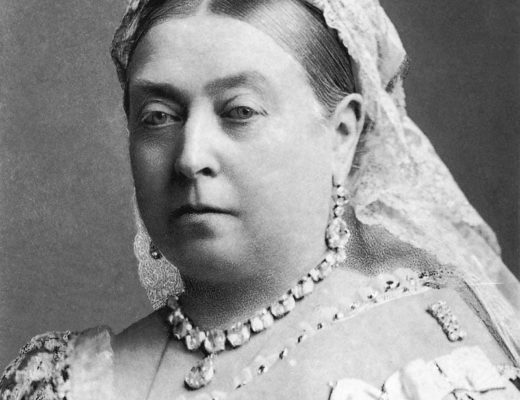
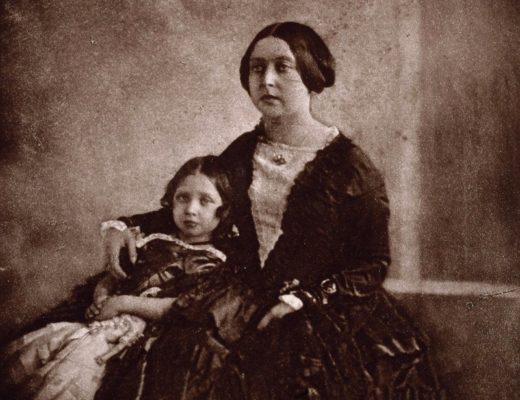
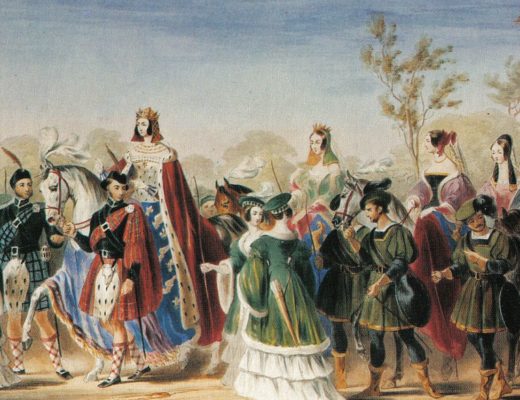
1842: Queen Victoria becomes the first British monarch to travel by train when she takes a trip from Slough to Paddington.
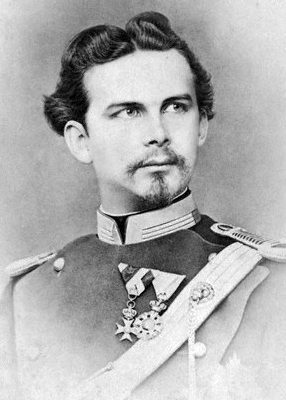
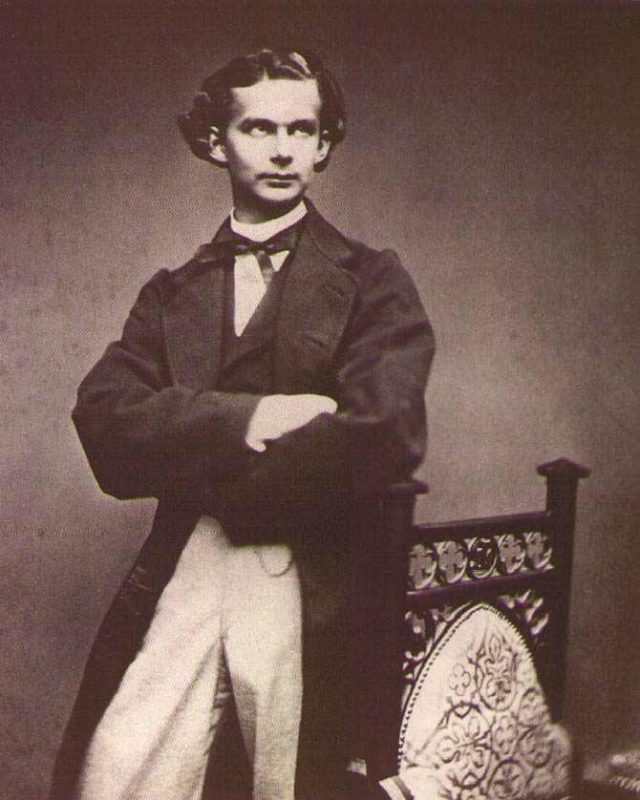
1886: Mad King Ludwig in suicide riddle
King Ludwig II of Bavaria and his physician drowned in Lake Starnberg near Munich. The death was being treated as suicide. The Kind had a history of mental disorders and was declared insane earlier in the month. His struggle with homosexuality, as revealed in his diaries, must also have added to his psychological distress. Ludwig ascended the throne at 18, in 1864. A devoted patron of the composer Richard Wagner, the King spent much of his energy in building magnificent, fairytale castles and staging extravagant artistic performances.
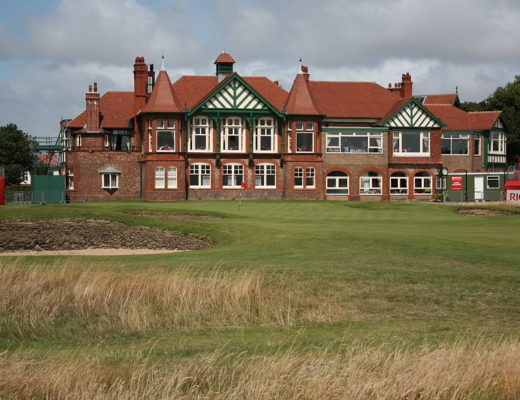
1893: The first women’s golf championship is held at Royal Lytham in Britain and won by Lady Margaret Scott.
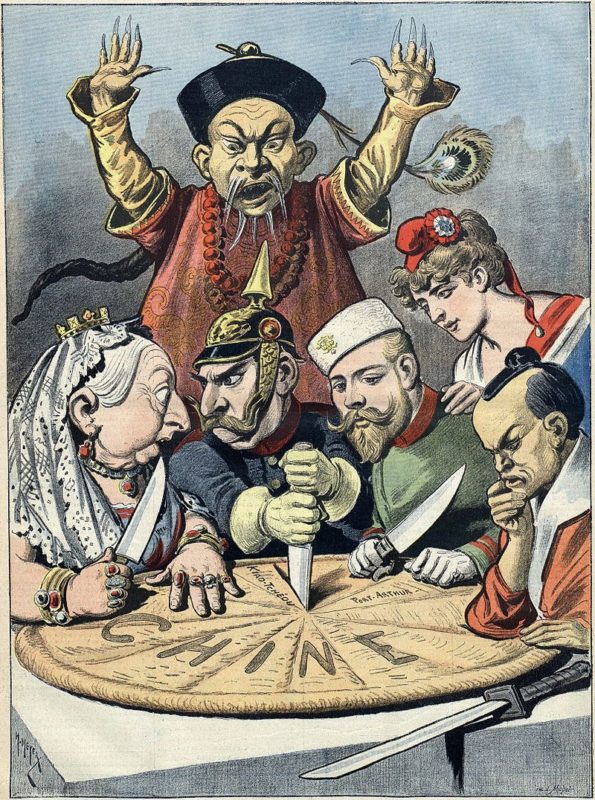
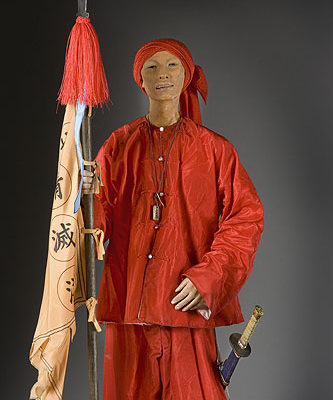
1900: Boxers fight for China’s pride
A group of volunteer soldiers known as the ‘Boxers’, go on a rampage through Peking in a protest against the ‘foreign devils’ who had such a hold on their country. Weakened by a century of conflict, both internal and external, China had over the years agreed to a series of treaties which gave away large slices of the ‘national cake’ to foreign powers, notably the United States, Europe and Japan. Resentment against the terms of the treaties had, until then, only bubbled below the surface, but these latest events, said to have been actively encouraged by the Chinese authorities, show just how deep the Chinese anger really was.
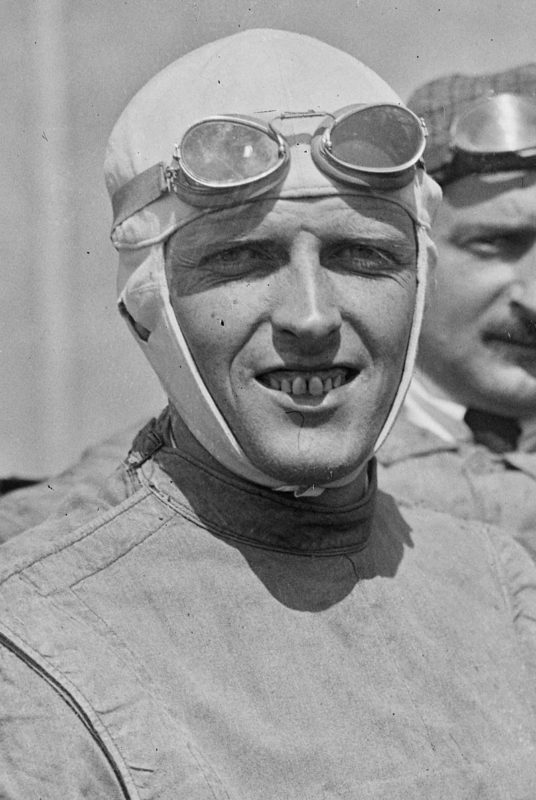
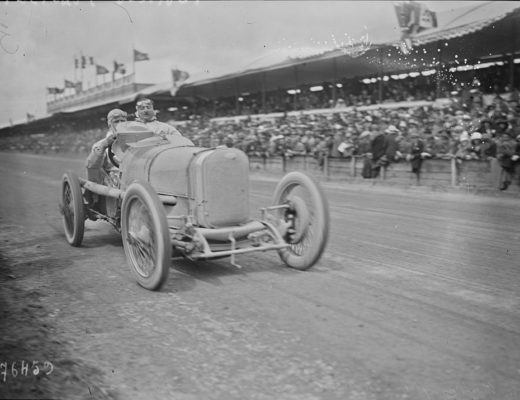
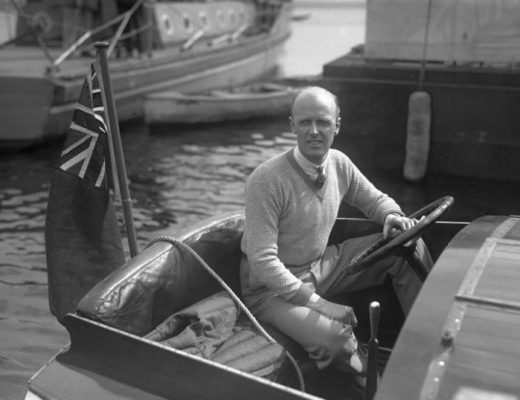
1930: Sir Henry Segrave, who broke the British land and water speed records, is killed when his speedboat capsizes at 98mph (158kph) on Lake Windermere in northern England.
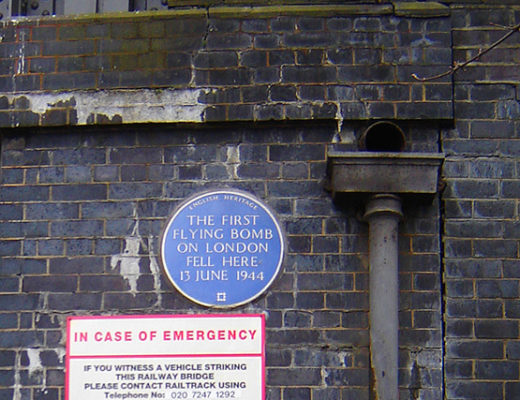
1944: ‘Doodle bugs’ batter London
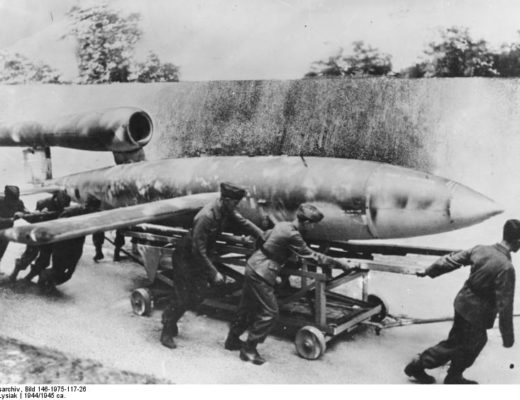
London came under shock attack as Hitler lets loose a devastating new weapon on the city. The so-called VI flying bomb, or ‘doodle bug’, as it had been nicknamed, was a long-range device that could be launched safely from within enemy territory. Travelling at lightning speed, it moved too fast for anti-aircraft guns to target it accurately and its super-power warhead brought down any fighter plane attempting to intercept it. Nazi scientists were said to have been working on the bomb for some time, but British intelligence had not known where it was being made or when it would be used. Ultimately the only way to deal with it may be to discover and destroy its launch sites.
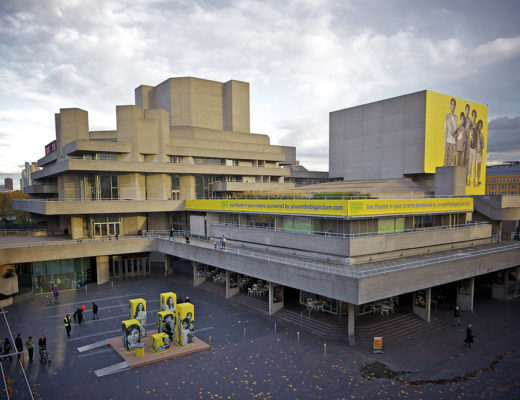
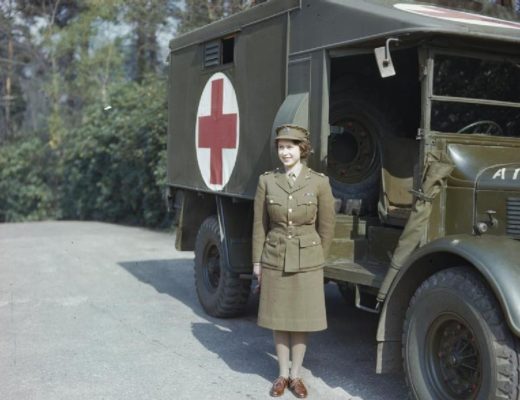
1951: Princess Elizabeth, heir to the British throne, lays the foundation stone of the National Theatre on the South Bank in London.
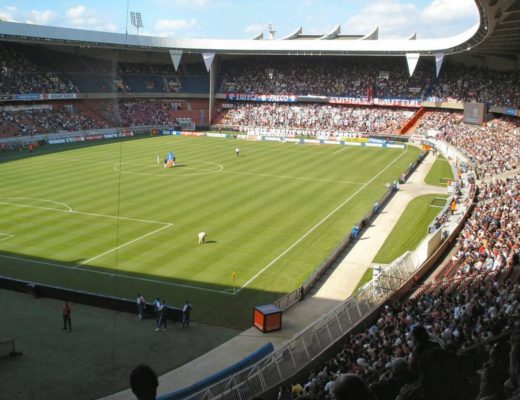
1956: Real Madrid win the first European Cup in Paris, beating Stade de Reims 4-3.
1988: The first beauty contest is held in the Soviet Union.
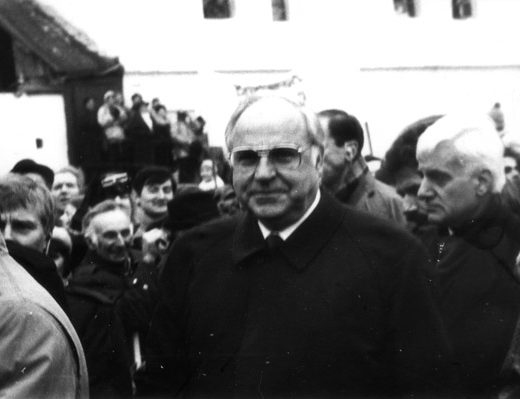
1989: Mikhail Gorbachev and Chancellor Kohl agree that East and West Germany should be reunited.
HAVE YOUR SAY
Like our Facebook page, follow us on Twitter and Instagram
For news straight to your phone, add us on BBM 58F3D7A7 or WhatsApp 082 421 6033