June 14: On This Day in World History … briefly
Interesting historic snippets and facts taken from the book ‘On This Day’ first published in 1992 by Octopus Publishing Group Ltd, London.
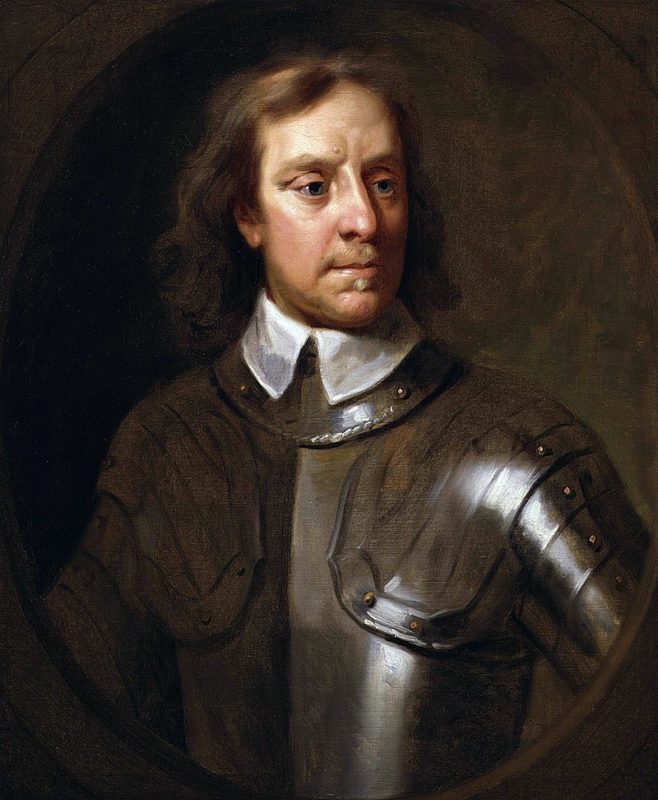
1645: Cromwell leads decisive victory
Parliamentary troops, under the leadership of Oliver Cromwell, were reported to have been inflicted a heavy defeat at Prince Rupert’s Royalist forces at Naseby, 20 miles (32km) south of Leicester in the English Midlands. After a pursuit by Cromwell, the opposing armies took up positions on te ridges flanking the valley of Broad Moor – 10 000 Royalists, facing 14 000 of Cromwell’s men. The Royalists successfully attacked Cromwell’s left wing, but then made the fatal error of pursuing the fleeing Parliamentarians, Cromwell seized his change to regroup the right flank of his cavalry to make a crushing assault on the Royalist centre, routing Prince Rupert’s army and scoring a decisive Parliamentary victory in the Civil War.
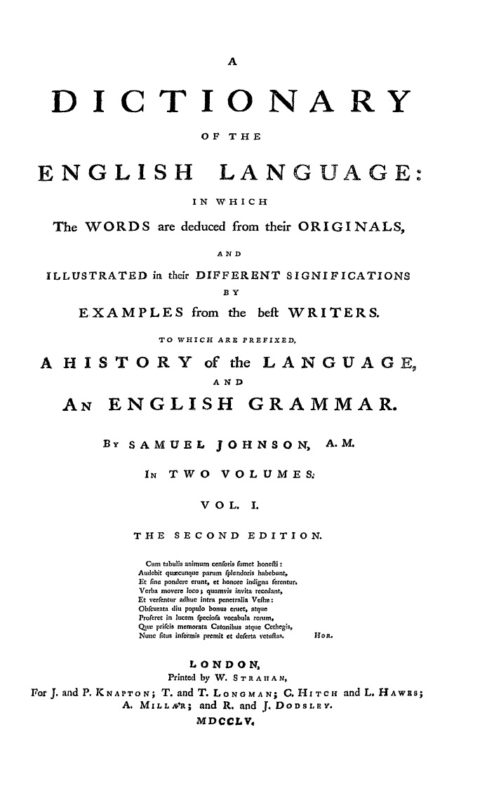
1755: Doctor Johnson’s Dictionary goes on sale at £4 10s for the two volumes.
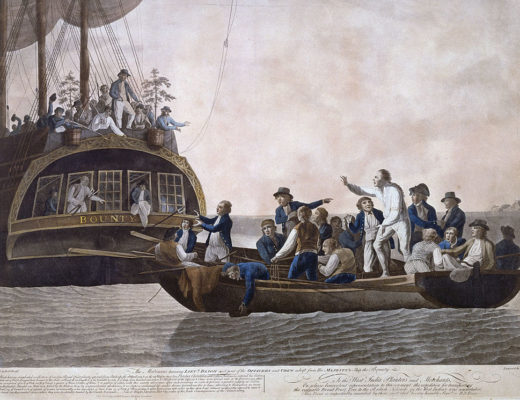
1789: After drifting an incredible 3 500 miles (5 600km) in an open boat, Captain Bligh and his 18 loyal crew members put ashore at the island of Rimor. Bligh captained the 215-ton Bounty on its voyage from Tahiti to the West Indies with a cargo of breadfruit trees. Tensions on board erupted when the vessel reached the Friendly Islands and large numbers of the crew, led by Fletcher Christian, mutinied.
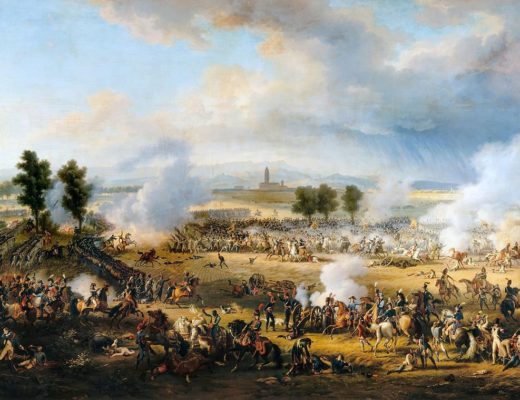
1800: Napoleon’s forces vanquish the Austrians at the Battle of Marengo.
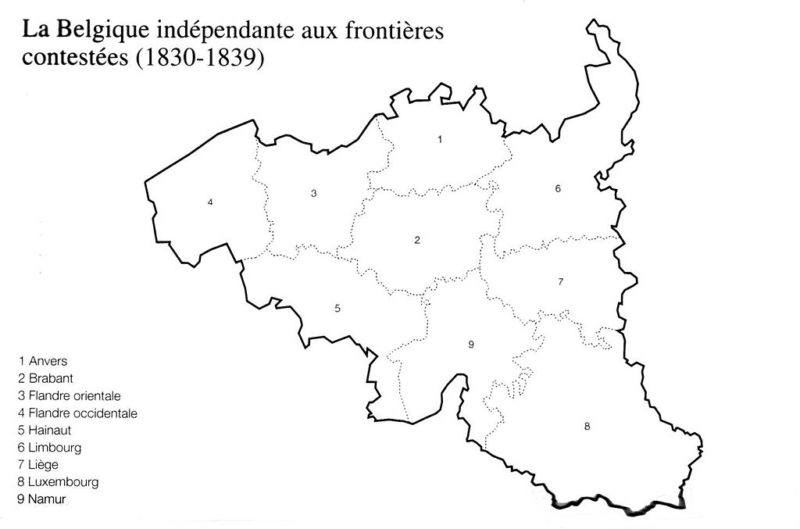
1814: The Netherlands and Belgium are united by the Treaty of London.
1839: A regatta is held for the first time at Henley-on-Thames, Oxfordshire.
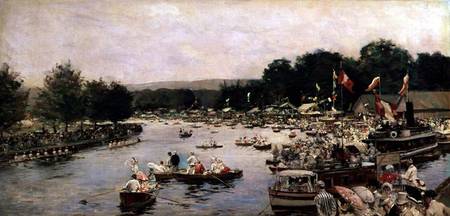
oil on canvas – Wikipedia
1913: Suffragette sacrifice
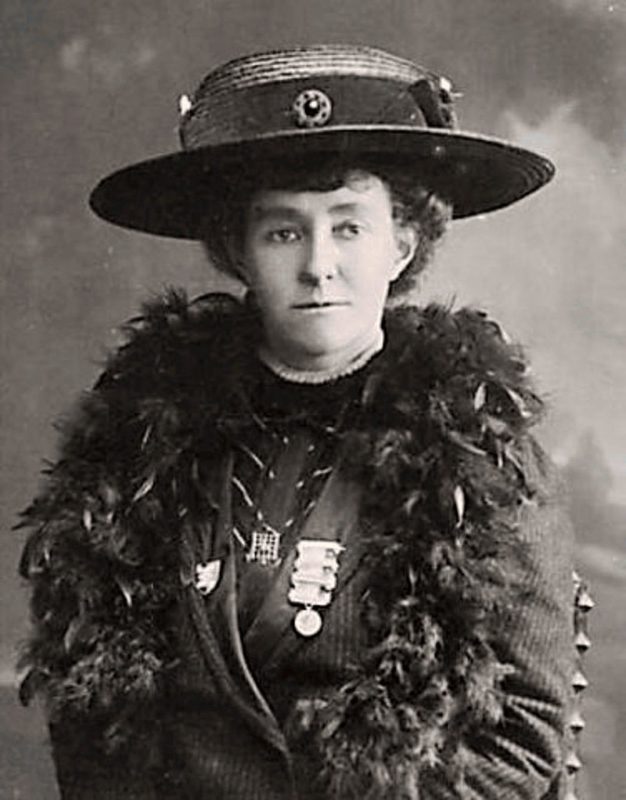
Bearing banners with the words ‘Fight on and God will give the victory.’ suffragettes attend the funeral of Emily Davison, who was killed by King George V’s horse at the Epsom Derby earlier in the month. Davison grabbed the reins of the horse as it thundered towards the winning post, intending only to publicise the suffragette cause – votes for women – but her bid for publicity went horribly wrong. The funeral was not attended by Mrs Emmeline Pankurst, founder of the British movement, who was in prison. In the face of the stubborn and patronising attitude of Liberal Prime Minister Asquith and his government, the suffragettes adopted an increasingly violent strategy – including pouring acid into letterboxes. Such tactics did not endear them to the populace, but the force-feeding of suffragettes, on hunger strike in prison, aroused great public sympathy.
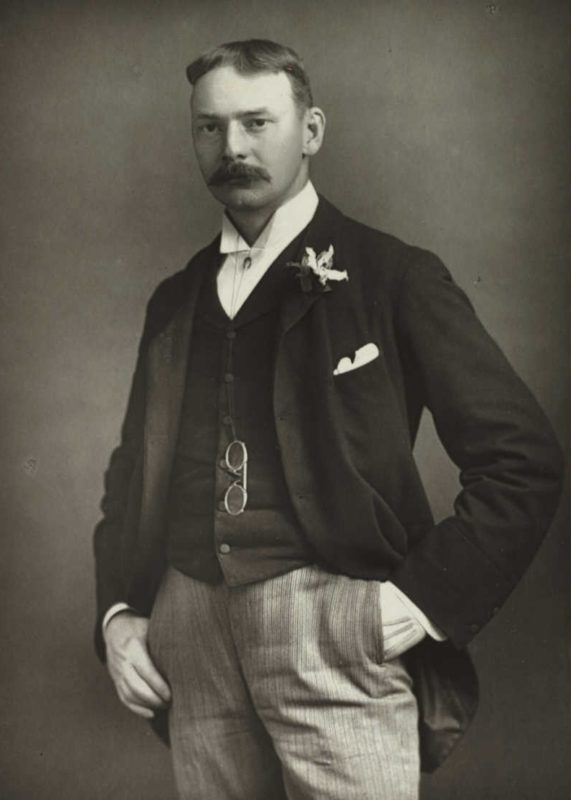
1927: Death of Jerome K Jerome, author of the comic novel Three Men in a Boat.
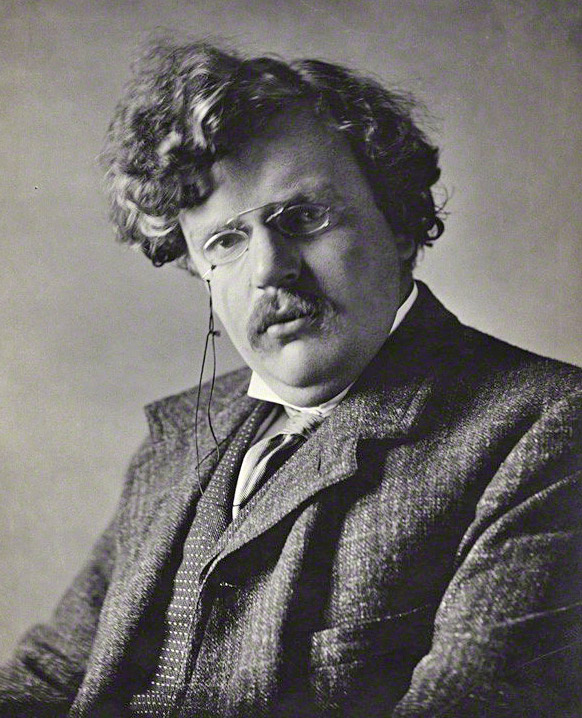
1936: Death of GK Chesterton, British novelist, essayist and poet who published more than 100 volumes.
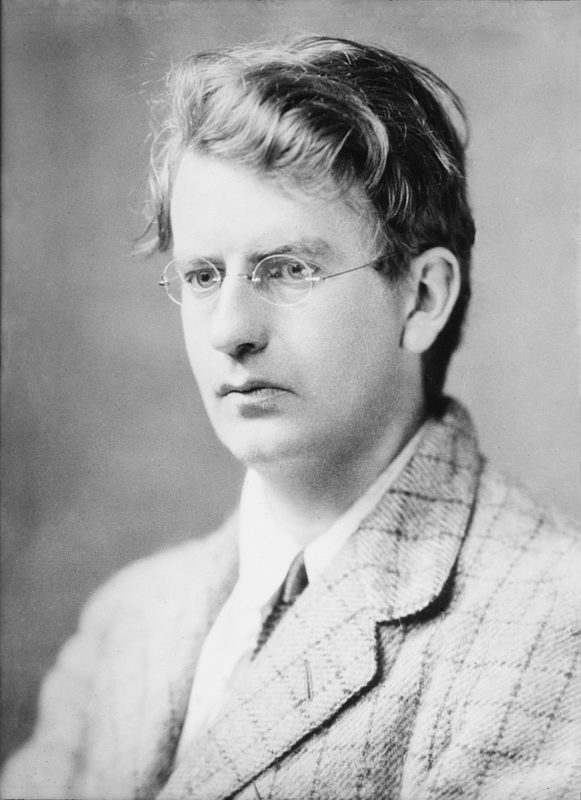
1946: Death of John Logie Baird, British electrical engineer who invented an early form of television, as well as radar and fibre optics.
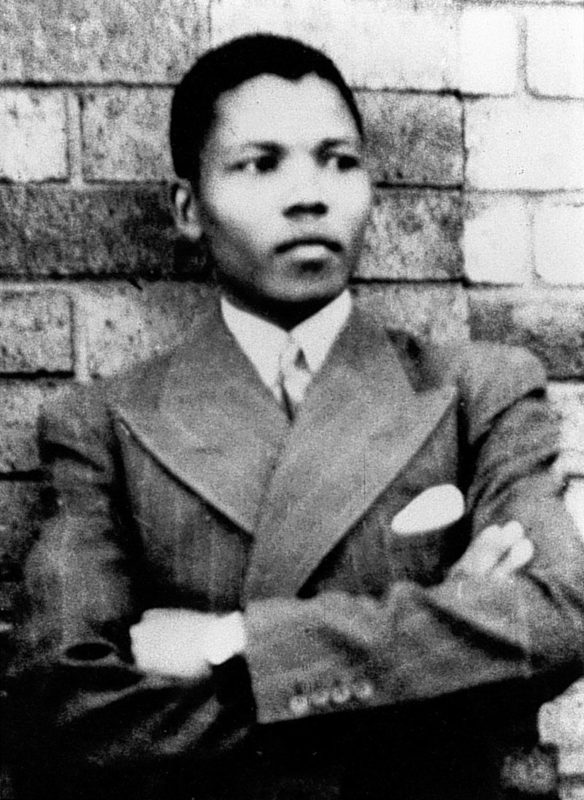
1964: Nelson Mandela is sentenced to life imprisonment.
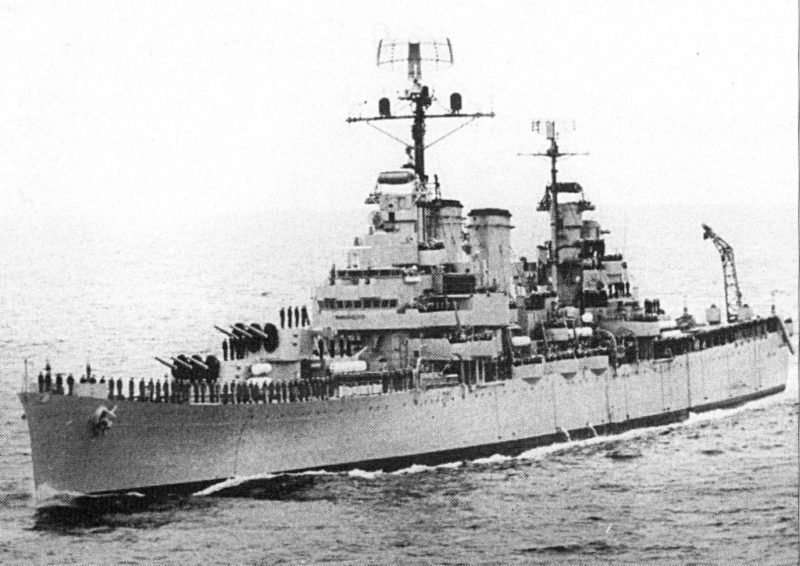
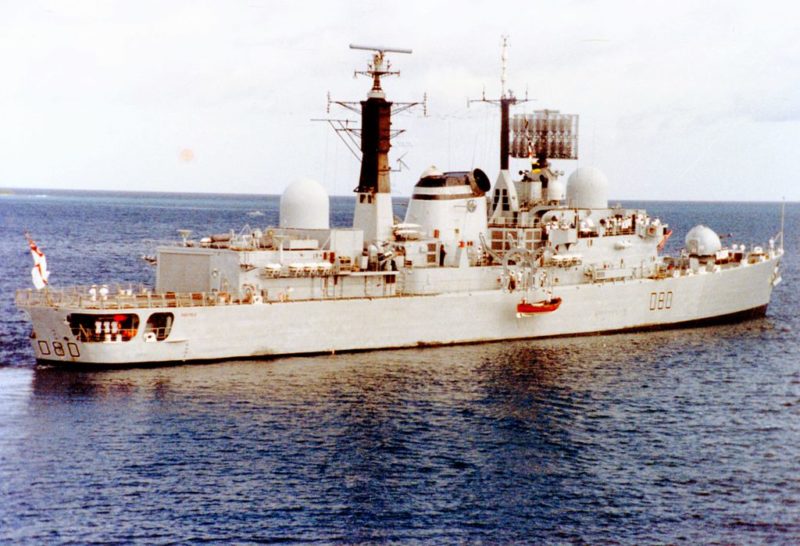
1982: Argentines surrender: Falklands back to Britain
‘Britain is great again’ boasted Prime Minister Margaret Thatcher as Argentinean troops surrender to the British commander of land forces in the Falklands. The surrender marked the end of a six-week conflict that had cost 254 British and 750 Argentinian lives. The conflict began on April 2 when, in a continuing dispute with Britain over the sovereignty of the Islands, Argentina invaded the Falklands and, on the following day, South Georgia. A large British task force was immediately despatched on the three-week voyage to the South Atlantic. Despite diplomatic attempts by the United States and others to prevent hostilities, fighting began later that month, Notable losses were the sinking of the General Belgrano, Argentina’s second-largest warship, 30 miles (48km) south of the 200-mile (320km) exclusion zone imposed by Britain around the Islands, and the British destroyer HMS Sheffield, which was struck by an Argentinian Exocet missile.
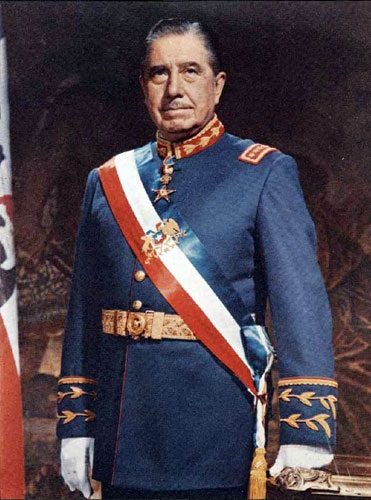
1983: Protests erupt in Santiago against the regime of Chilean dictator General Pinochet.
1989: Queen knights Sir Ronnie
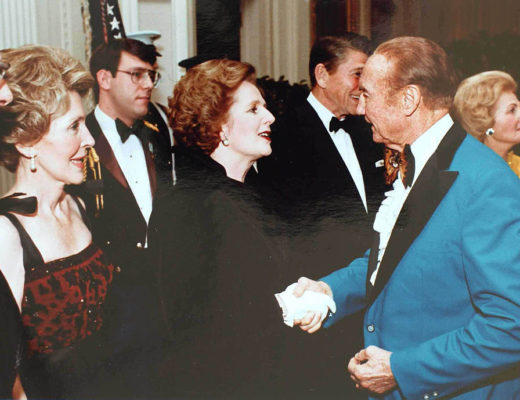
Former governor of California and US president Ronald Reagan received another honour when he was given a knighthood by Queen Elizabeth. As president of the United States, Reagan was one of the architects of the new cordiality between East and West, and has personally met Soviet leader Mikhail Gorbachev on several occasions to have talks on disarmament. During his 1988 visit to Britain, he called for ‘a newer world of freedom and individual rights for all’. The new knight retired form presidential office in January 1989, being succeeded by George Bush. He had been US president since 1980 At 73, he was the oldest man to be elected to the office.
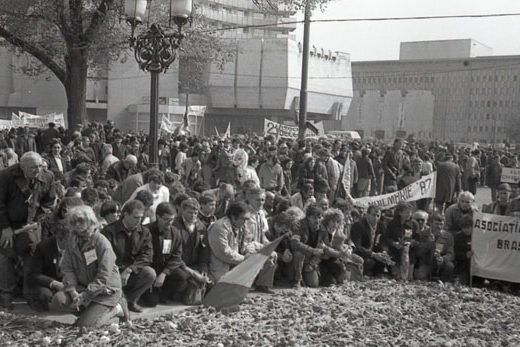
1990: In Bucharest, Romania, street battles break out between students demanding democracy and miners providing support for the interim government of Iliescu.
HAVE YOUR SAY
Like our Facebook page, follow us on Twitter and Instagram
For news straight to your phone, add us on BBM 58F3D7A7 or WhatsApp 082 421 6033