June 16: On This Day in World History … briefly
Interesting historic snippets and facts taken from the book ‘On This Day’ first published in 1992 by Octopus Publishing Group Ltd, London.
1654: Sweden’s queen goes
Queen Christina of Sweden abdicated in favour of her cousin Charles Gustavus. Although respected by some for her patronage of literature and the arts, the general feeling is one of relief at seeing her go. For many years there has been increasing discontent with her luxurious and wasteful lifestyle, open contempt of the Protestant religion, and refusal to marry and produce an heir. Her total lack of concern for public opinion and dismissal of the necessities of the state have also contributed to her widespread unpopularity.

1722: John Churchill, first Duke of Marlborough, dies aged 72.
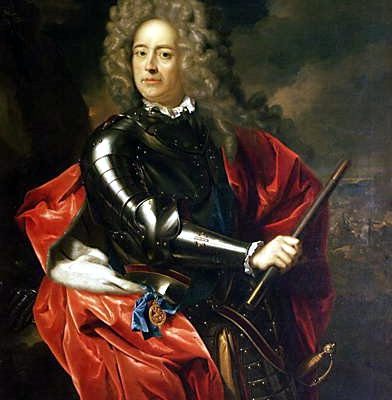
1815: Napoleon’s troops crush Prussia
After a bitter and bloody battle, the French scored a resounding victory against the Prussians at Ligny, in Belgium. Napoleon opened hostilities at about 2.30pm and by 3.15pm the battle was fiercely engaged. At about 7.45pm, a contingent of elite French troops broke the Prussian centre. The Prussian commander of the Lower Rhine, Field Marshal Blucher, responded by leading his cavalry reserve to stem the French advance. There was a tense moment for the Prussians when Blucher was knocked from his horse and only the prompt intervention of his aide-de-camp Count Nostitz, saved him from being trampled to death. By 9pm it was all over. The Prussians lost an estimated 12 000 men, the French 8 500.
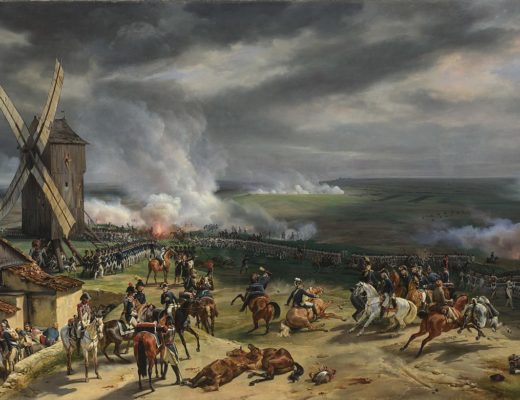
1835: In response to the widespread disappointment with the political results of the 1832 Reform Bill, social reformed William Lovett officially founded the London Working Men’s Association. Despite the Bill’s famous six points for reform, Mr Lovett claimed that fundamental issues of social inequality was still not being addressed.
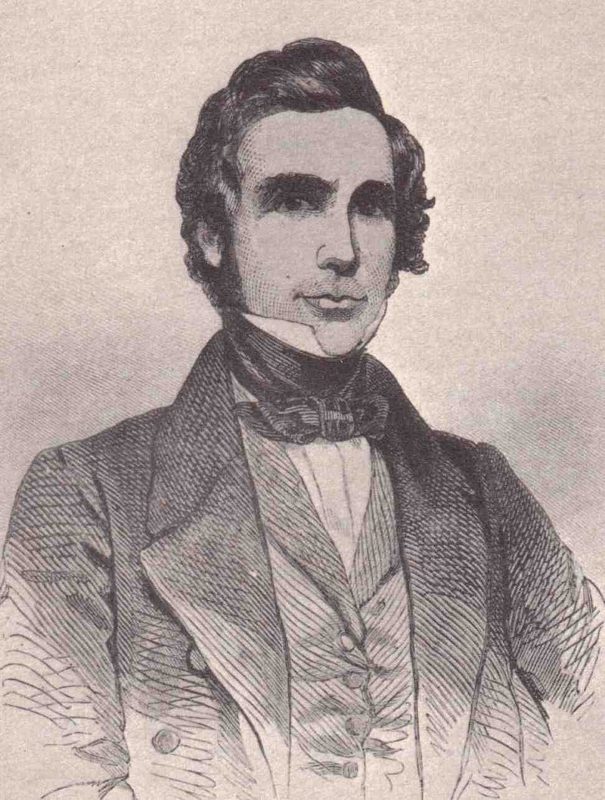
1880: Salvation Army women wear their bonnets for the first time as they march through Hackney in London.
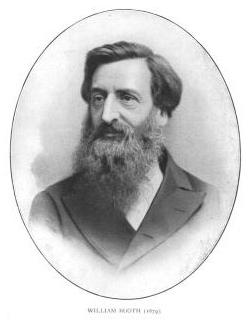
1929: The first four places in the Le Mans 24-hour endurance test are won by Bentleys.
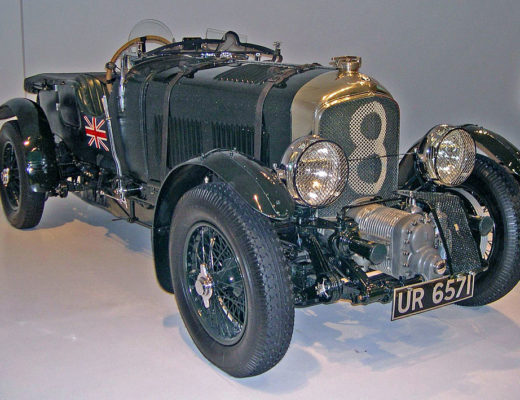
1935: Roosevelt takes on depression
President Roosevelt’s complicated ‘New Deal’ legislative package which is aimed at tackling the severe economic problems of the American nation took another step forward today. The Social Security Bill – embodying old age pensions, unemployment insurance and public health aid – has been passed by the House of Representatives. This important bill with its far-reaching implications is now the unfinished business of the Senate.
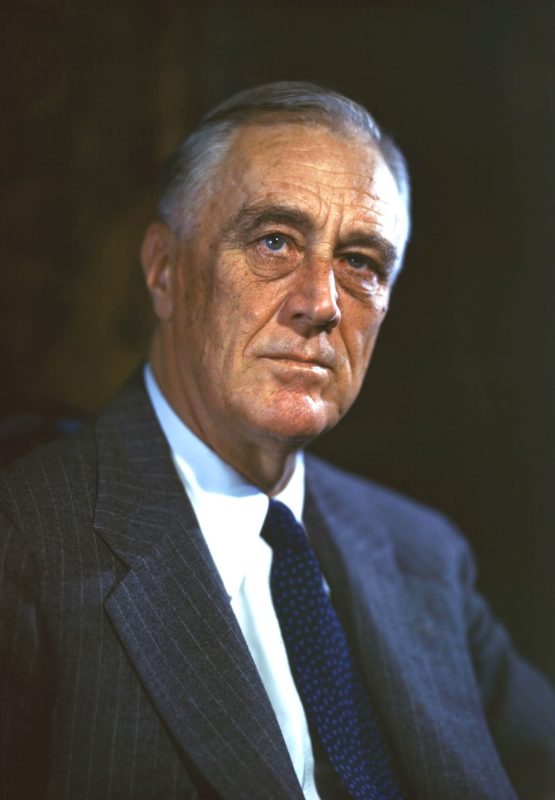
1958: Former Prime Minister of Hungary Imre Nagy is hanged for the role he played in the unsuccessful revolution of 1956.
1961: Ballet star Nureyev leaps to freedom
A star dancer of the Leningrad ballet, forbidden at the last minute to fly to London with the rest of the troupe, asked for political asylum in France. Twenty-three year-old Rudolf Nureyev was waiting to board the London flight at Le Bourget airport in Paris when officials from the Russian Embassy ordered him to return to Moscow immediately. He refused and ran to a police officer crying “Protect me!” Nureyev was immediately taken to the police commissioner’s office at Le Bourget where he made a formal request for asylum. He was later driven to the Ministry of the Interior.

1963: Valentina Tereshkova of the Soviet Union blasts off in Vostok 6 to become the first woman in space.
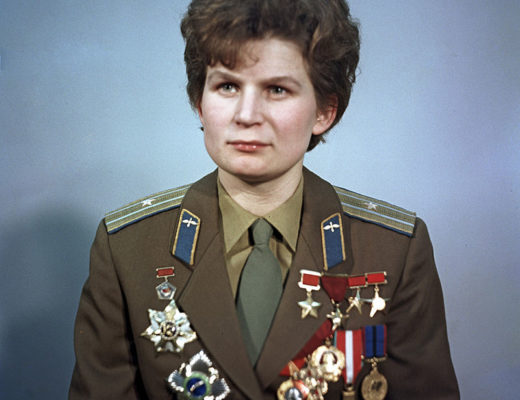
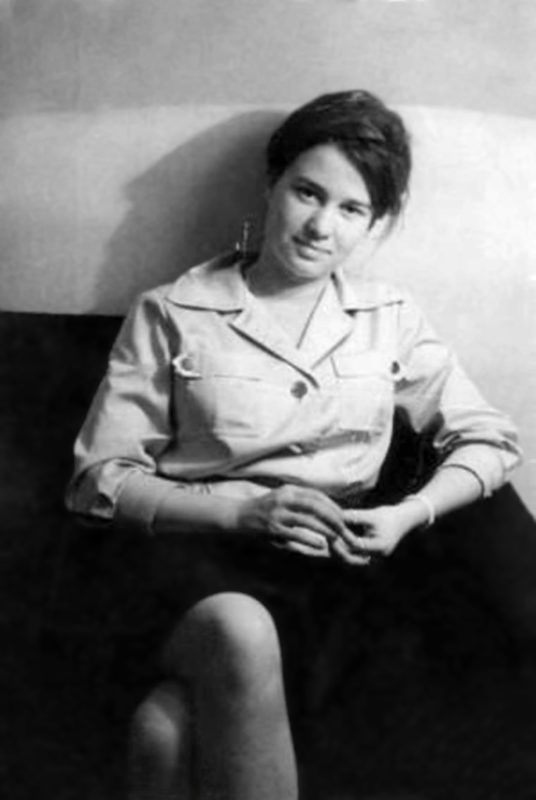
1972: German police capture Ulrike Meinhof, the last member of the Baader-Meinhof group still at large.
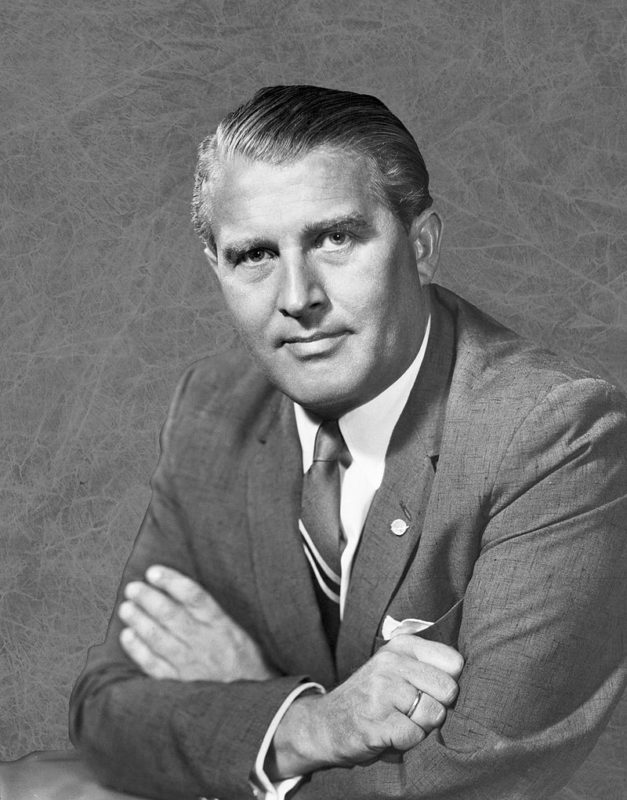
1977: Death of Werner von Braun, German rocket pioneer who pursued his career under the Nazis and then worked on the US space programme after the war.
1983: Europe back in space business
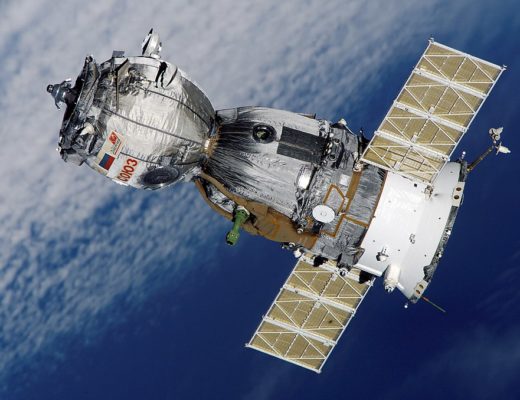
Everything went according to plan when the European rocket Ariane I blasted off from the French National Space Centre at Kouron, French Guiana. Ariana I launched the one-ton ESCI into an elliptical ‘transfer orbit’. Ariana’s future had been uncertain since it crashed on its second and fifth missions, but this success meant that Europe was back in competition with the American space industry for satellite contracts.
HAVE YOUR SAY
Like our Facebook page, follow us on Twitter and Instagram
For news straight to your phone, add us on BBM 58F3D7A7 or WhatsApp 082 421 6033