June 22: On This Day in World History … briefly
Interesting historic snippets and facts taken from the book ‘On This Day’ first published in 1992 by Octopus Publishing Group Ltd, London.

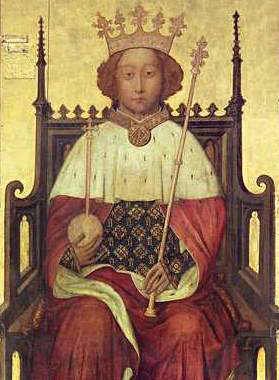
1377: Richard II accedes to the throne of England.
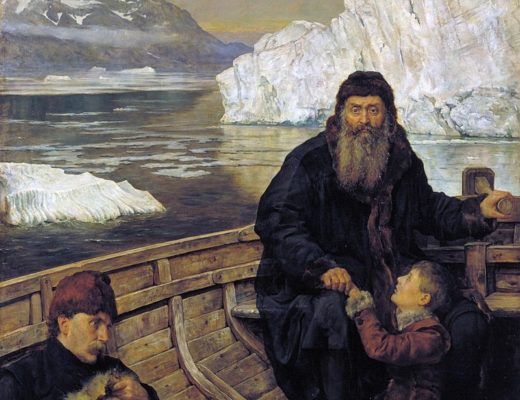
1611: Explorer cast adrift to die
Early in the morning, explorer Henry Hudson was bundled into a shallop by his mutinous crew and set adrift without food or water to die in the open sea. This act was the barbaric conclusion of Hudson’s fourth attempt to find the North-west passage to the Orient. Hudson left England on April 17, 1610, in the sailing ship ‘Discovery’. His roughneck crew were troublesome and rebellious – particularly during the hardships of the bitter Arctic night when the ship went into winter quarters in James Bay, Canada. Hudson’s eldest son was set adrift with him alongside seven others and they were never seen alive again.
1814: The Marylebone Cricket Club and Hertfordshire play the first match at England’s Lord’s Cricket Ground.

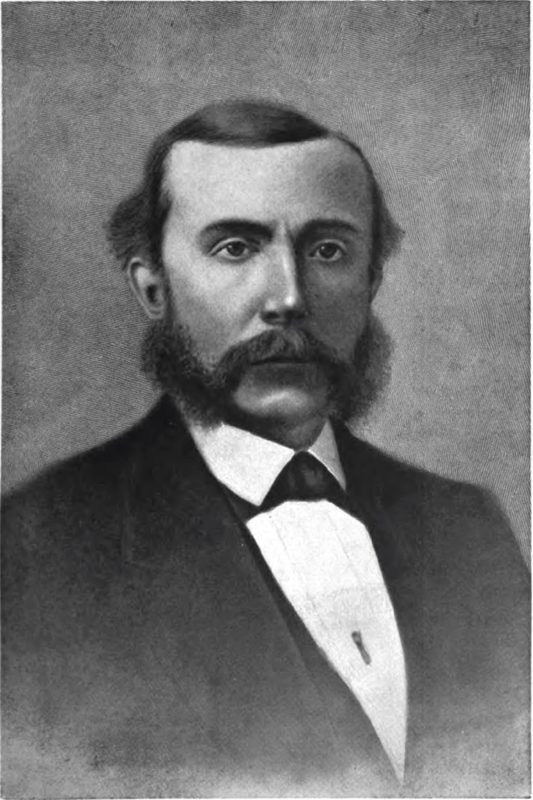
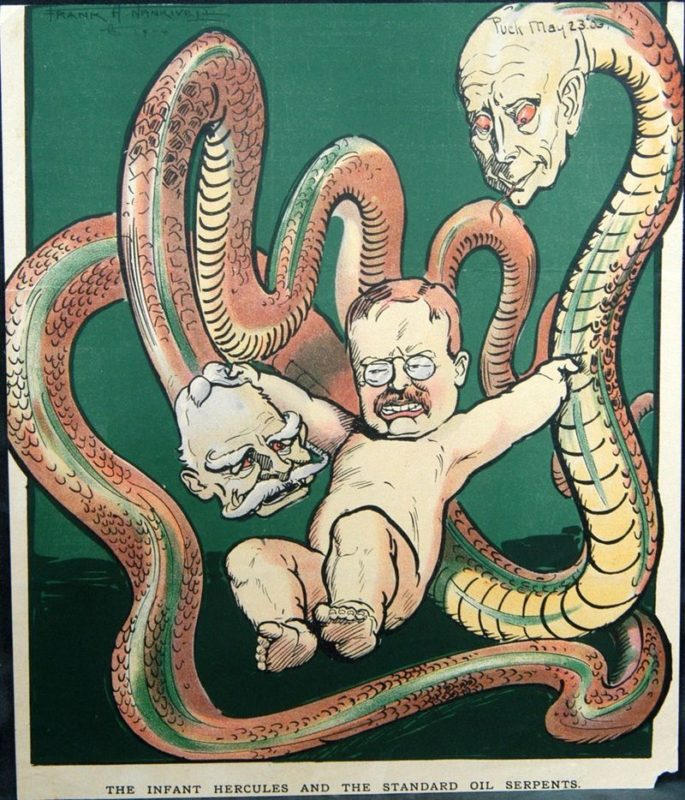
1906: President Roosevelt sues John D Rockefeller’s Standard Oil Company for operating a monopoly.
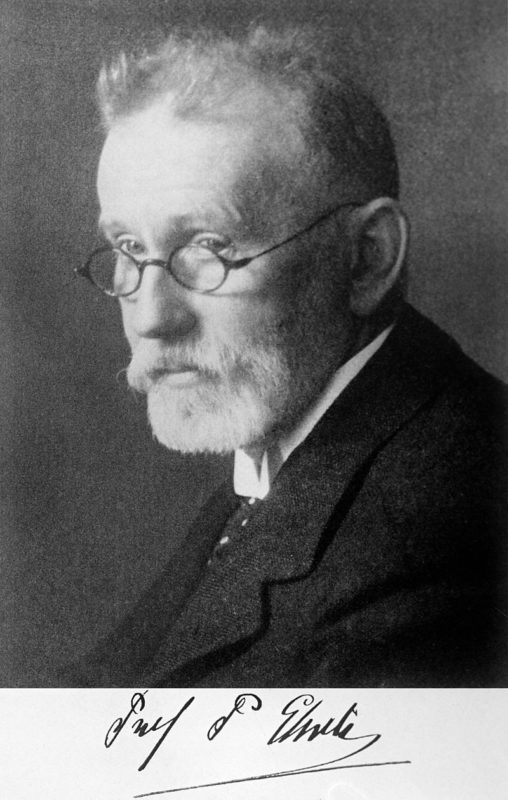
1910: Magic bullets target sex disease
Paul Erlich, German bacteriologist and immunologist announces the definitive cure for syphilis. The renowned scientist, winner with Elie Metchnikov of the 1908 Nobel Prize for physiology, discovered that certain substances were capable of functioning as ‘magic bullets’, attacking specific bacteria in the body while leaving the rest of the organism unharmed. The ‘magic bullet’ against syphilis micro-organisms was an arsenical compound called Salvarsan. Mr Erlich was appointed director of the Royal Institute for Experimental Therapy at Frankfurt in 1906.
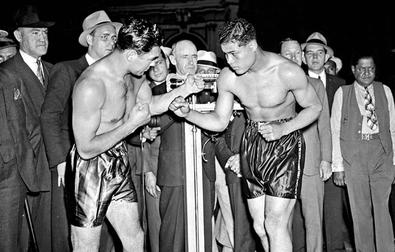
1938: Louis KO echoes world tensions
Joe Louis celebrated his first anniversary as heavyweight champion by knocking out German Max Schmeling in the first round of their New York fight. It was the ‘Brown Bomber’s’ sweet revenge for the knock-out defeat Schmeling dealt him in the twelfth round of their 1936 contest – and a resounding smack in the eye for Hitler, who hailed Schmeling’s victory as evidence of Aryan racial superiority! Louis, the 24-year old son of a cotton picker, was born in Lafayette, Alabama. He turned professional after the 1934 national amateur championships. He was a powerful fighter and there was speculation that he would be the greatest heavyweight ever.
1939: French surrender
Eight days after the French formally surrendered to Germany, President Petain’s request for an armistice was transmitted to Hitler on the night of June 16. Hitler’s terms were delivered to the French envoys two days later. Talks between the two countries took place while German troops continued to advance through the Loire. On June 22, however, the French bowed their heads and accepted all of Hitler’s terms. The bitter event took place in Marshall Foch’s old railway carriage in the forest of Compiegne – the same used by the French to humiliate the Germans when they accepted their surrender in 1918.

1941: Germany invades the USSR.

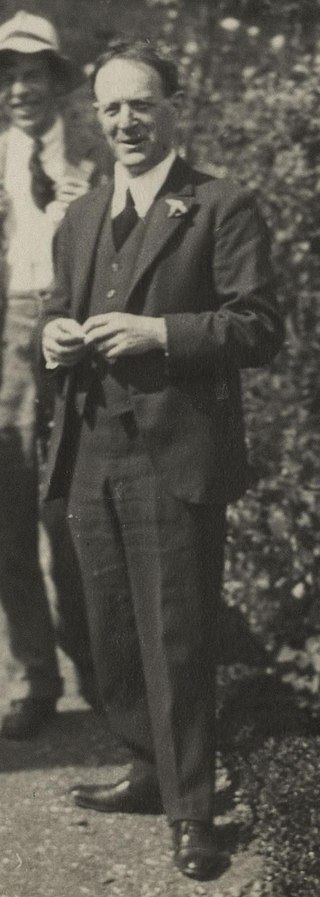
1956: Death of British poet and novelist Walter de la Mare, best-known for the poem ‘The Listeners’.
1969: End of the rainbow
American singer Judy Garland was found dead at her Belgravia mews home in London. An empty box of sleeping pills was also discovered. Miss Garland’s husband, who found the body, said they had spent a quiet evening at home watching the BBC programme ‘Royal Family’. Born Francis Gumm, 47-year old Garland shot to instant stardom for her portrayal of Dorothy in ‘The Wizard of Oz’ when she was 17 and the song from the film ‘Over the Rainbow’ became her trademark. Despite her success, Miss Garland’s life was rocked by illness, lawsuits and broken marriages. She left three children behind.

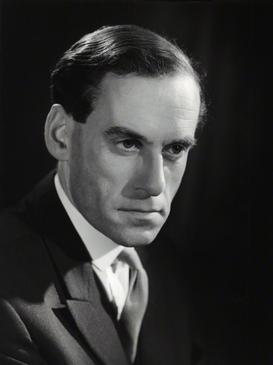
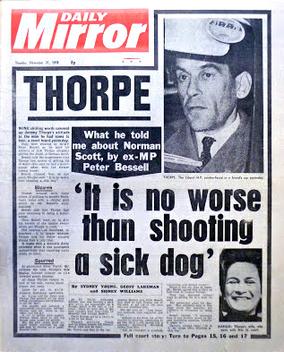
1979: In Britain, Liberal politician Jeremy Thorpe is cleared of conspiring to murder homosexual Norman Scott.
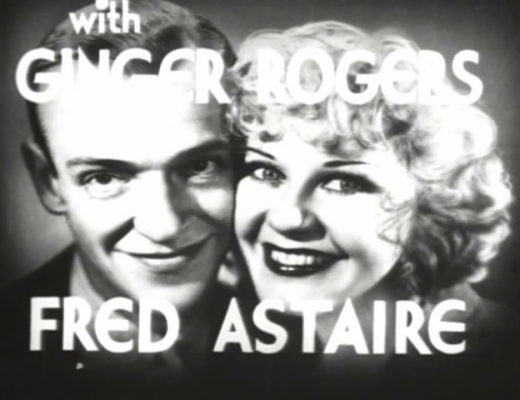
1987: Legendary Fred Astaire dies
Fred Astaire, one of America’s best-loved entertainers dies at the age of 88. He began his career as a music-hall dancer and went on to make films, notably the musicals of the 1930s in which he danced with Ginger Rogers. They include ‘Top Hat’ and ‘Shall We Dance?’ He later co-starred with Judy Garland, Lesley Caron and Audrey Hepburn.
1989: The captain of the capsized cross-Channel ferry ‘Herald of Free Enterprise’ is charged with manslaughter.

HAVE YOUR SAY
Like our Facebook page, follow us on Twitter and Instagram
For news straight to your phone, add us on BBM 58F3D7A7 or WhatsApp 082 421 6033