June 23: On This Day in World History … briefly
Interesting historic snippets and facts taken from the book ‘On This Day’ first published in 1992 by Octopus Publishing Group Ltd, London.

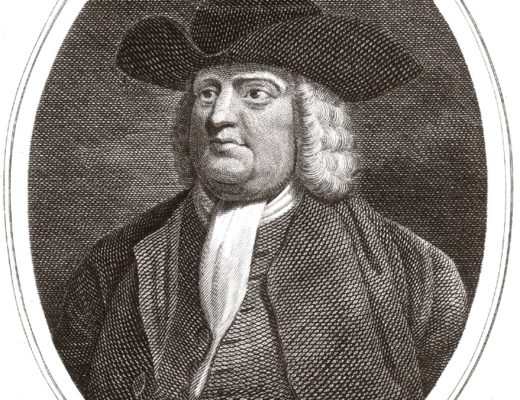
1683: Quaker Penn seeks peace with Indians
William Penn, the English Quaker and advocate of civil and religious liberty, signed a treaty with chiefs of the Lenni Lenape Tribe in a bid to ensure the peace of his colony. Penn was granted a huge tract of land in the New World by King Charles II, which he subsequently named ‘Pennsylvania’ after his father. Since arriving from England in September 1682, Penn, author of ‘No Cross, No Crown’, has gone all out to establish friendly relations with the Indian tribes in the area. The solemn ceremony took place under an elm tree at Shakamaxon, Philadelphia.
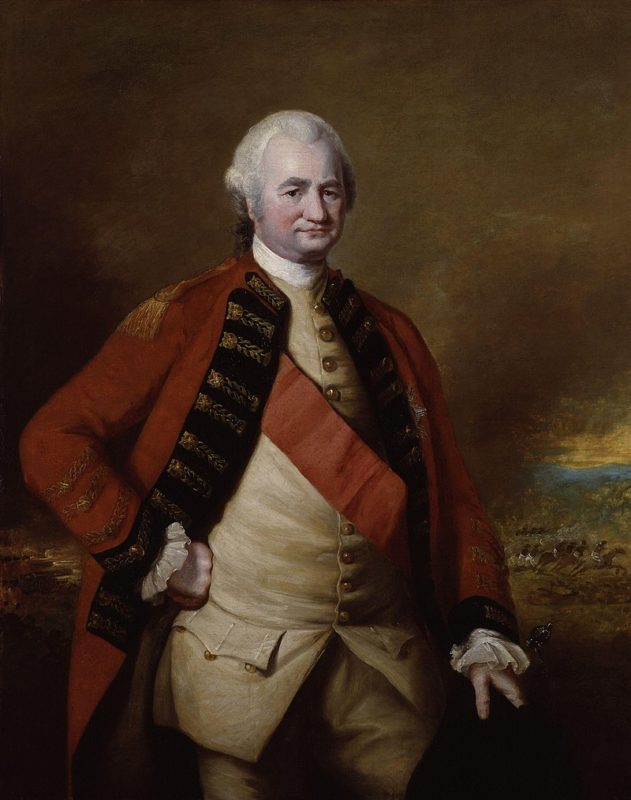
1757: British troops under Robert Clive defeat the Nawab of Bengal, Siraj-ud Dawlah, at the Battle of Plassey, thereby making possible the British annexation of Bengal.
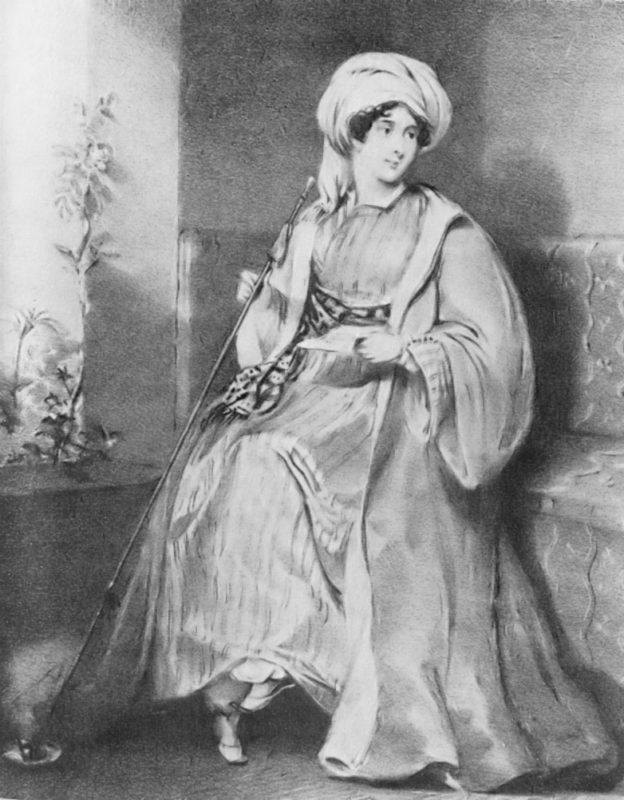
1839: Lady Hester Stanhope, English gentlewoman who spent much time living with Arab tribes in the Middle East, dies in poverty.
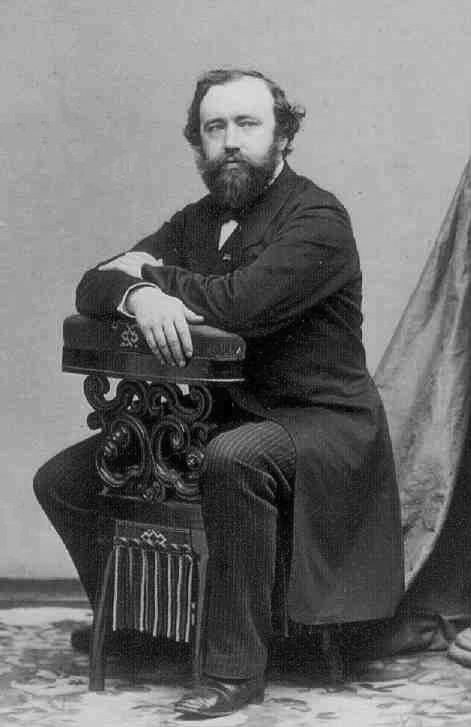
1848: Adolphe Sax is granted a patent for the saxophone.
1911: Empire celebrates King George V
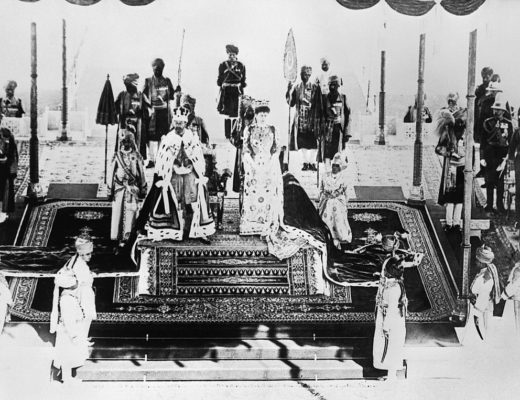
Despite the rather glum weather, thousands turned out to celebrate the coronation of King George V in London. Twelve thousand members of the Metropolitan Police lined the route where cheering crowds waited for the great moment when the robed and crowned King and Queen would drive by. Seven thousand people attended the coronation itself, including representatives from all over the world. It has also been a day of rejoicing for the whole of the Empire, which has joined with the Mother Country in rendering homage to the new King. Even in India – where the great official celebrations will not take place until the time of the Delhi Durbar – unofficial festivities of the most varied sorts were being held everywhere.
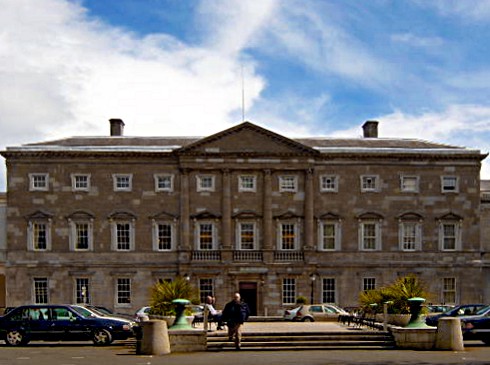
1939: Dail gets tough with IRA
A series of IRA bombings in England has led the Dail, the Irish parliament, to take tough measures against the organisation, including provision for internment without trial. The bombings are just one in a long line of terrorist activities going back to the IRA’s beginnings in 1919, when they took over from the militant nationalist group, the Irish Volunteers. The present IRA refuses to accept the division of Ireland or the Irish Free State, established after the war of independence of 1919-21 and contemptuously referred to as ‘the Six Counties’. Its goal is a united Ireland, and it believes that the only way to achieve this is through armed struggle. Despite being declared illegal in 1931 and again in 1936, the IRA has defiantly continued to bomb, raid, ambush and sabotage in the blind pursuit of its dream.
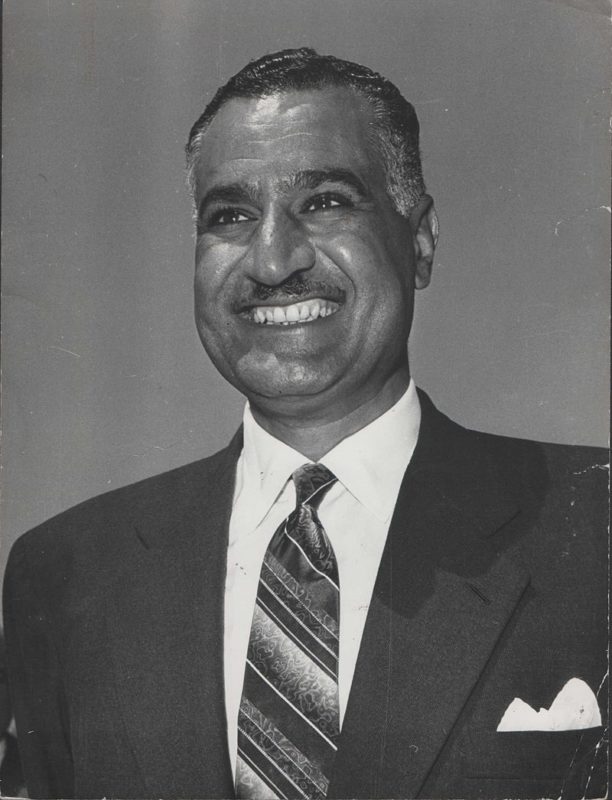
1956: Nasser raises Egyptian profile
Colonel Gamal Abdel Naser, the man who stands as a symbol of Arab nationalism from the Atlantic to the Persian Gulf, becomes President of Egypt. Son of a humble postal clerk, Nasser graduated from the Royal Military Academy in Cairo in 1938, aged 20. He was wounded in the 1948 Arab-Israeli war and was a central figure in the military uprising that overthrew the government of King Faruk in 1952. Appointed prime minister in 1954, Nasser has the full support and affection of the Egyptian people.
1980: Sanjay Gandhi, son of Indira Gandhi and next in line for political power is killed in an air crash.

1980: Death of Olivia Manning, British novelist best known for her Balkan Trilogy.

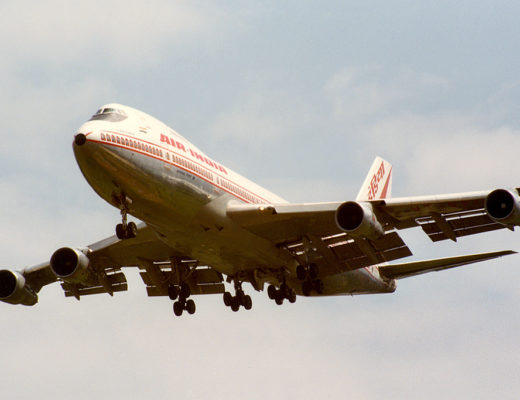
1985: Air India jet explodes
An Air India Boeing 747 exploded off the Irish coast killing the 329 people on board. The jet was en route from Canada, where it left Montreal airport late – one hour and 33 minutes after its scheduled departure time. Although no group has as yet claimed responsibility for the murders, it is believed that Sikh extremists planted the bomb that caused the disaster.
1991: The International Monetary Fund agrees to offer associate membership to the Soviet Union.
2002: A fire in a youth hostel kills 15 backpackers in the town of Childers, Australia.

HAVE YOUR SAY
Like our Facebook page, follow us on Twitter and Instagram
For news straight to your phone, add us on BBM 58F3D7A7 or WhatsApp 082 421 6033