June 25: On This Day in World History … briefly
Interesting historic snippets and facts taken from the book ‘On This Day’ first published in 1992 by Octopus Publishing Group Ltd, London.
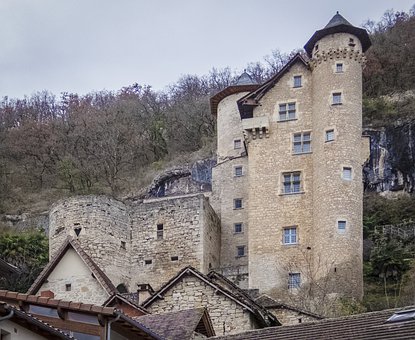
1797: Admiral Nelson is wounded in the arm in battle and the limb is amputated.
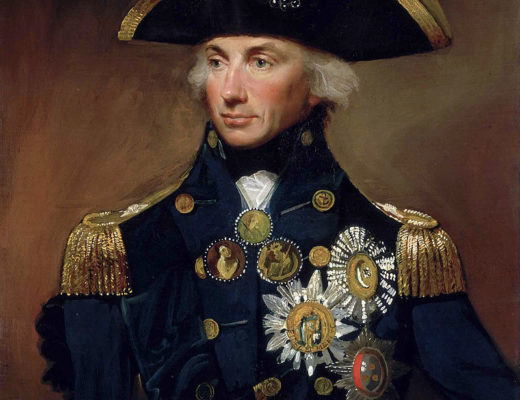
1857: Bovary writer in moral ‘bovver’
Gustave Flaubert goes on trial in Paris for offences against public morality in his novel ‘Madame Bovary’. In this scandalous work, serialised over the previous year in the Revue de Paris, Flaubert tells the story of a provincial wife who seeks escape from boredom in extra-marital affairs and daydreaming. Her fantasies and the debts she accumulates finally drive her to suicide. ‘Madame Bovary’ is Gustave Flaubert’s only published work.
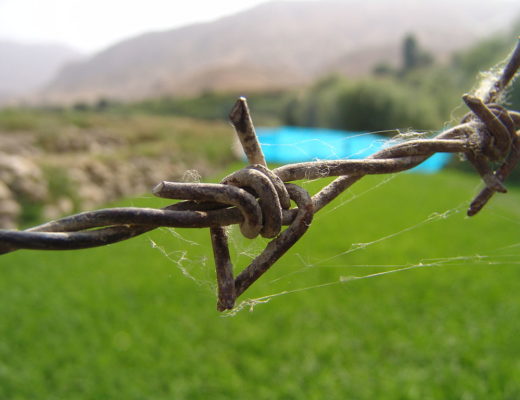
1867: Lucien B Smith of Kent, Ohio, patents barbed wire.
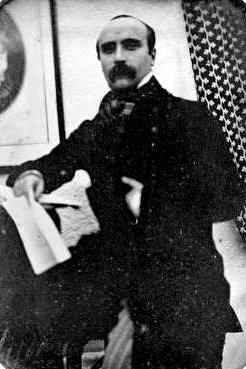
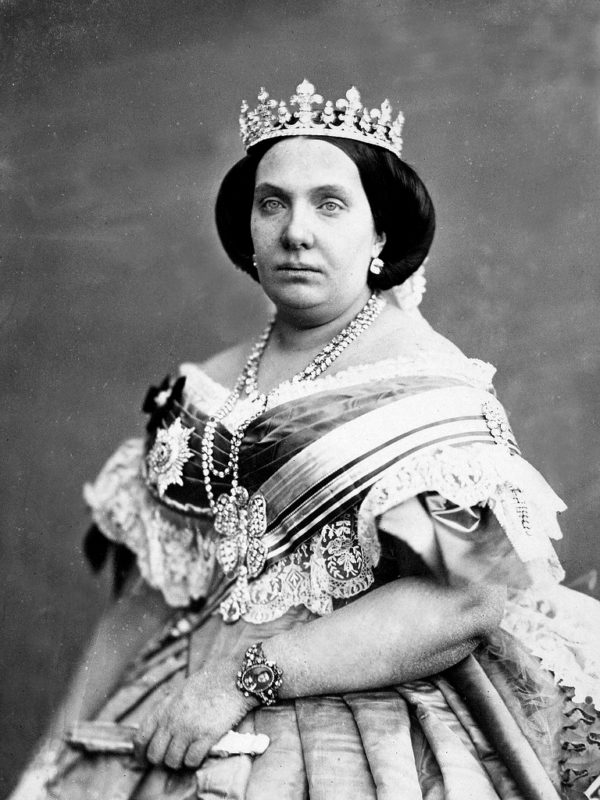
1870: Queen Isabella II of Spain abdicates.
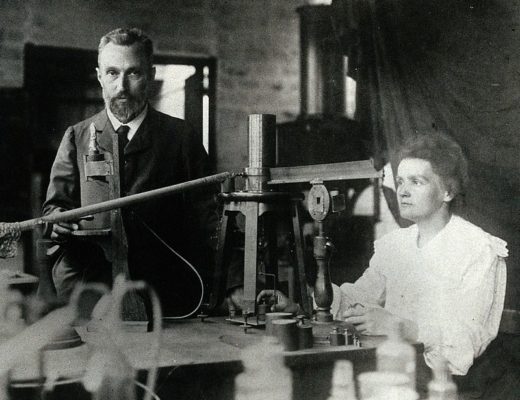
1903: Radium find gives Curies Nobel chance
Scientist Marie Curie announces the discovery of radium. Mrs Curie began a systematic search for the element when research she was doing with her husband Pierre pointed to the existence of something even more radioactive than either uranium or thorium. Radium is a radioactive metallic element found in pitchblende and other minerals and is remarkable for its spontaneous disintegration. Many predicted that the Curies would carry off the Nobel Prize for physics for this breakthrough discovery.
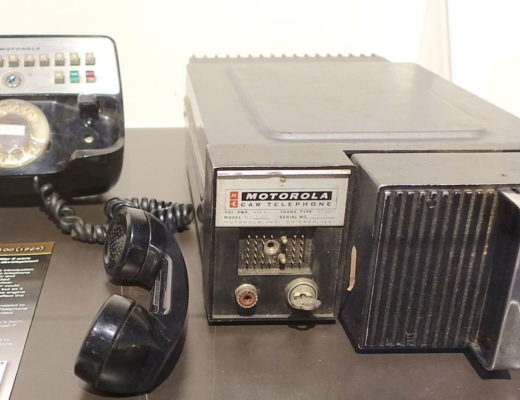
1925: The first car telephone is exhibited in Germany.
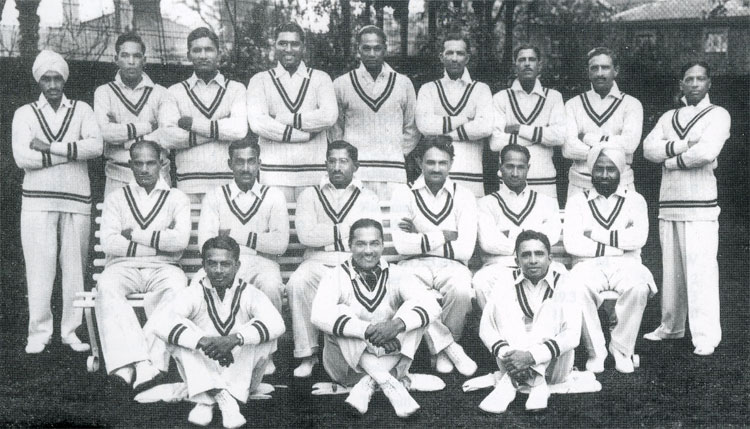
1932: The Indian cricket team play their first test against England at Lords and lose by 158 runs.
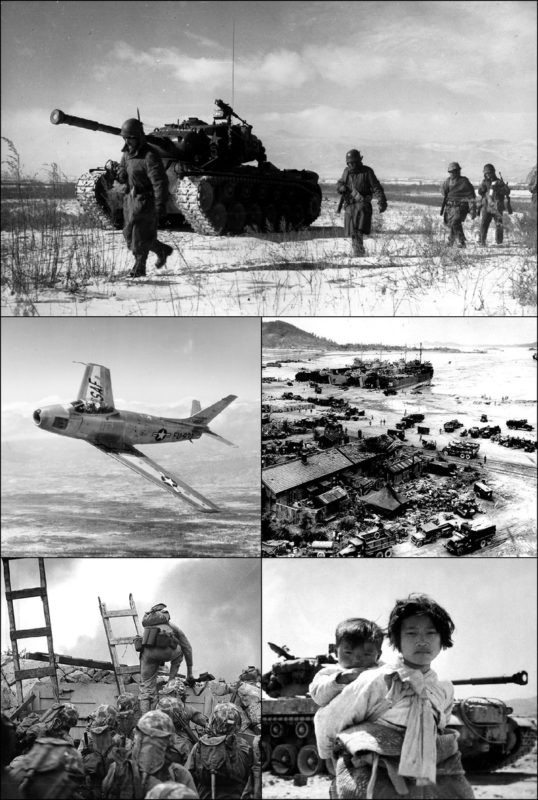
1950: War in Korea
Open hostilities began between Communist North Korea and the Republic of Korea in the South. There had been constant tension in the country since the end of WWII, when the USSR established a puppet government in the Russian-controlled sector and militarised the line of the 38th parallel. A United Nations commission was established to oversee free national elections, but North Korea refused to allow the delegates in. On August 15, 1948, the Republic of Korea was proclaimed in the south and Syngman Rhee was elected President. This was followed on September 9 by the formal establishment of the Democratic People’s Republic in the north. Unrest, subversion and border incidents began almost immediately and the clash seemed inevitable. The North Korean army and air force totalled some 127 000 men, while the South Korean army numbered approximately 98 000.
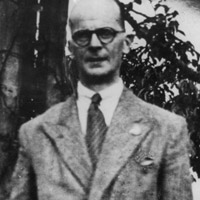
1953: John Christie is sentenced to death for the murder of four women, the bodies of whom he had kept in his home at 10 Rillington Place in west London.
1962: Sophia in bigamy battle
Italian film actress Sophia Loren is to be tried for alleged complicity in bigamy. The act of indictment was filed by the enquiring magistrate before a Rome tribunal. Miss Loren married her husband, film producer Carlo Ponti, at Ciudad Juarez, in Mexico, six years ago. The problem facing the couple was that Mr Ponti’s previous marriage was considered still valid. There was no divorce in Italy and Italian law did not recognise divorce obtained abroad by Italian citizens.
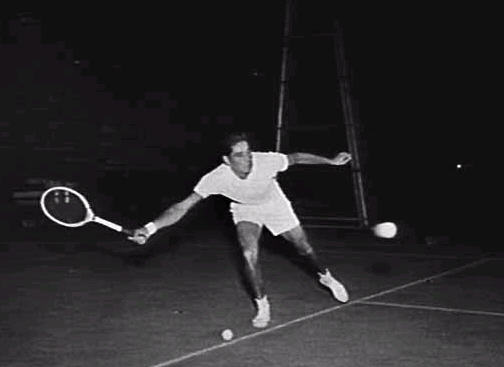
1969: Pancho Gonzalez and Charlie Paserell play the longest ever singles match at Wimbledon, which lasts five hours and 12 minutes.
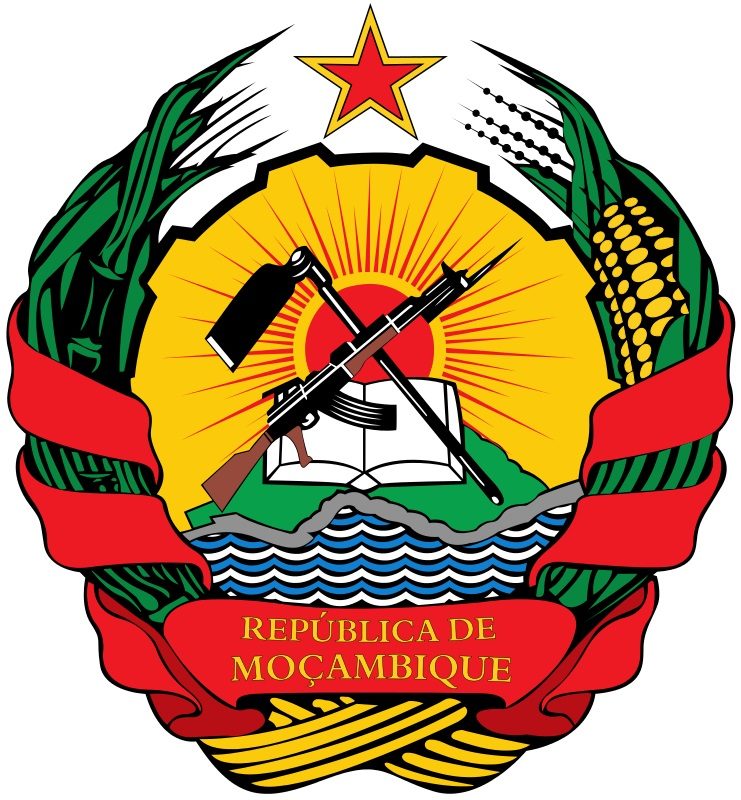
1975: Mozambique gains independence after four centuries of Portuguese rule.
1976: Death of Johnny Mercer, American composer, lyricist and singer who wrote Broadway and Hollywood musicals including ‘Seven Brides for Seven Brothers’.
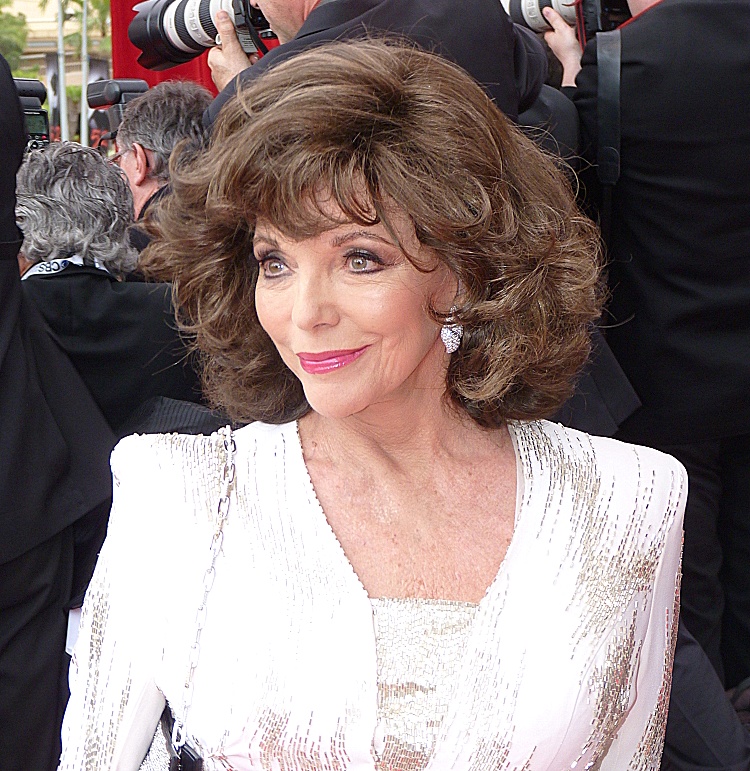
1987: Joan Collins obtains a 45-second divorce from Swedish husband Peter Holm.
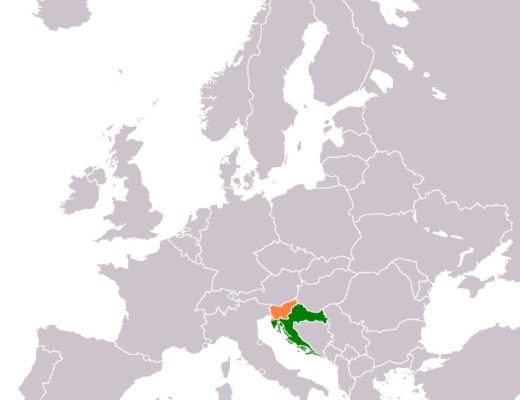
1991: Slovenia and Croatia declare independence
Yugoslavia plunged deeper into political crisis as Slovenia and Croatia declared their independence. Despite warnings from the EC and the US that they would not be recognised, the two key republics voted overwhelmingly to ‘disassociate’ from Yugoslavia, annul federal laws and gradually sever ties with the other republics. Croatian officials said that although the republic would consider itself part of Yugoslavia for the time being, it wanted to negotiate with other republics to form an alliance of sovereign states. Slovenia’s Interior Minister Igor Bavcar announced that a formal ceremony proclaiming independence was to take place the following day. Faced with the break-up of the country, Yugoslavia’s federal parliament called an emergency session and asked for army intervention to prevent any border changes. EC foreign ministers have agreed not to recognise the declarations of independence by the two republics and to freeze contact with their leaders.
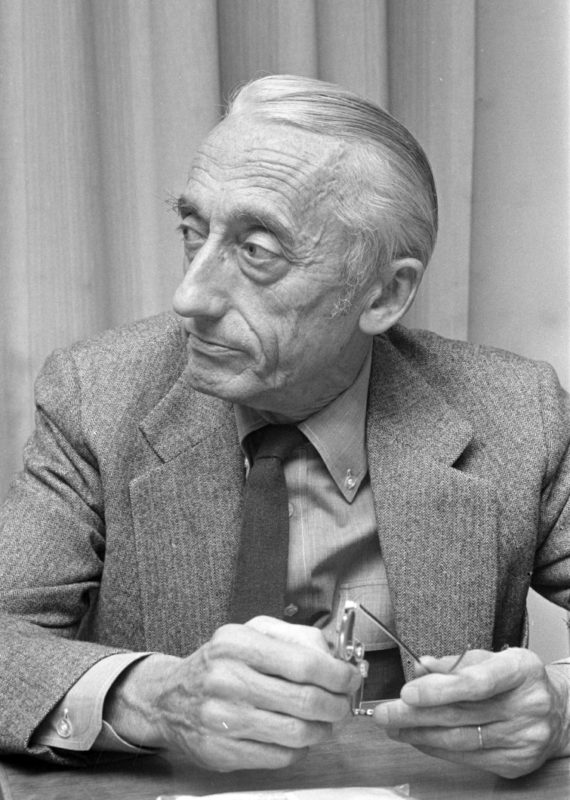
1997: Death of Jacques Cousteau, French underwater explorer and aqualung diver.
HAVE YOUR SAY
Like our Facebook page, follow us on Twitter and Instagram
For news straight to your phone, add us on BBM 58F3D7A7 or WhatsApp 082 421 6033