June 28: On This Day in World History … briefly
Interesting historic snippets and facts taken from the book ‘On This Day’ first published in 1992 by Octopus Publishing Group Ltd, London.

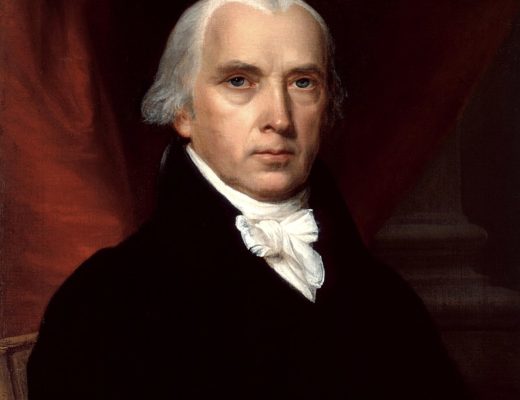
1836: Death of James Madison, fourth president of the United States whose influence at the Constitutional Convention that met in Philadelphia in 1787 to draw up the constitution, gained him the name of ‘father of the American constitution’.
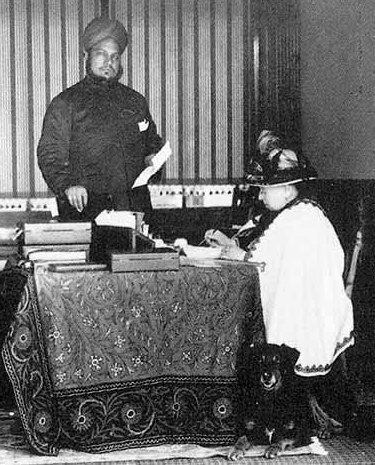
1838: Celebrating Victorious Victoria
From as early as 4am, crowds began gathering in the streets for Queen Victoria’s coronation in Westminster Abbey. By 10am the entire route was jam-packed and the atmosphere was one of excited jubilation. Victoria entered the Abbey wearing her parliament robes of crimson velvet trimmed with ermine and gold lace. The ceremony was not without hitches, however. One mistake was particularly appropriate in view of a legend about the Coronation Ring which says: ‘The Archbishop of Canterbury attempted to force the ruby ring onto her fourth finger but it had been made for the fifth.’
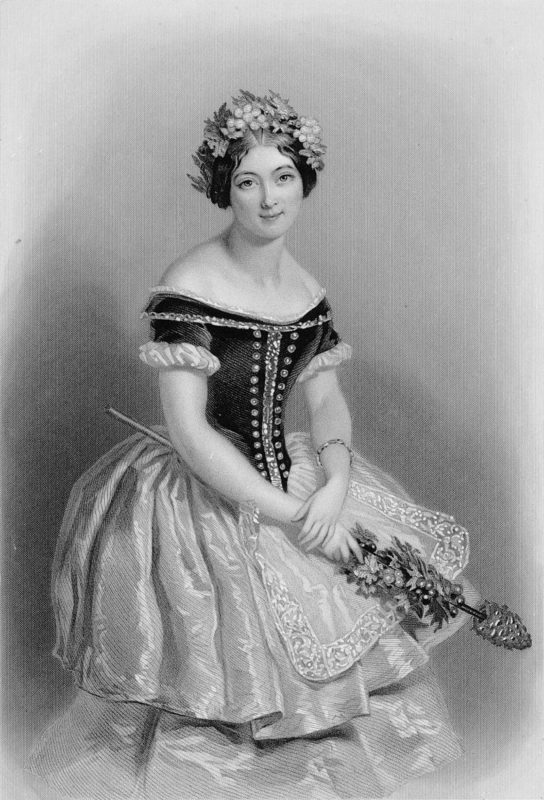
1841: The ballet ‘Giselle’ is premiered in Paris.
1844: Mormon murder
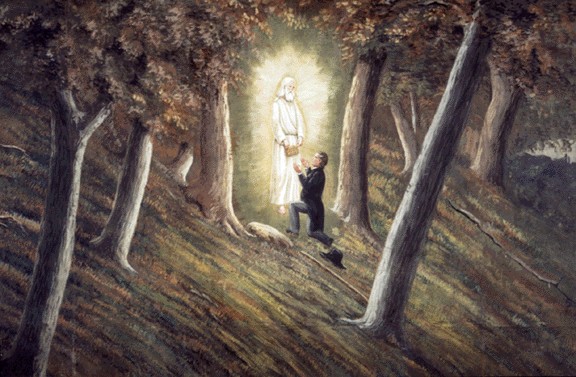
Joseph Smith, founder of the Mormon Church, and his brother Hyrum, were shot dead by a mob that burst into the prison where they were being held in Illinois. Both men had been in jail since the incident 21 days before when Smith, incensed by a sharp attack on him in a local paper, ordered the destruction of its press and sacking of its editor. Smith founded the church when a series of visions led him to claim that he had discovered golden tablets containing the sacred Book of Mormon. He was expected to be succeeded by Brigham Young, however, Sidney Rigdon, Joseph Smith III, James Strang and Alpheus Cutler all claimed succession – the succession is still a subject of dispute.
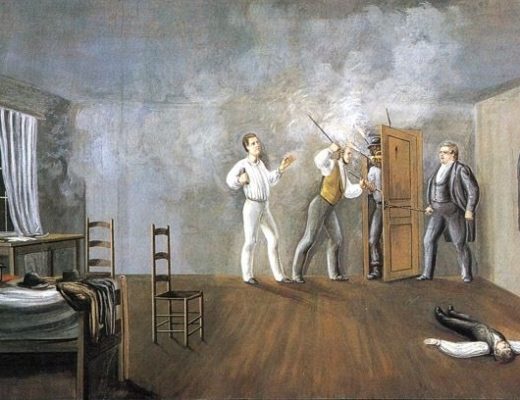
“No man knows my history … If I had not experienced what I have, I could not have believed it myself.” Joseph Smith – Mormon founder.
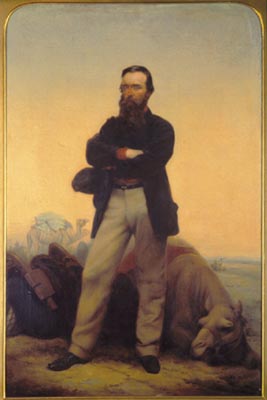
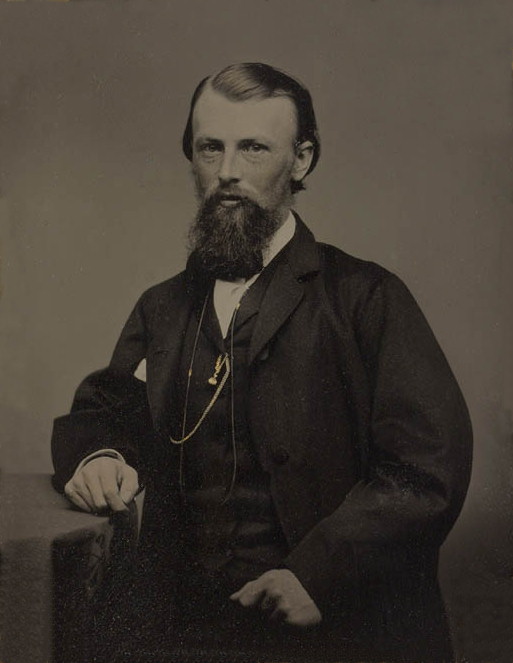
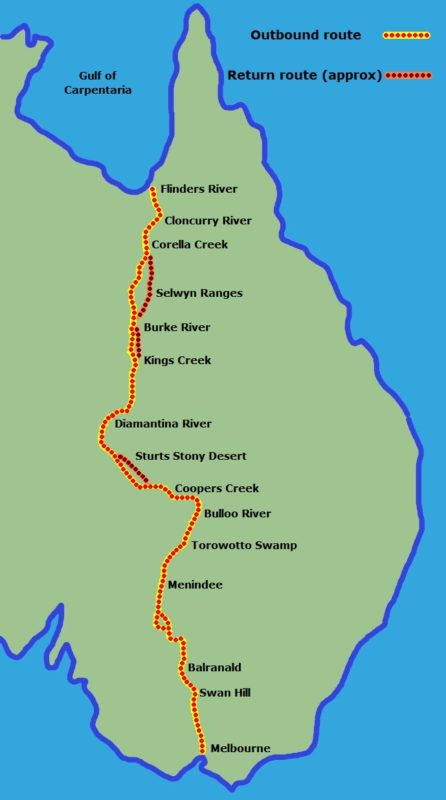
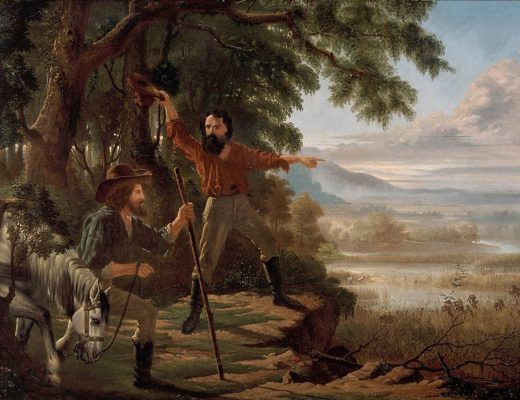
1861: Robert O’Hara Burke, Irish explorer of Australia, who, with WJ Wills, crossed the continent from north to south, dies of starvation on his return from the exploration of the mouth of the Flinders River.
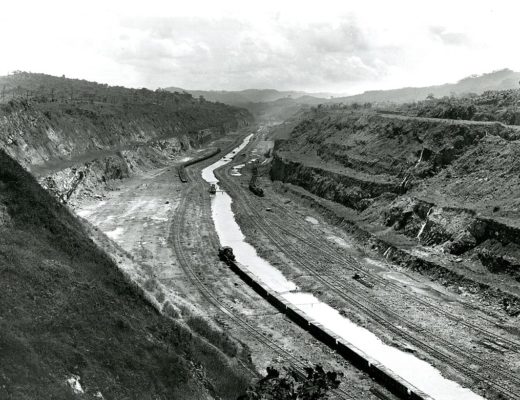
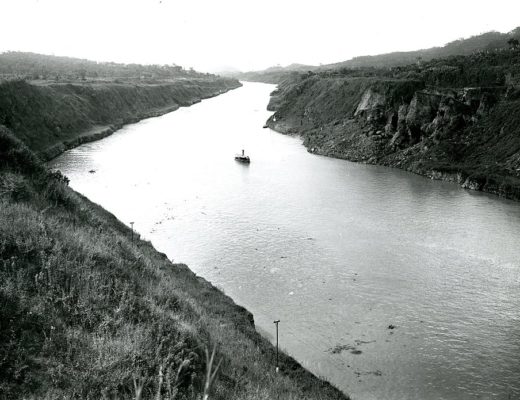
1902: The United States authorises the construction of the Panama Canal.
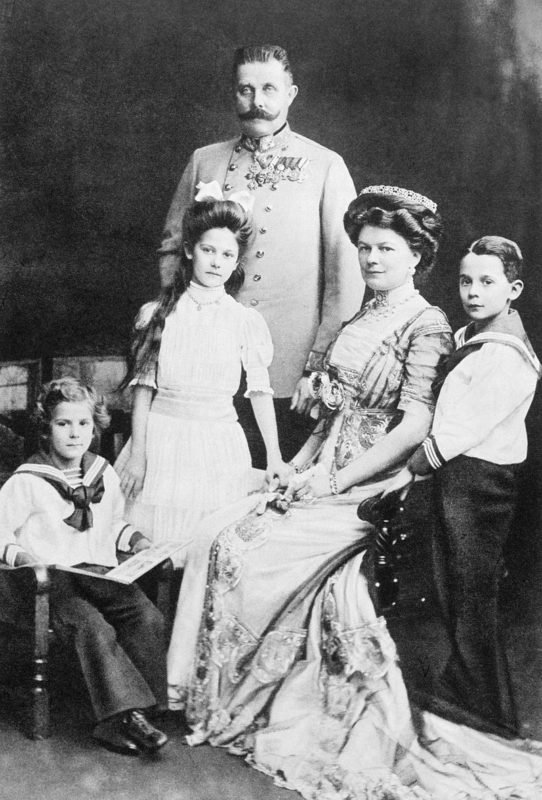
1914: In Sarajevo, a 19-year old student assassinates Archduke Franz Ferdinand, heir to the Austro-Hungarian throne, and his wife as they travel past him.
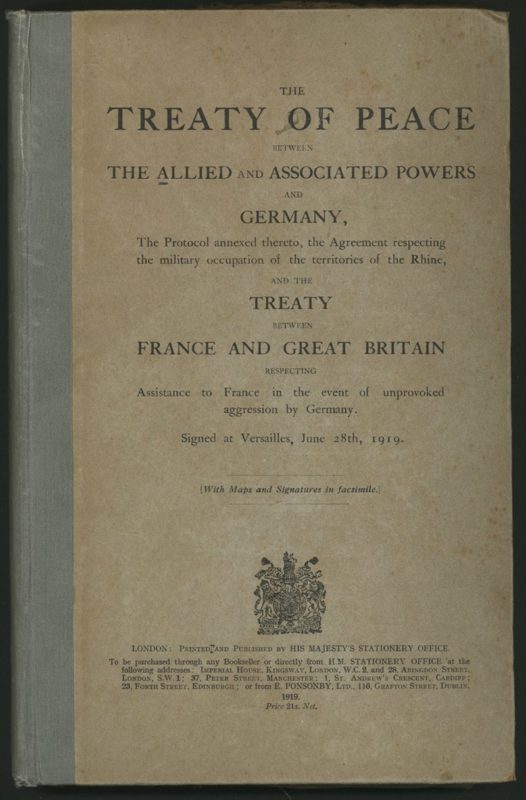
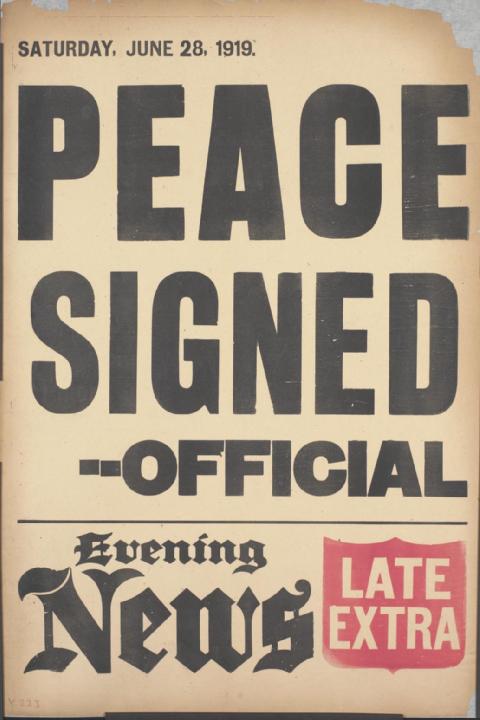
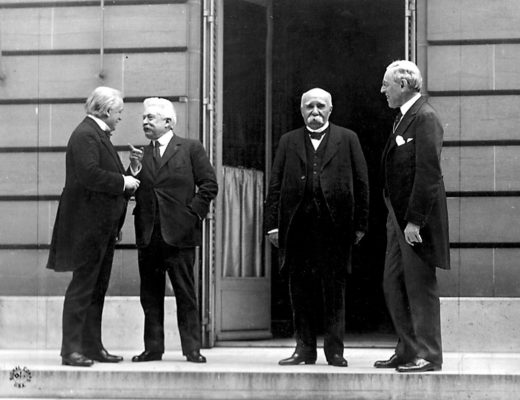
1919: Peace treaty signed at Versailles
The peace treaty officially ending four years of devastating war was finally signed by the humiliated Germans. The treaty was first presented to the six chief German delegates at the historic conference at Trianon Palace Hotel at Versailles on May 7, 1919. The Germans considered the terms excessively harsh – they include demands for massive reparations – and refused to sign, causing British Prime Minister Lloyd George to make a gloomy prediction of another war. The Germans however quickly changed their minds when threatened with an occupation by Allied troops.
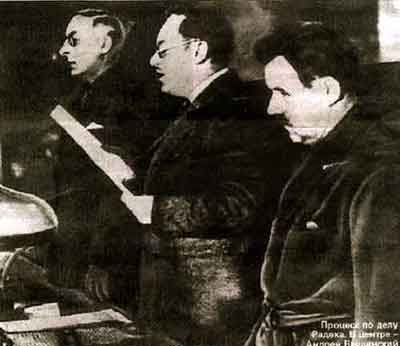
1937: In the Soviet Union, Joseph Stalin has 36 ‘confessed’ German spies shot.
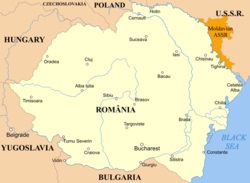
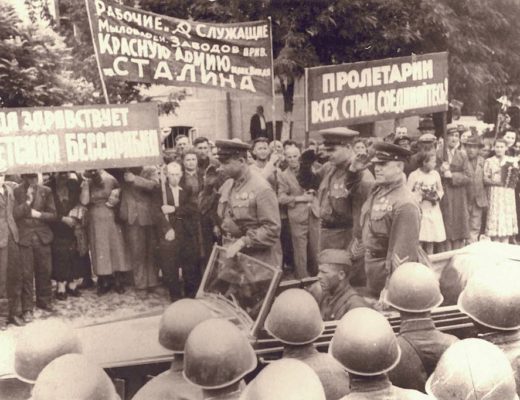
1940: The Russians seize Bessarabia from Romania.
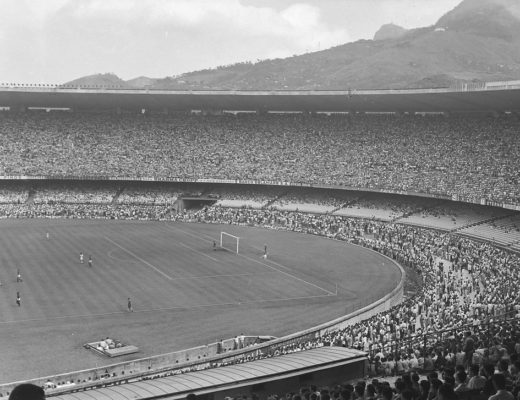
1950: The novice US football team beats Britain 1-0 in the first round of the World Cup in Brazil.
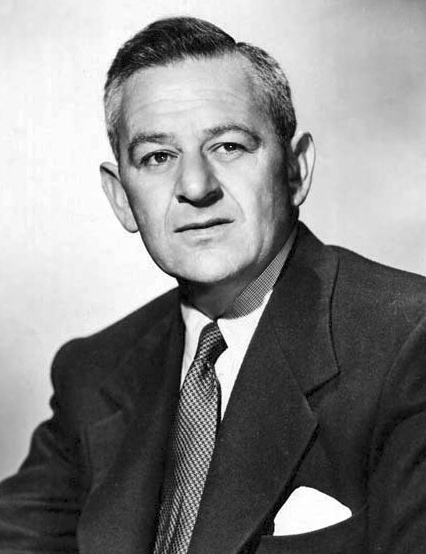
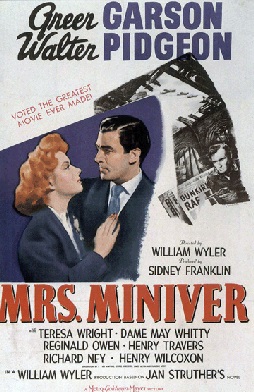
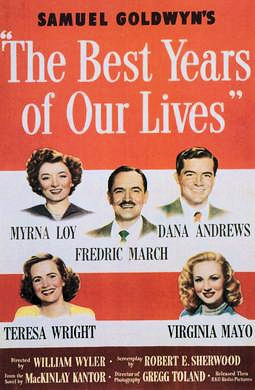
1961: Death of William Wyler, American film director who won Oscars for ‘Mrs Miniver’ and ‘The Best Years of Our Lives’.
1976: British soldiers of fortune to die in Angola
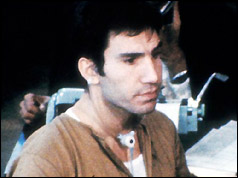
Three British mercenaries were sentenced to death by the People’s Revolutionary Tribunal in Luanda for their part in Angola’s civil war. The men who awaited their end were Andrew McKenzie, John Barker and Costas Georgiou (known as ‘Colonel Callan’, originally from Cyprus). A 34-year old American and father of four young children, Daniel Gearhert was also sentenced to death with them. Judge da Silva described Gearhert as a ‘highly dangerous character’, who advertised himself as a mercenary in the American magazine ‘Soldier of Fortune’. Judge da Silva also accused Britain and the United States of complicity in recruiting private armies ‘to bring down black Africa’s revolutionary governments’.
1988: The longest trial ever held in Spain comes to an end after 15 months during which 1 500 witnesses are cross-examined to try to establish guilt in the selling of toxic olive oil that killed 600 and left thousands more maimed.

1990: Horses with nappies
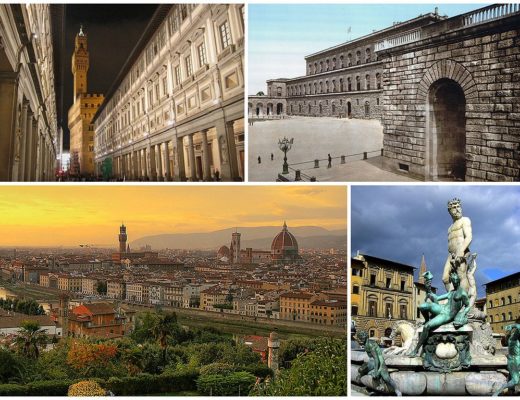
At this time of year the picturesque streets of Florence were hot, overcrowded and littered with horse manure. To prevent this fouling of public thoroughfares, authorities decreed that all horses within municipal limits had to wear underwear. The ordinance would affect the 19 horse-drawn carriages known as ‘fiacchiere’. “Just think how ugly the horses will look wearing nappies full of ‘merd’,” one driver told an Italian newspaper.
1990: Chukka fracture
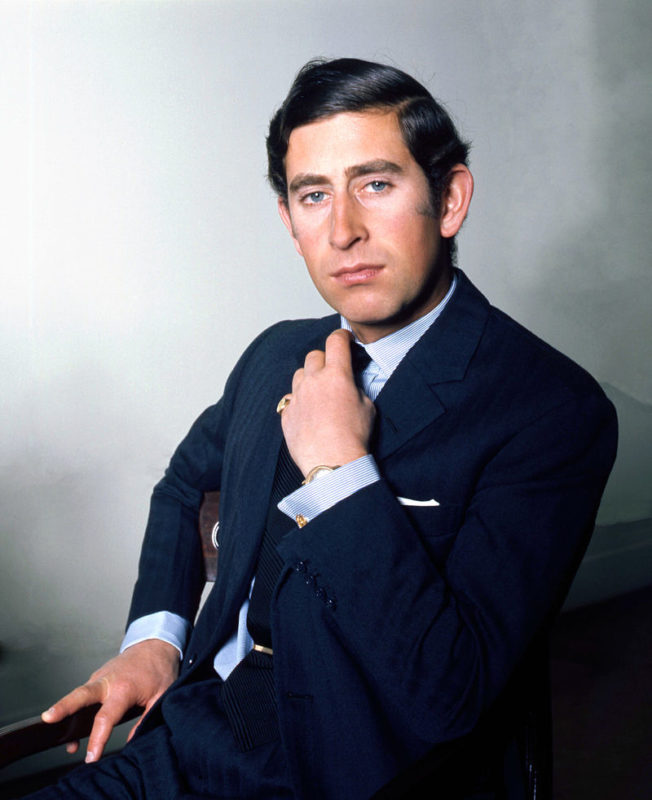
Prince Charles broke his arm in two places when he fell from his pony during a polo match at Cirencester Park, Gloucestershire. He was taken to Cirencester Hospital and later underwent an operation for a bad fracture just above the right elbow. Earlier he received a visit from King Constantine of Greece, a close friend. The Princess of Wales cut short a visit to the opera and arrived at her husband’s bedside just before midnight.
HAVE YOUR SAY
Like our Facebook page, follow us on Twitter and Instagram
For news straight to your phone, add us on BBM 58F3D7A7 or WhatsApp 082 421 6033