June 29: This Day in World History … briefly
Interesting historic snippets and facts taken from the book ‘On This Day’ first published in 1992 by Octopus Publishing Group Ltd, London.
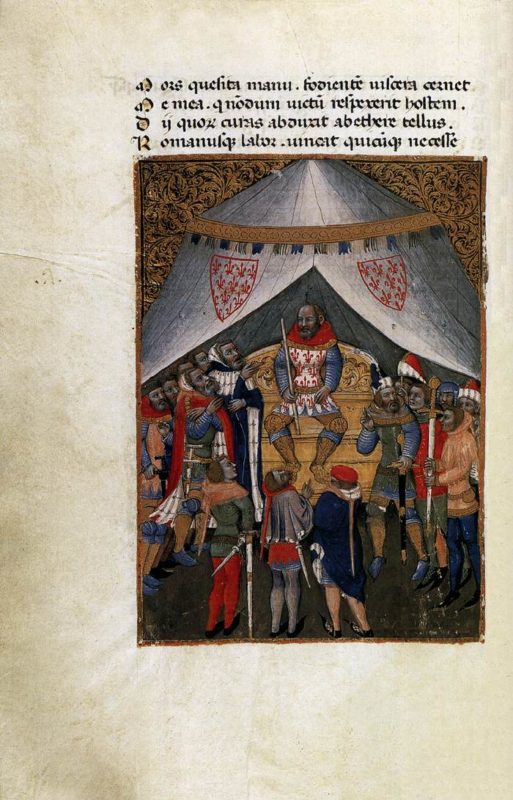
48 BC: Julius Caesar defeats his brother-in-law and former ally Pompey at Pharsalius and thus becomes absolute ruler of Rome.
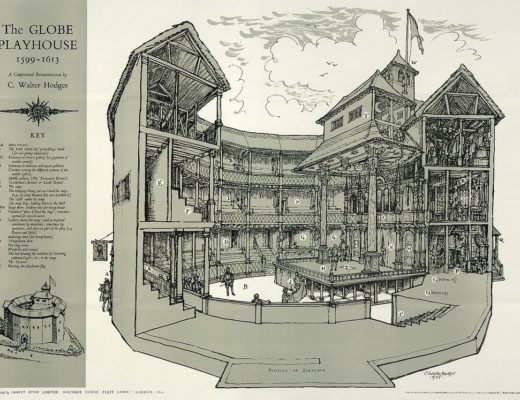
1603: The Globe Theatre in London burns down as a cannon is fired for the king’s entrance in Shakespeare’s ‘Henry V’.
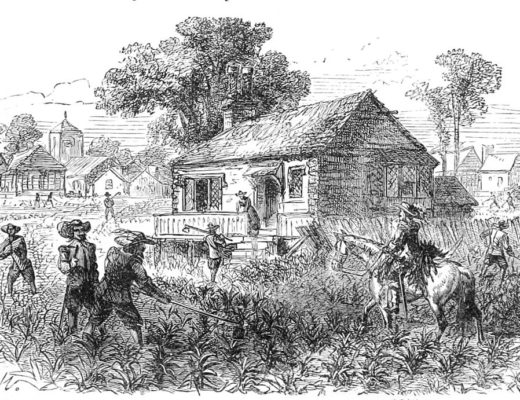
1620: ‘Tobacco treat’ for Virginia
The UK government bans the growing of tobacco in Britain. A tobacco-growing monopoly was instead granted to the colony of Virginia, at a tax of one shilling per pound. Colonists had for some time used the leaf as their main exchange commodity in return for manufactured goods from Europe. ‘Nicotania tabacum’, named after the French ambassador to Lisbon who is said to have sent seeds to Catherine de’ Medici, is of American origin, smoked by the Indians. But King James I of England denounces it as a health hazard in 1604.
1801: The first census is carried out in Britain.
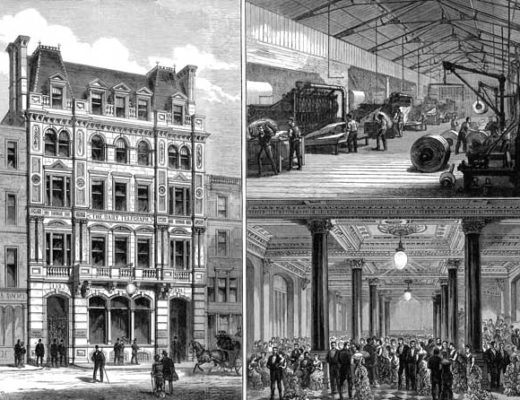
1855: The ‘Daily Telegraph’ is first published in Britain.
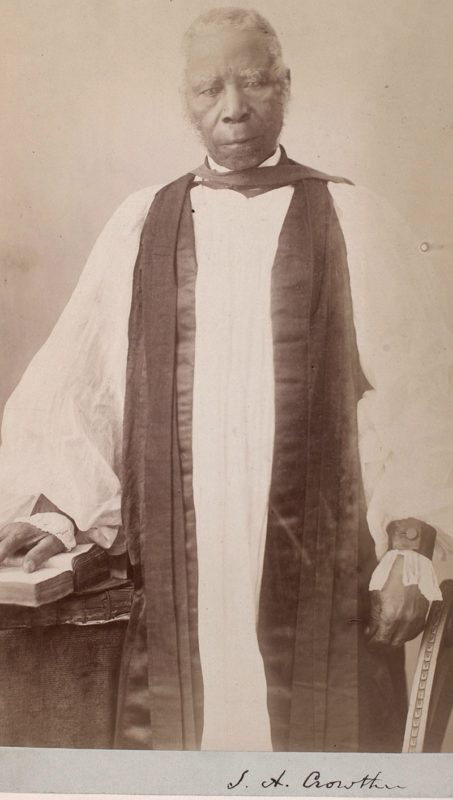
1864: Samuel Crowther, Bishop of Niger, becomes the first black Church of England bishop.
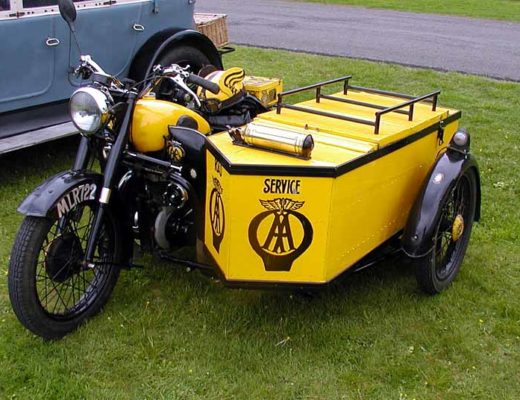
1905: The Automobile Association is founded in Britain.
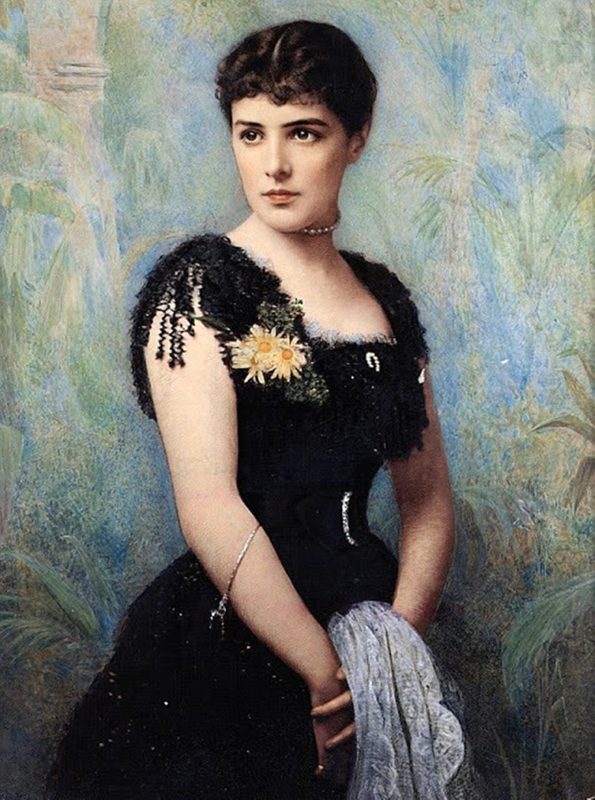
1921: Death of Lady Randolph Churchill, American mother of Winston Churchill.
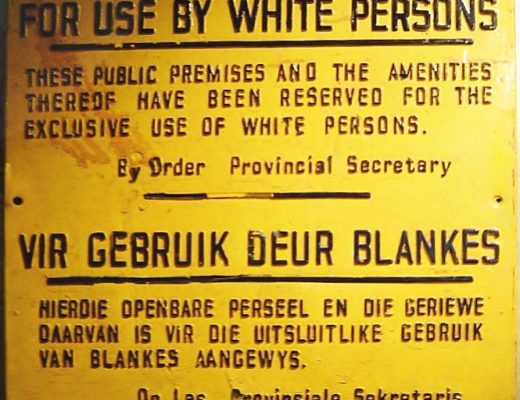
1925: South Africa imposes new racist laws
The South African government adopts racial inequality as a political policy, passing an act which bars black South Africans from holding skilled or semi-skilled jobs. Job inequality between blacks and whites has its roots in the gold-mining industry of the last century when mining bosses had an almost limitless pool of cheap, unskilled labour in the native population. Skilled labour however had to be attracted from overseas by the lure of high wages. Although by the 1900s the blacks had acquired the necessary skills for promotion and would still have been cheaper to employ, white employees refused to be ousted from their positions. In 1922, a move by the Chamber of Mines to reduce inequality and cut white wages met with a storm of violent protest. The white lobby proved too powerful for the government to ignore and this legislation would be the first of many new laws, making the rise of a new, systematic oppression of the majority black population.
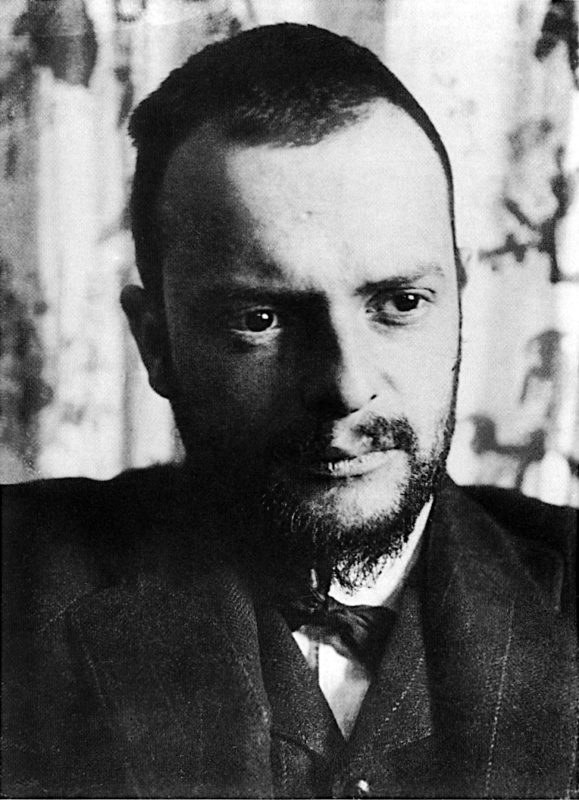
1940: Death of Swiss painter and graphic artist Paul Klee, individual 20th century artist.
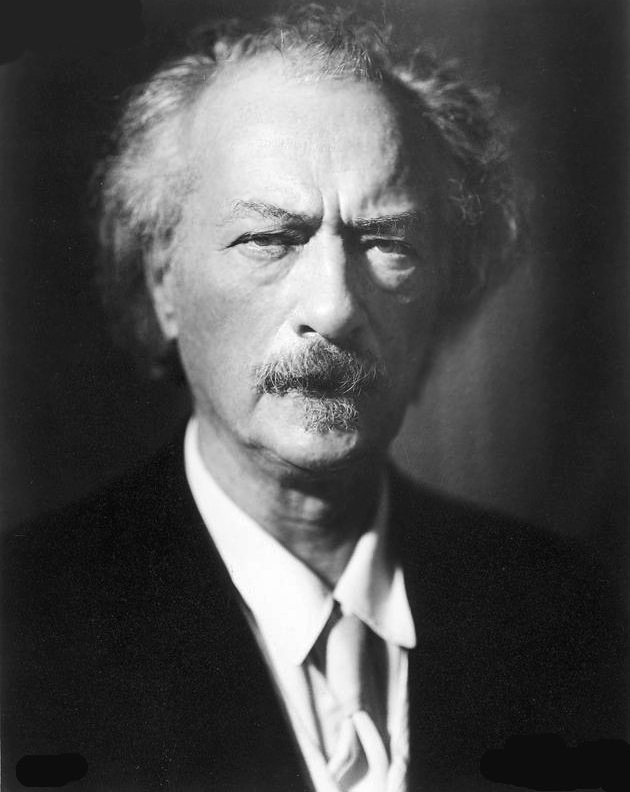
1941: Polish pianist, composer and statesman Paderewski dies.
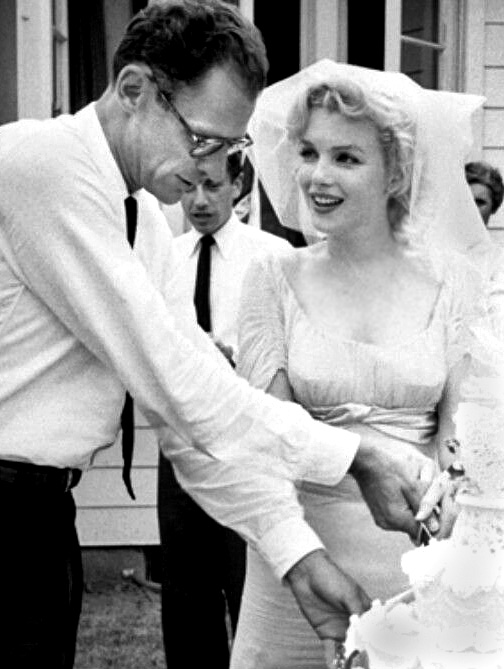
1956: American playwright Arthur Miller marries Marilyn Monroe.
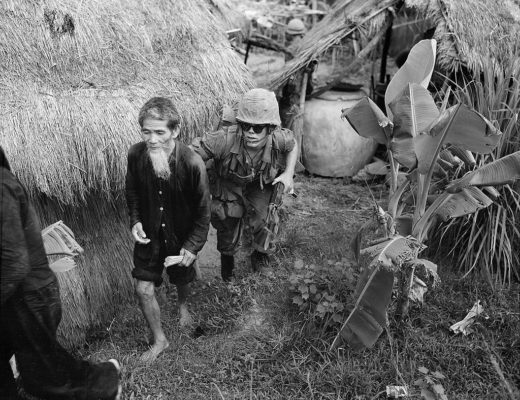
1965: The first US military ground action begins in Vietnam.
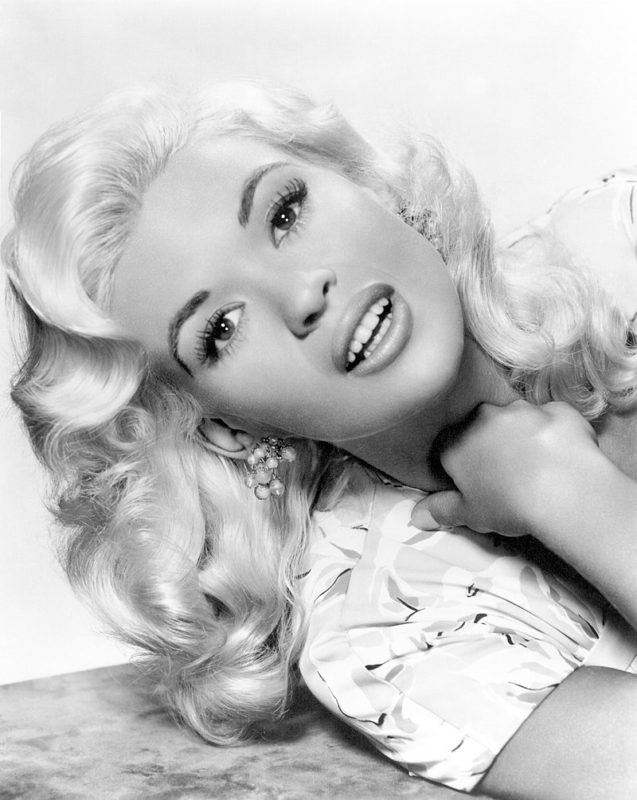
1967: American actress Jayne Mansfield is killed in a car crash.
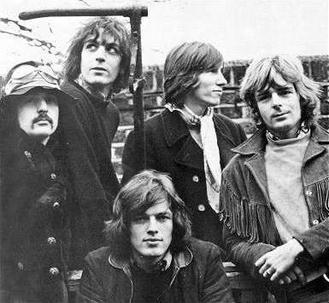
1970: Floyd headline at Hyde Park festival
Midsummer madness swept London’s Hyde Park as music fans flocked in their thousands to take part in a new phenomenon that recently hit Britain – the open-air rock festival. Massive festivals of this kind had been a feature of American youth culture for some time, but the idea only caught on in the UK in the last couple of years: the first British rock festival was staged at Woburn Abbey, home of the enterprising Duke of Bedford. A number of bands played in the day-long concert, but the main attraction was the progressive pop group ‘Pink Floyd’. As fans lazed on the grass, the strange and haunting strains of the band’s music floated over their heads and out into the city. With its experimental electronic sounds and loose musical structure, Pink Floyd’s music pushed beyond the boundaries of conventional pop, to become, some would claim, a new art form.
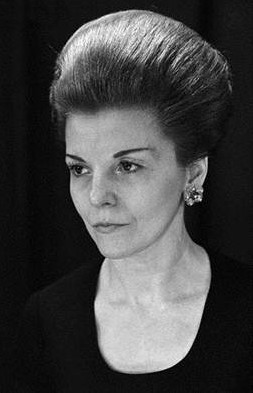
1974: Isabel Peron takes over the presidency of Argentina when her husband succumbs to illness.
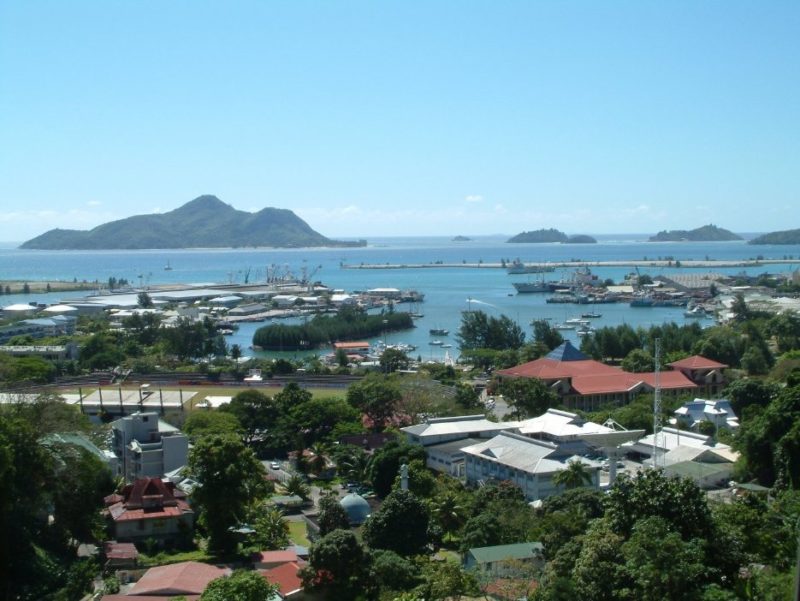
1976: The Seychelles becomes an independent republic.
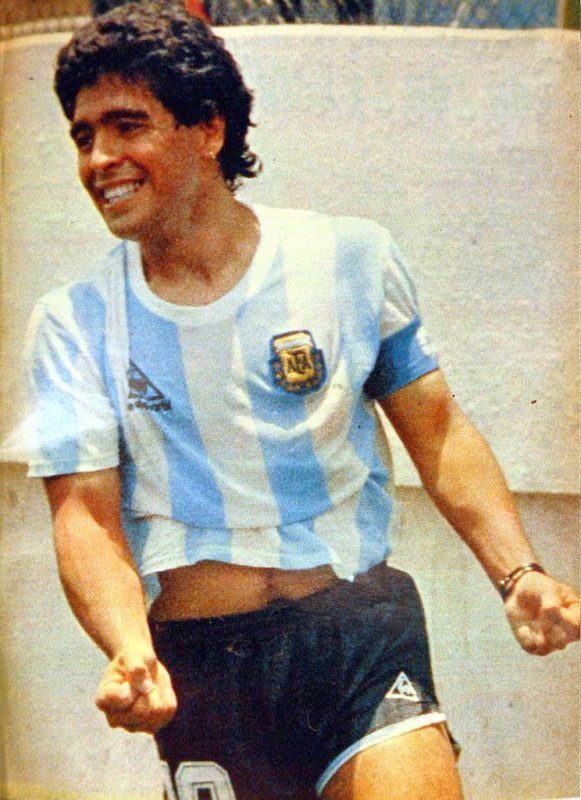
1986: Maradona on a roll
Argentina takes the World Cup – thanks to Maradona who was indirectly responsible for all the goals. The West Germans did their best to keep him in check with Matthaus marking Maradona, shoulder to shoulder, so closely attached that they might have been a honeymoon couple on the dance floor. It was a thrilling game and Maradona was the undisputed star of the show.
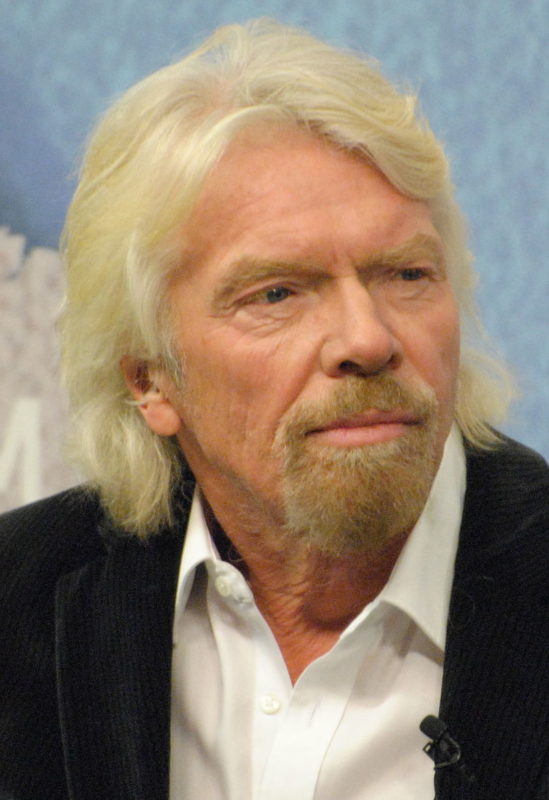
1986: Atlantic Conqueror
Pop and airline millionaire Richard Branson and the crew of Virgin Atlantic ‘Challenger II’, beat the Atlantic crossing record by slicing two hours and nine seconds off the time set in 1952. They arrived at Bishop’s Rock lighthouse, off the Scilly Isles, at 7.30pm.
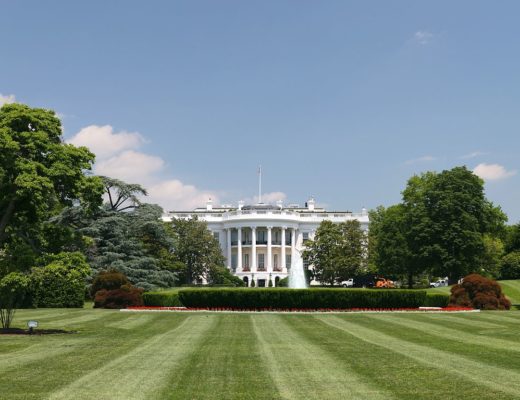
1989: White House rocked by rent boy scandal
It was revealed that federal investigators uncovered a homosexual prostitution and blackmail ring, whose client list included military officers and leading members of Washington’s political elite, one of the ring’s clients took two male prostitutes on a night tour of the White House. The call-boy network, ‘Professional Services’, was run under the guise of a funeral home and payments for sex were entered as ‘cremation urn’ or ‘prayer cards’. Officials in the Bush and Reagan administration were implicated, as were former staff of Jimmy Carter.
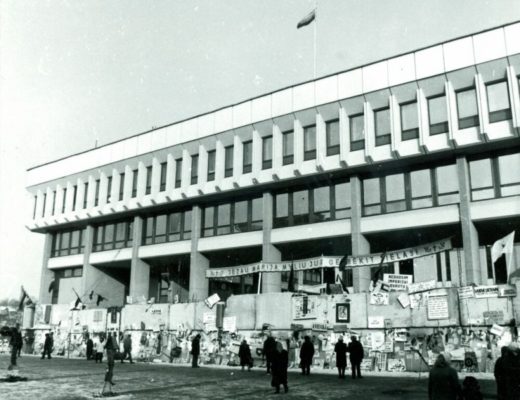
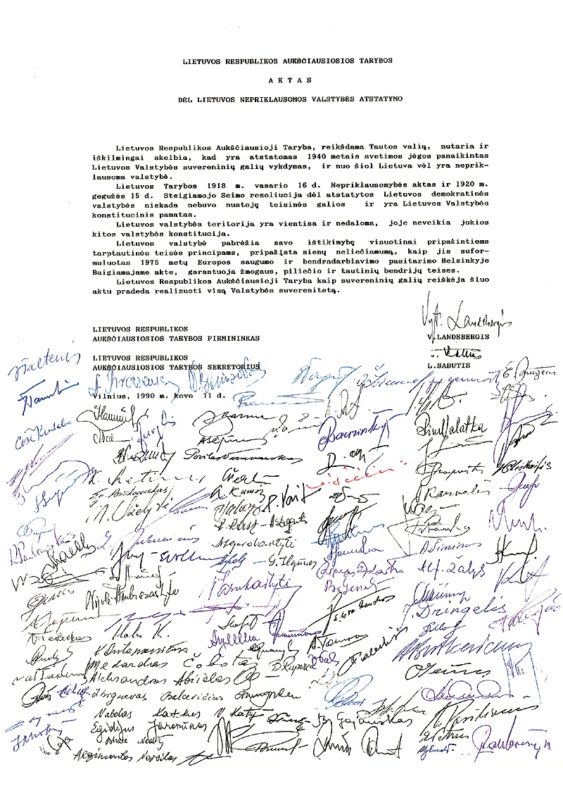
1990: Lithuania announces it will suspend its declaration of independence for 100 days.
HAVE YOUR SAY
Like our Facebook page, follow us on Twitter and Instagram
For news straight to your phone, add us on BBM 58F3D7A7 or WhatsApp 082 421 6033