July 1: On This Day in World History … briefly
Interesting historic snippets and facts taken from the book ‘On This Day’ first published in 1992 by Octopus Publishing Group Ltd, London.
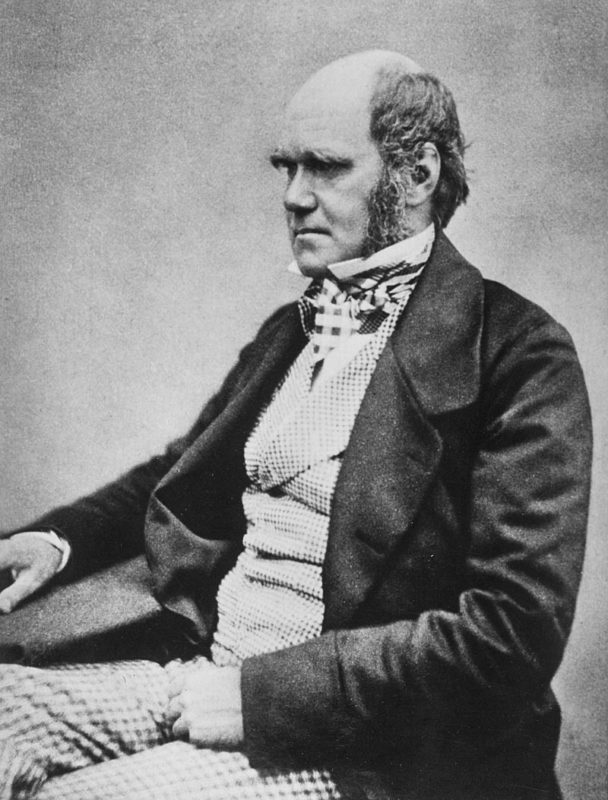
1858: Darwin presents theory of evolution
Amidst controversy, eminent British scientist Charles Darwin presented his views on evolution and the principles of natural selection to the Linnean Society in London. Churchmen are concerned that Darwin’s theory refutes the Book of Genesis, scientists are sceptical because his ideas seem to dismiss the work of Lamarck. Darwin has based much of his work on observations made while serving as a naturalist on HMS Beagle between 1831 and 1836. During this time his observations convinced him that species evolved gradually and that natural selection is responsible for changing the genetic constitution of a special in favour of particular genes carried by successful individuals. Almost pipped to the post by naturalist Alfred Russell Wallace, who holds similar views on evolution, Darwin presented his findings in the nick of time.
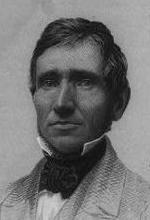
1860: Death of American inventor Charles Goodyear, pioneer of rubber processing.
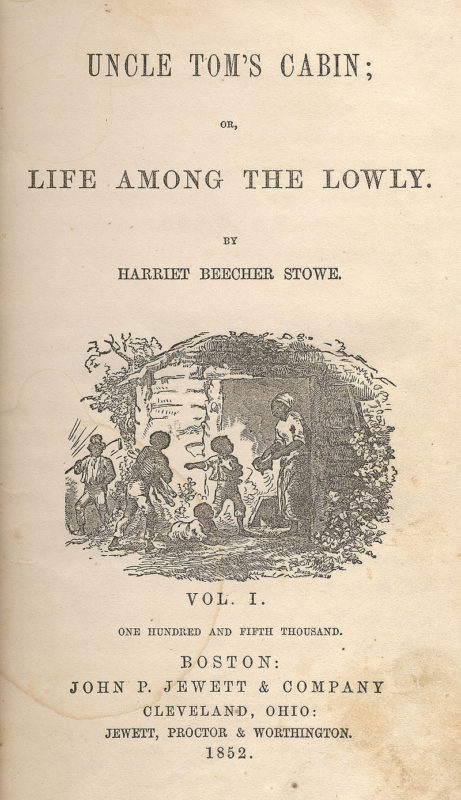
1896: Death of Harriet Beecher Stowe, the American author of the anti-slavery novel ‘Uncle Tom’s Cabin’.
1898: China leases New Territories to Britain
Britain acquired a 99-year lease to the New Territories on mainland China in a continuing drive for trade dominance in the region. Currently in possession of Hong Kong island and the Kowloon Peninsula as a consequence of the two Opium Wars, this latest acquisition would further enhance Britain’s standing as a major trading partner in the region. The wars forced open Chinese ports to British trade, particularly trade in opium from British India, which is used to pay for porcelains, silks and teas purchased from China. After the first Opium War (1840-42), Britain acquired Hong Kong under the Treaty of Nanking and at the end of the second Opium War in 1860, acquired the Kowloon Peninsula under the Peking Convention. The new territories however, had to be returned to the Chinese government after 99 years.
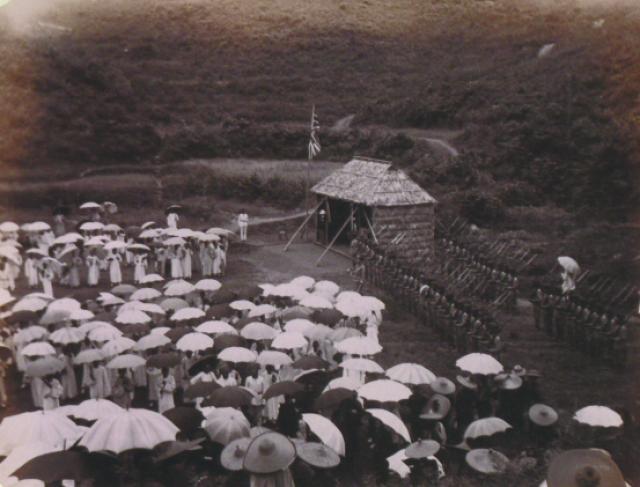
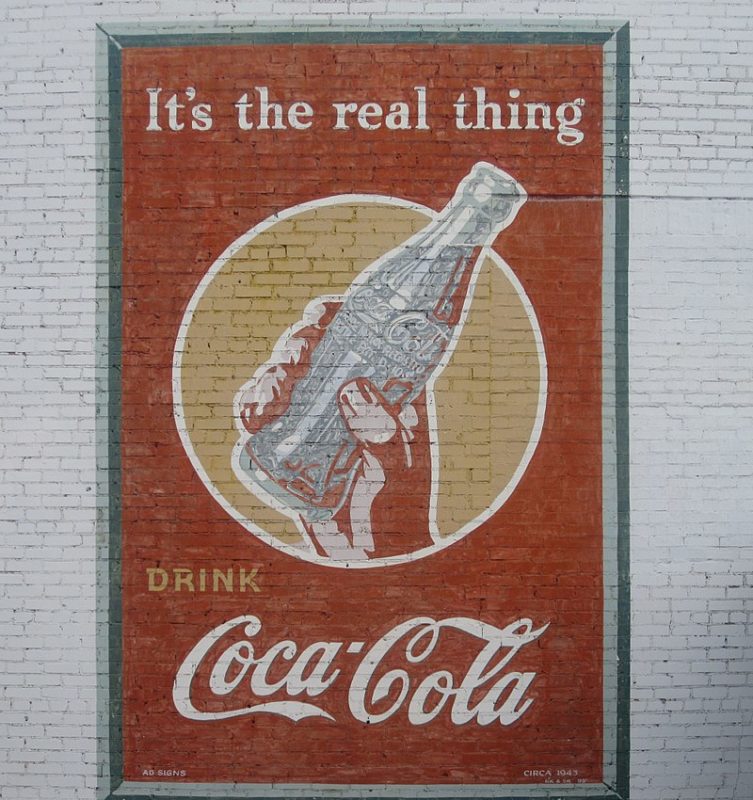
1916: Coca-Cola launches its distinctively shaped bottle.
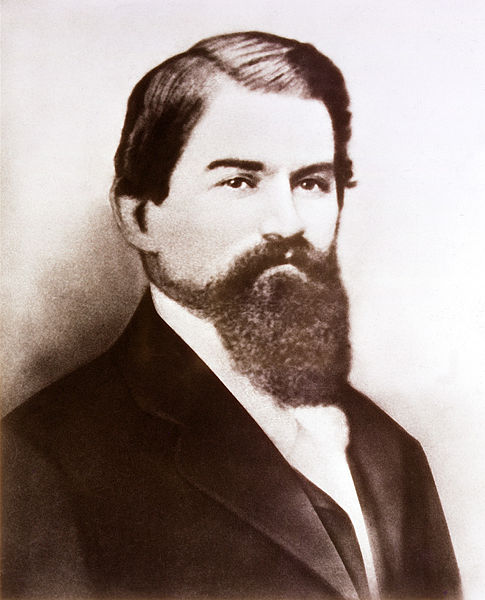
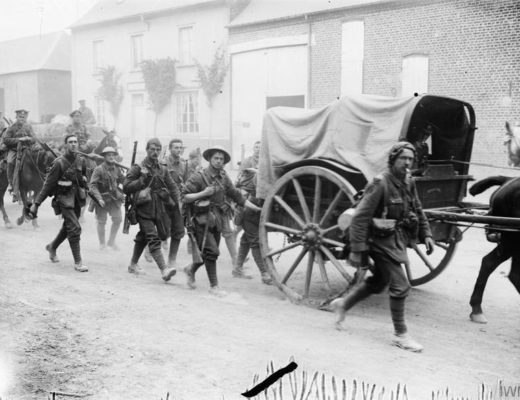
1916: The Battle of the Somme begins with heavy casualties.
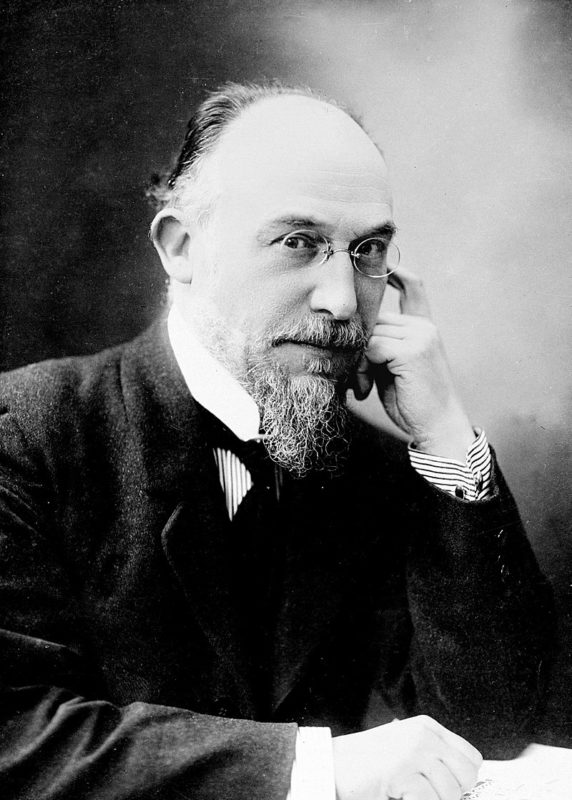
1925: Death of Erik Satie, the French composer notable for his eccentricity of the titles of his work.
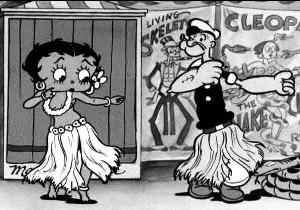
1929: The cartoon character Popeye first appears in the USA.
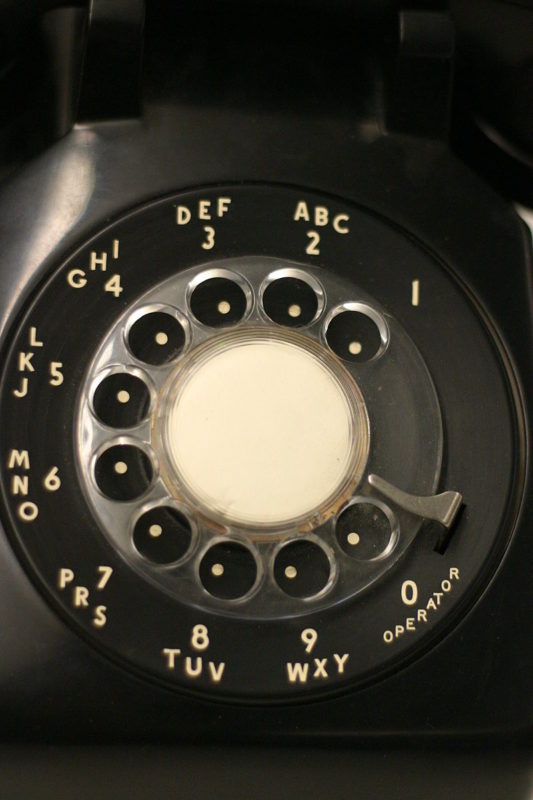
1937: The 999 emergency telephone call comes into force in Britain, the first of its kind in the world.
1941: The first-ever television commercial is shown on channel WNBT in New York, advertising a Bulova clock.
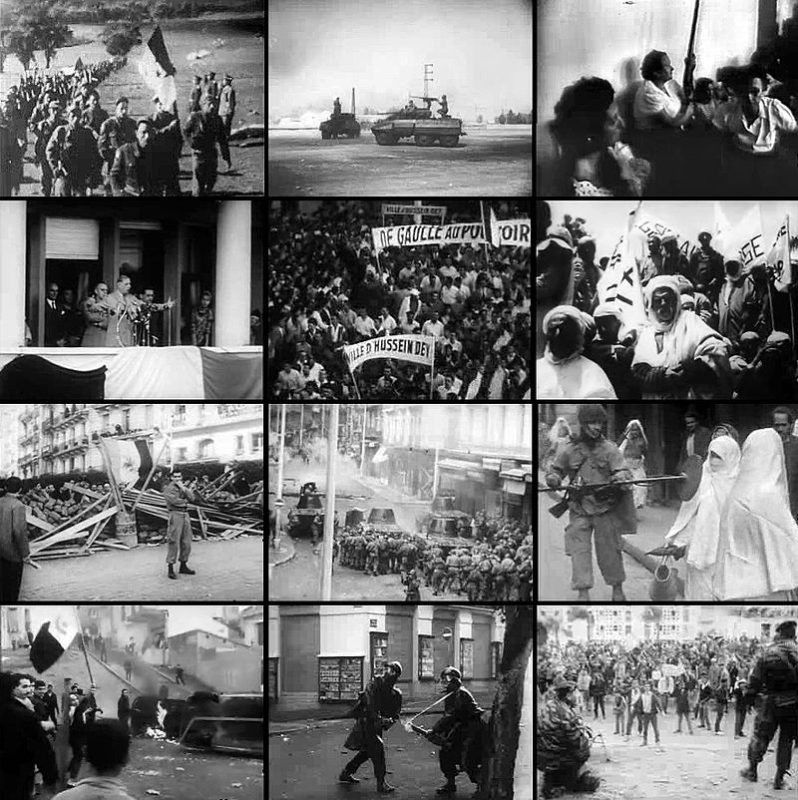
1962: War ends in Algeria
After eight years of war between the Algerian nationalist population and the French army and settlers and 132 years of French rule, Algeria looks set to gain independence. A referendum held in Algeria almost unanimously backed de Gaule’s independence plan. A ceasefire called in March prompted by the intensification of terrorist activity in the country between the French government and the National Liberation Front’s (FLN) provisional government to take place. In spite of the talks, acts of terrorism continued and a mass exodus of Europeans began as the prospect of a Muslim state became more likely. France is likely to hand over the reins of power to the leader of the FLN provisional government, Ben Khedda.
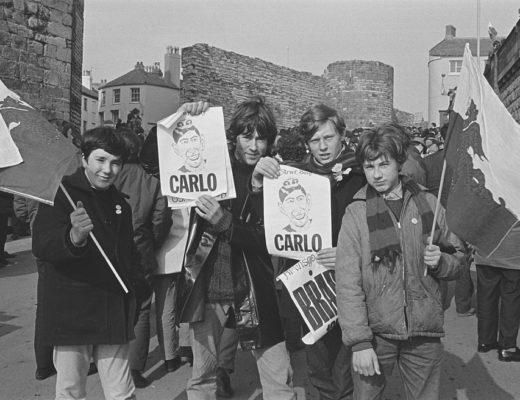
1969: Charles invested as Prince of Wales
Prince Charles, heir to the British throne, was invested as Prince of Wales by his mother Queen Elizabeth II at Caernarvon Castle, Wales. In preparation for his investiture, Charles spent a term at University College of Wales learning Welsh. The title is usually granted by the reigning sovereign to the heir apparent, but not automatically. Charles became Prince of Wales when he was ten years old – only now it is official. Once he becomes king the title will cease, until he bestows it on his son.
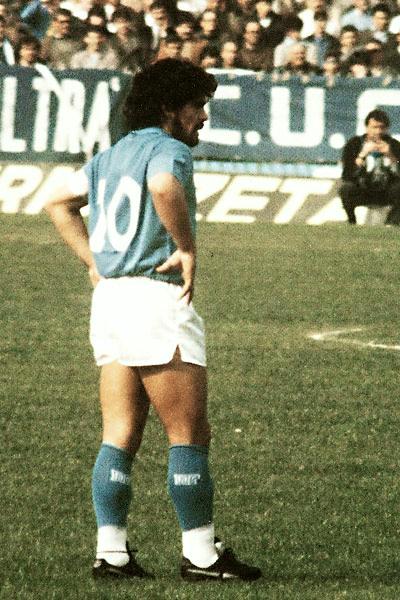
1984: Naples football club pays £1 million ($1.85 million) for Argentinian footballer Diego Maradona.
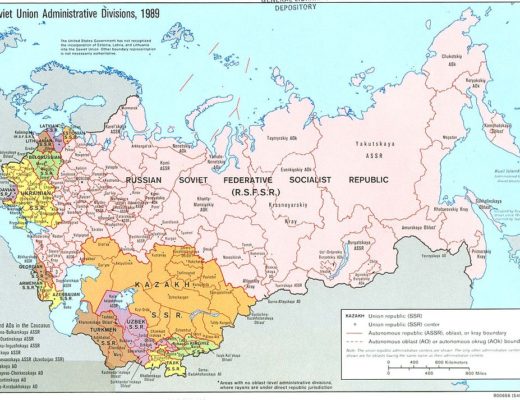
1989: Amidst a groundswell of nationalist feelings among a number of the Soviet republics, President Gorbachev announces on television throughout the USSR that he would not tolerate separatism. Independence movements were well advanced in the Baltic States and it was feared that other republics would follow suit, resulting in clashes with the Soviet army.
HAVE YOUR SAY
Like our Facebook page, follow us on Twitter and Instagram
For news straight to your phone, add us on BBM 58F3D7A7 or WhatsApp 082 421 6033