July 2: On This Day in World History … briefly
Interesting historic snippets and facts taken from the book ‘On This Day’ first published in 1992 by Octopus Publishing Group Ltd, London.

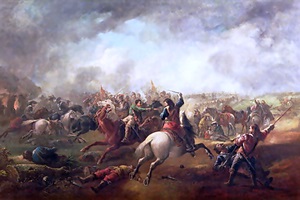
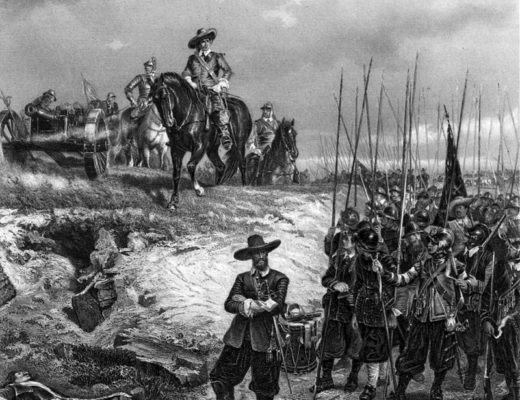
1644: In the English Civil War, the Battle of Marston Moor turns the tide in Oliver Cromwell’s favour.
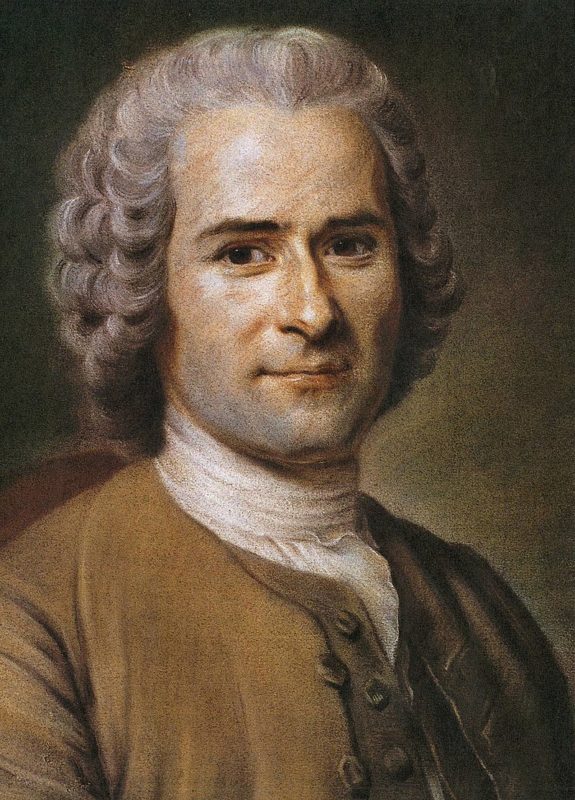
1778: Swiss-born French philosopher and writer Jean-Jacques Rousseau dies, insane.
“The first man who, having fenced in a piece of land, said ‘This is mine’, and found people naïve enough to believe him, that man was the true founder of civil society. From how many crimes, wars, and murders, from how many horrors and misfortunes might not any one have saved mankind, by pulling up the stakes, or filling up the ditch, and crying to his fellows: Beware of listening to this impostor; you are undone if you once forget that the fruits of the earth belong to us all, and the earth itself to nobody.” — Rousseau 1754
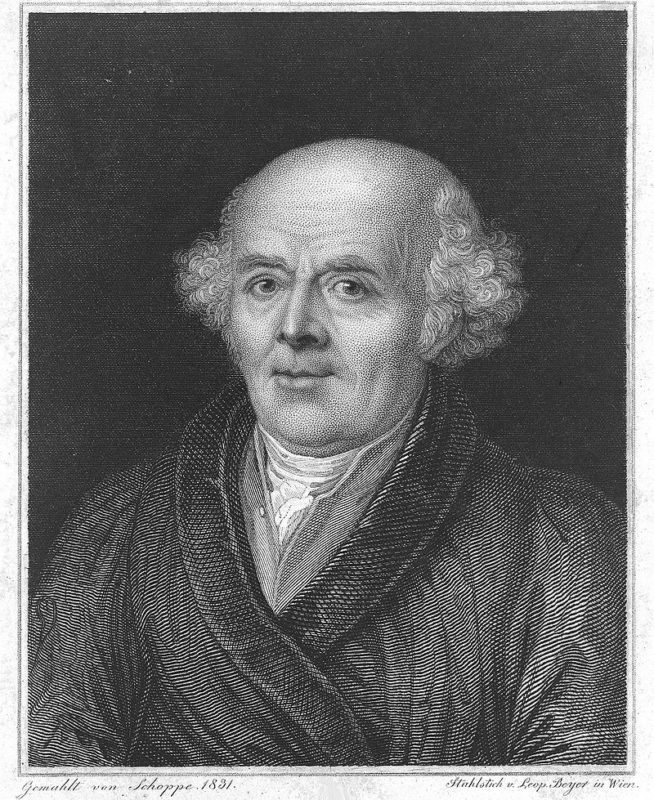
1843: Samuel Hahnemann, the founder of homeopathy dies in Paris.
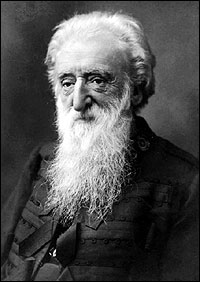
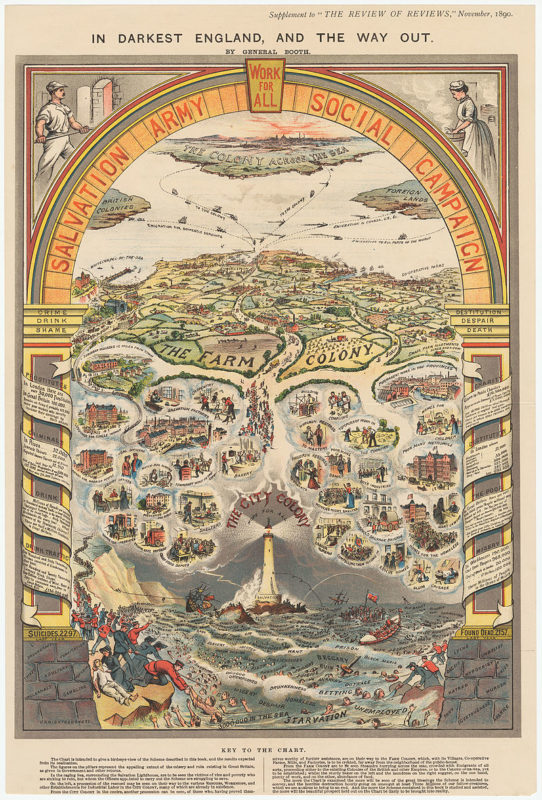
1865: William Booth establishes Christian ‘army’
British evangelist and itinerant preacher William Booth founded the Christian Mission in Whitechapel, one of London’s worst slums. Thirty-six year-old Booth from Nottingham had been a minister of the Methodist New Connection church for some years, but the church had been reluctant to accept his poor converts. As a result, he established his own mission along military lines, with military titles, hierarchy and uniforms. More than a Christian evangelical church, Booth’s ‘Salvation Army’ acted as a social service and reforming organisation for the most destitute members of society. He worked with his wife and public preacher Catherine.
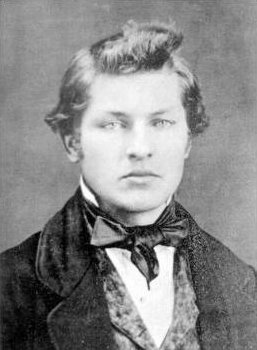
1881: US President James Garfield is injured by an assassin’s bullets.
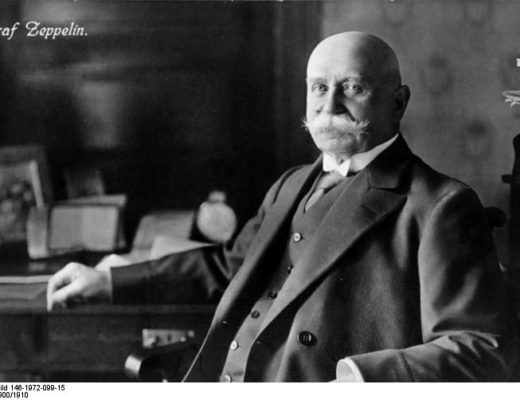
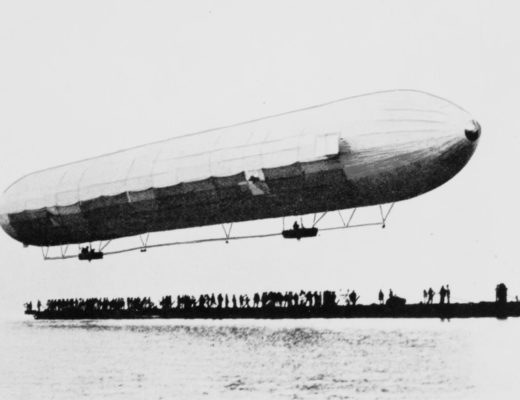
1900: First Zeppelin flight
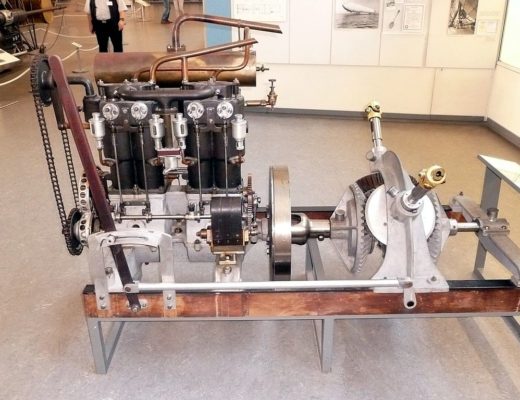
Aviation history was made in Germany as Count Ferdinand von Zeppelin flew his first airship (a dirigible balloon with a rigid frame named zeppelin after its inventor). A great pioneer of German aviation, Count von Zeppelin devoted himself to the study of aeronautics since he left the army in 1891. He began construction of his zeppelin in 1897. Although the dirigible concept was not a new one – a number of airships had been built by other designers based on the idea of a power-driven aircraft buoyed up by lighter-than-air gas, Zeppelin’s airship was the largest yet to be built. The 420ft (136m) LZ.1 flew for an hour and a quarter over Lake Constance driven by two 16hp Daimler engines reaching speeds of up to 20mph (32kph) before its steering gear seized up. Zeppelin was hailed as a great master of airship design and planned on setting up a factory to make the airships at Friedrichshafen, but because funding was exhausted, von Zeppelin had to dismantle the airship, sell the scrap and tools and liquidate the company.
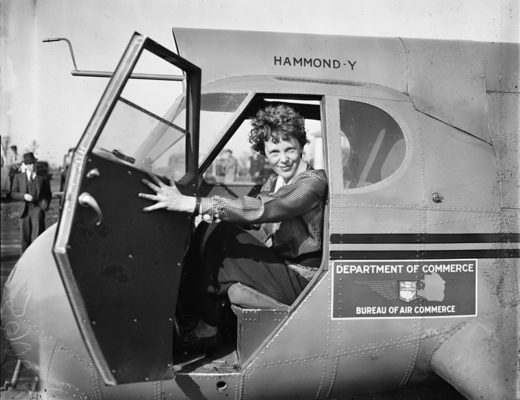
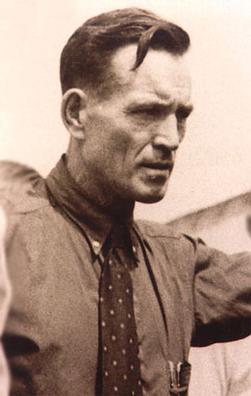
1937: American pilots America Earhart and Fred Noonan take off from New Guinea on their round-world trip, but fail to arrive at their destination, Howland Island in the central Pacific.
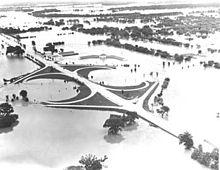
1951: The worst floods in US history leave 41 dead and 200 000 homeless in Kansas and Missouri.
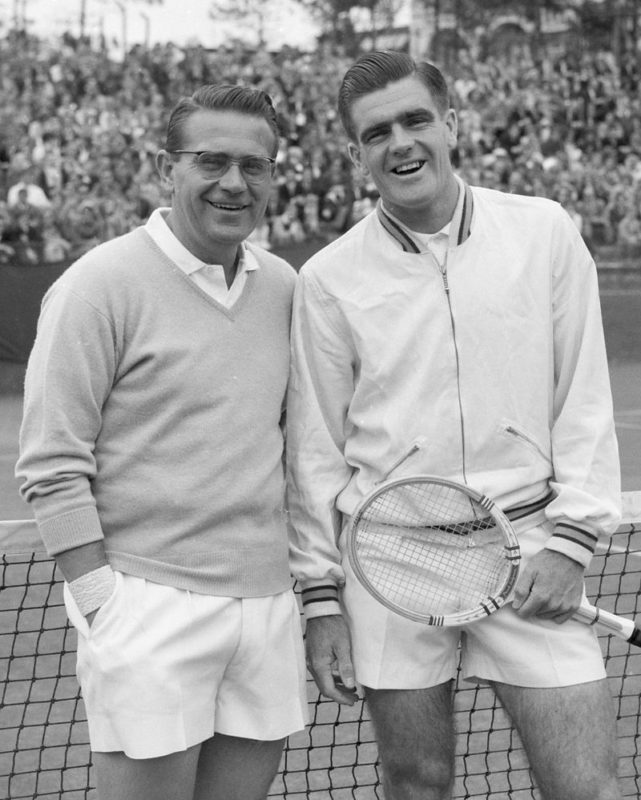
1954: Czech tennis player Jaroslav Drobny beats Australian Ken Rosewall to take the men’s singles title after the longest-ever Wimbledon final.
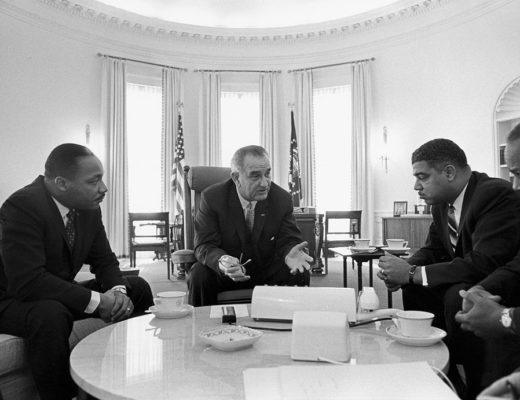
1964: President Johnson signs the US Civil Rights Bill, which prohibits racial discrimination.
1973: Betty Grable dies
Hollywood star and American GI pin-up Betty Grable dies. The bouncy blonde who was never at a loss for words reached the peak of her career in the 1940s with such films as ‘Tin Pan Alley’ (1940), ‘Moon over Miami’ (1941) and Coney Island (1943). Her legs were said to be her best feature, so like any sensible young woman taking care of her assets, Miss Grable insured them for a staggering figure of $200 000 (£108 700).

1976: Vietnam reunified
North and South Vietnam are reunified in the aftermath of the fall of Saigon and the tragedy of the Vietnam War. The division into separate states under the terms of the Geneva Convention (to ensure peace after the Indo-China War) 22 years before, resulted in continuous fighting and massive loss of life: the Communist Vietcong within South Vietnam attempted to seize power from the government, aided by North Vietnam and China. The US provided military support to the South Vietnamese government for a number of years and during the early 1960s their involvement increased and the war escalated. The bloody war continued for many years at the cost of hundreds of thousands of military and civilian lives, devastating the countryside and laying waste to the economies of both countries with no definite winner or loser. The US, unpopular with Americans for its part in the war, withdrew in 1973 in the most humiliating political defeat in the most humiliating political defeat it had ever suffered. A peace treaty was signed between North and South Vietnam in the same year, but in March 1975, North Vietnam invaded South Vietnam and Saigon fell in April. The resulting Socialist Republic of Vietnam proclaimed today faces enormous economic and social problems.

1989: Austere, humourless minister dies
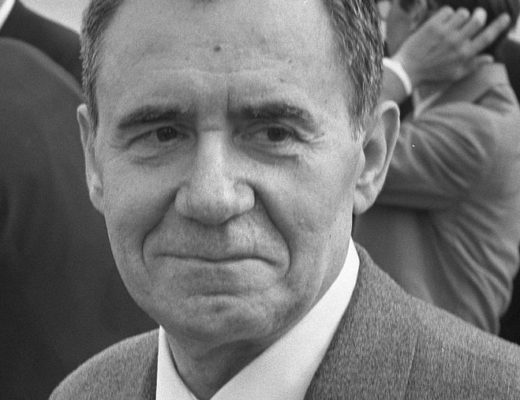
Russia’s longest-serving foreign minister Andrei Gromyko dies in Moscow aged 79. Foreign minister for 30 years, he was also president of the Supreme Soviet for three years. He became notorious in western and diplomatic circles for his austere and humourless manner, pursuing the Cold War relentlessly.
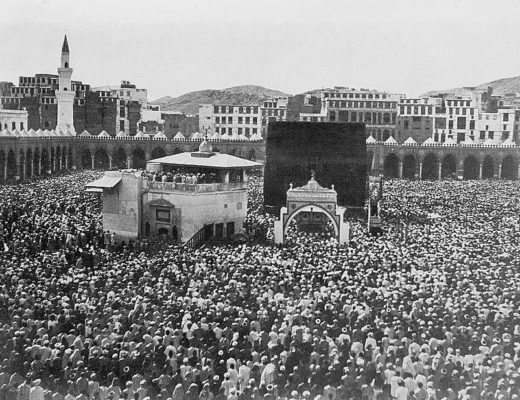
1990: A hundred Muslim pilgrims died of suffocation in a tunnel in the Holy City of Mecca.
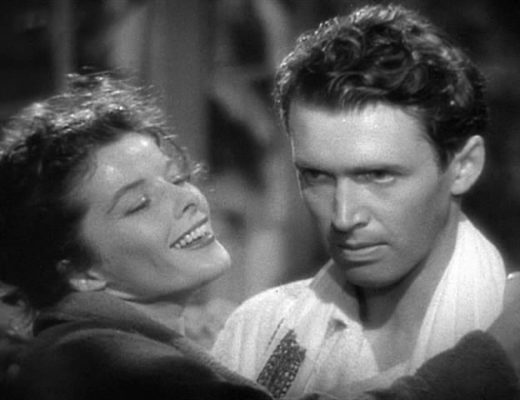
1997: Death of James Stewart, Hollywood screen idol who won an Oscar for his performance in ‘The Philadephia Story’.
HAVE YOUR SAY
Like our Facebook page, follow us on Twitter and Instagram
For news straight to your phone, add us on BBM 58F3D7A7 or WhatsApp 082 421 6033