July 17: On This Day in World History … briefly
Interesting historic snippets and facts taken from the book ‘On This Day’ first published in 1992 by Octopus Publishing Group Ltd, London.
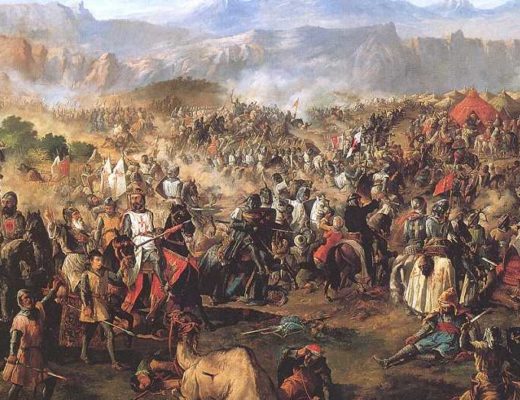
1212: In Spain, the Christians win a military victory over the Muslims, defeating Caliph Mahommed al-Nasr near Toledo
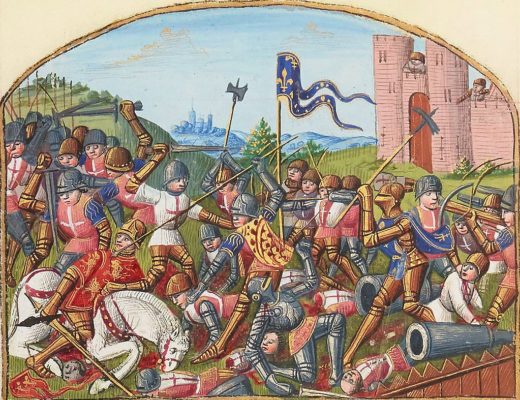
1453: The defeat of the English at Castillon ends the Hundred Years’ War with France, leaving only Calais in British hands.
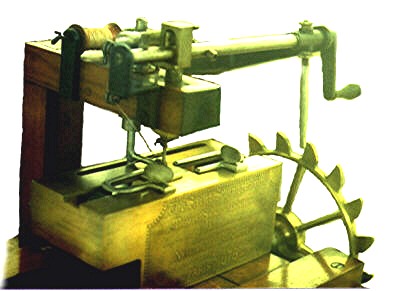
1790: Thomas Saint of London patents the first sewing machine.
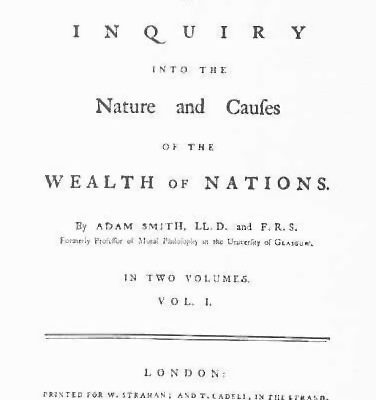
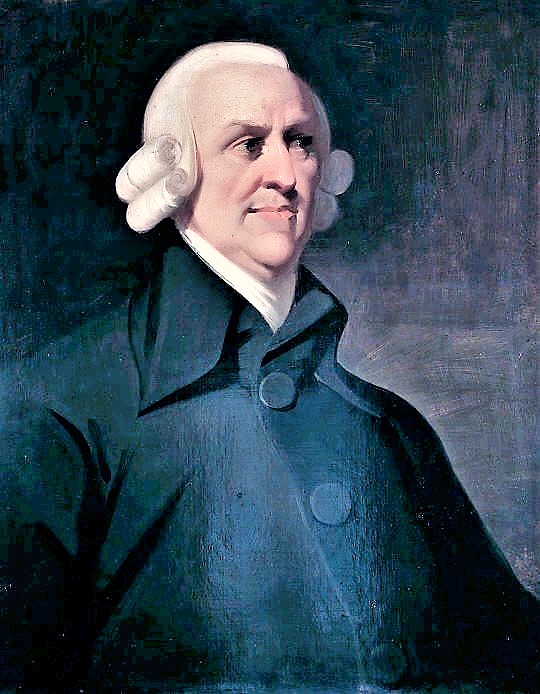
1790: Invisible hand beckons Smith
Adam Smith, author of the influential treatise on political economy ‘The Wealth of Nations’ dies aged 67 in Edinburgh after a painful illness. Economics work best, Smith believed, by leaving them alone. The natural forces of competition and self-interest provide all the regulation necessary to ensure a healthy system that benefits all. The division of labour demanded by mechanisation was regarded by Smith as the most efficient method of producing goods. Trade barriers, he thought, should be applied only in exceptional circumstances. Smith devoted a large part of the income he received as Commissioner of Customs and Salt Duties for Scotland to various secret acts of charity.
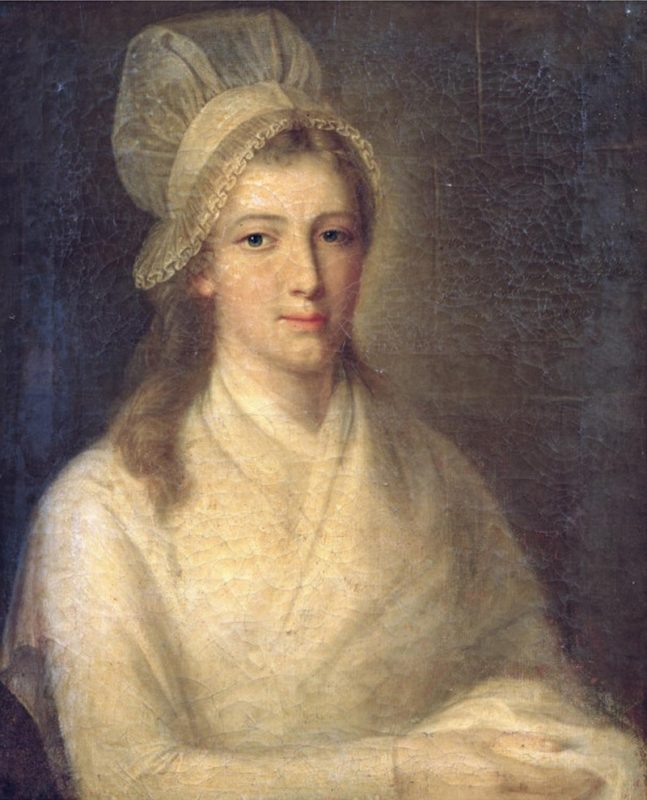
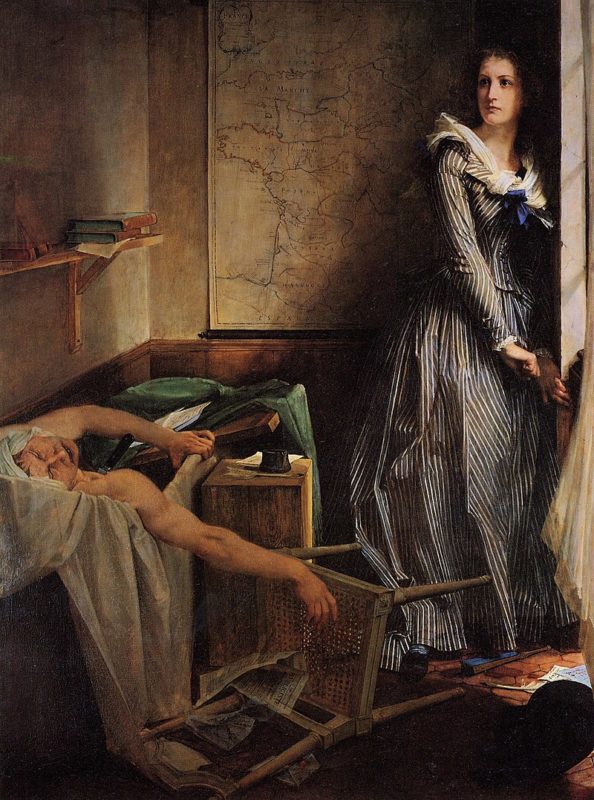
1793: Charlotte Corday, a member of the Girondist right-wing Republican Party is guillotined four days after she murders French revolutionary leader Jean-Paul Marat by stabbing him through the heart with a breadknife as he sat in his bath.
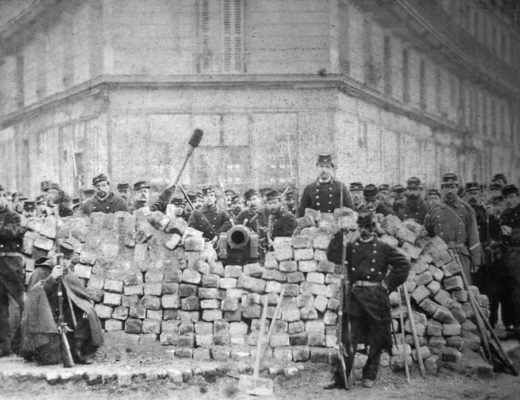
1794: The Commune of Paris, set up in May 1791, is suppressed.
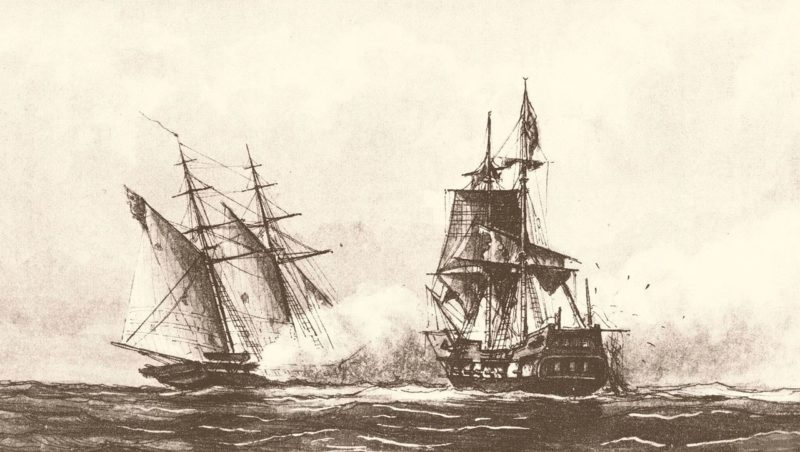
1801: US hold pirates at bay
The US learns grimly that its former colonial status has at least one benefit – its shipping enjoys immunity from attack by North American pirates. After making a series of humiliating financial concessions to the increasingly confident and voracious rulers of Algeria, Tunis and Tripoli, who controlled the pirates, two months before the US dug its heels in and said ‘no’ when the Pasha of Tripoli demanded that he be paid $225 000 (£122 000) plus $25 000 (£13 500) annually. A US squadron under Commodore Richard Dale was dispatched to the Mediterranean and blockaded Tripoli. This show force persuaded Algiers and Tunis that it would not be a good idea for them to join a war alliance with Tripoli. Morocco however, was willing to throw in its lot with the beleaguered pasha. Although Congress took pride in this display of US military muscle, some believed that action was necessary.
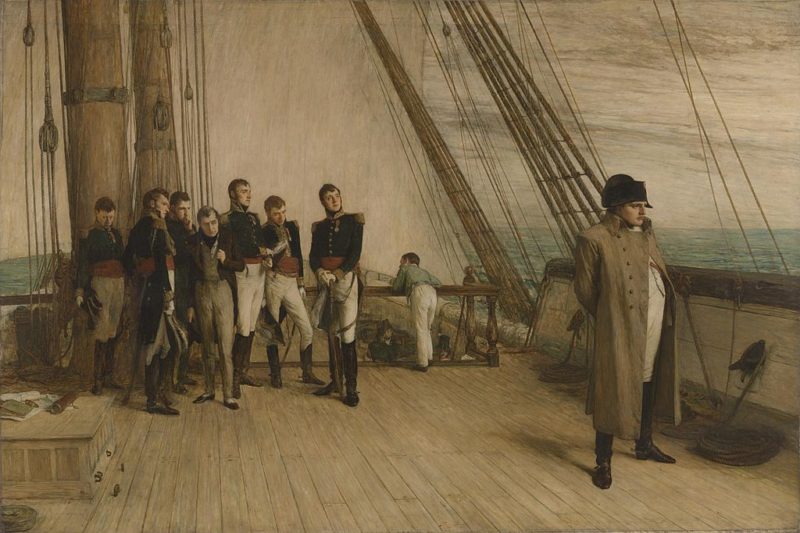
1815: Napoleon surrenders to the British at Rochefort.
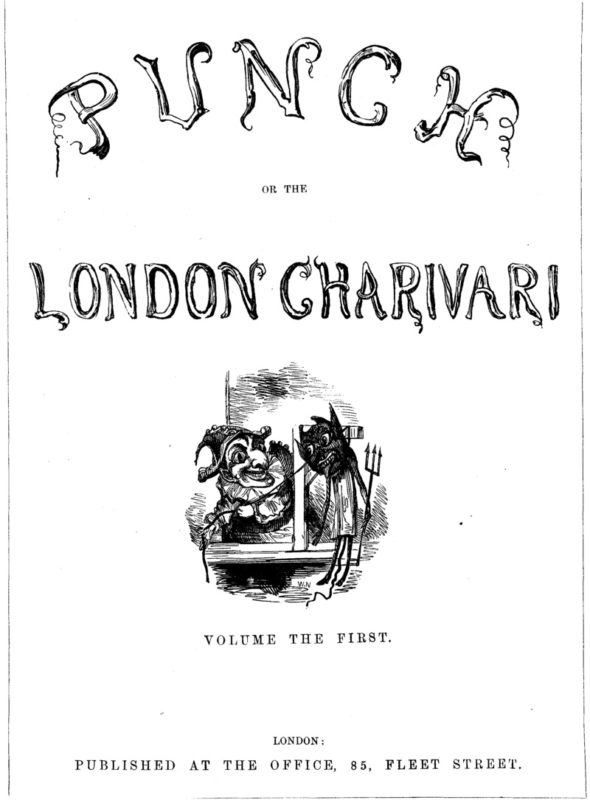
1841: New weekly paper for London
The first issue of a weekly newspaper called ‘Punch’ is published in London. The idea for the paper came from engraver Ebenezer Landells, who suggested to journalist Henry Mayhew that a publication along the lines of Philippon’s audacious ‘Paris Charivari’ would go down well in London. Mayhew and his fellow joint editors Mark Lemon and Joseph Stirling Coyne hope to provide an entertaining mix of satire, humour, cartoons and caricatures.
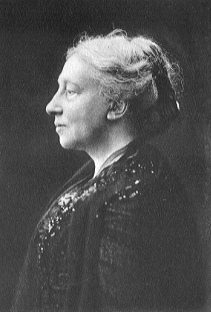
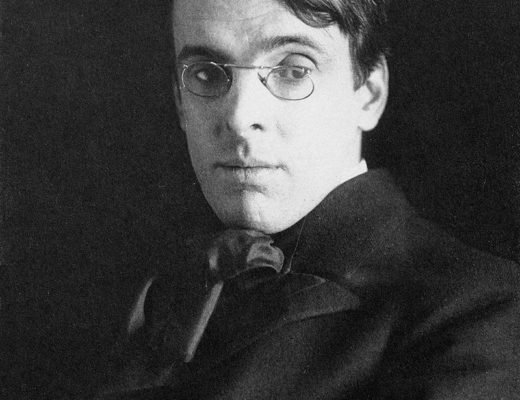
1951: The Abbey Theatre in Dublin, founded in 1907 by poets Lady Augusta Gregory and WB Yeats, burns down.

1954: New jazz festival launched
The grounds of the Newport Casino on Rhode Island are the venue for the new jazz festival launch. The festival was organised by Louis and Elaine Lorillard as a non-profit-making venture. George Wein, pianist and owner of Boston’s ‘Storyville Club’, was festival director.
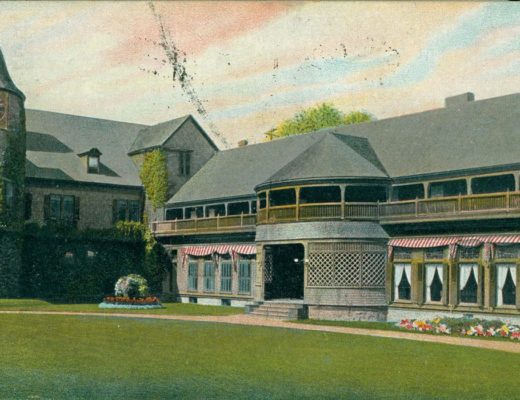
“If you have to ask what jazz is, you’ll never know.” – Louis Armstrong, jazz trumpeter – the first Newport Jazz Festival took place on this day in 1954.
1959: ‘Lady Day’ finds peace
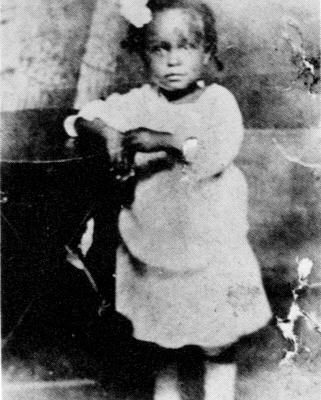
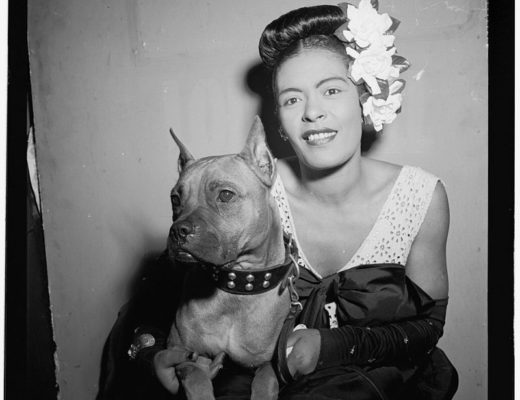
Billie Holiday, considered by many aficionados to be one of the greatest jazz singers of all time, dies at Metropolitan Hospital in New York at age 44. Born in Baltimore of unmarried teenage parents, ‘Lady Day’ as she would become known, started her singing career in Harlem clubs aged 15 after several years as a prostitute. By the mid-30s she was an established artist, performing with the cream of musicians from the big bands. She formed a unique partnership with tenor saxophonist Lester Young, whom she nicknamed ‘The President’. By the 1950s her health and vocal performance was beginning to show signs of the alcohol and narcotics to which she had become accustomed. She was admitted to hospital shortly after performing at the Phoenix Theatre in Manhattan. Holiday died as she had lived – the victim of a catalogue of personal disasters including rape, racism, imprisonment and unhappy love affairs. While she lay on her deathbed, New York police served a warrant for her arrest – because narcotic addiction was an offence under US law.
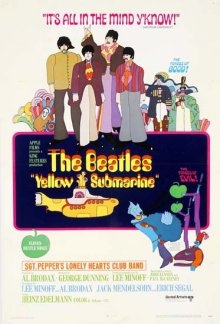
1968: The Beatles’ cartoon film ‘Yellow Submarine’ premiers at the London Pavilion.
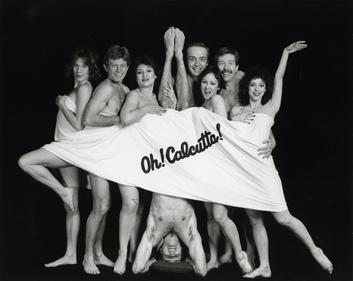
1969: ‘Oh! Calcutta’, the show devised by influential critic Kenneth Tynan and condemned by many in Britain as obscene on account of profanity and nudity, opens in New York.
1981: More than 100 people die when suspended walkways in the lobby of the new Hyatt Regency Hotel in Kansas collapses.


HAVE YOUR SAY
Like our Facebook page, follow us on Twitter and Instagram
For news straight to your phone, add us on BBM 58F3D7A7 or WhatsApp 082 421 6033