July 27: On This Day in World History … briefly
Interesting historic snippets and facts taken from the book ‘On This Day’ first published in 1992 by Octopus Publishing Group Ltd, London.

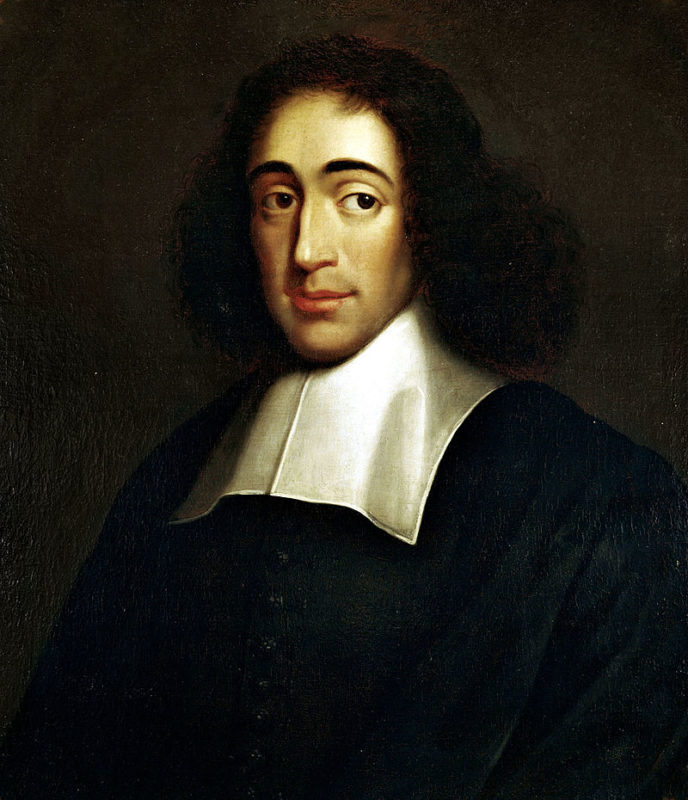
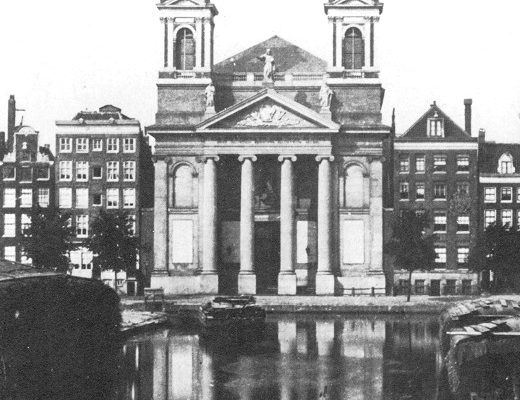
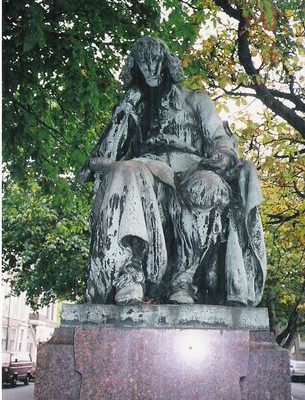
1656: Spinoza challenges Scripture
The Jewish religious authorities in Amsterdam decided to excommunicate 24-year old student Benedict Spinoza for failing to modify his unorthodox interpretations of Scripture. The civil authorities also took action by banishing him from Amsterdam for a short period. Neither bribes nor threats persuaded Spinoza to change his contention that there is nothing in the Bible to support some orthodox views – for example, that God has no body, that angels exist or that the soul is immortal. The budding philosopher was said to be dismayed by the reaction to his ponderings. The Jewish fathers were in a difficult position, however, and fearful that Spinoza’s ‘heresies’ would reflect badly on the vulnerable Jewish community, whose members had still to win the right of citizenship in Holland.
1789: Thomas Jefferson is made head of the new US Department of Foreign Affairs.
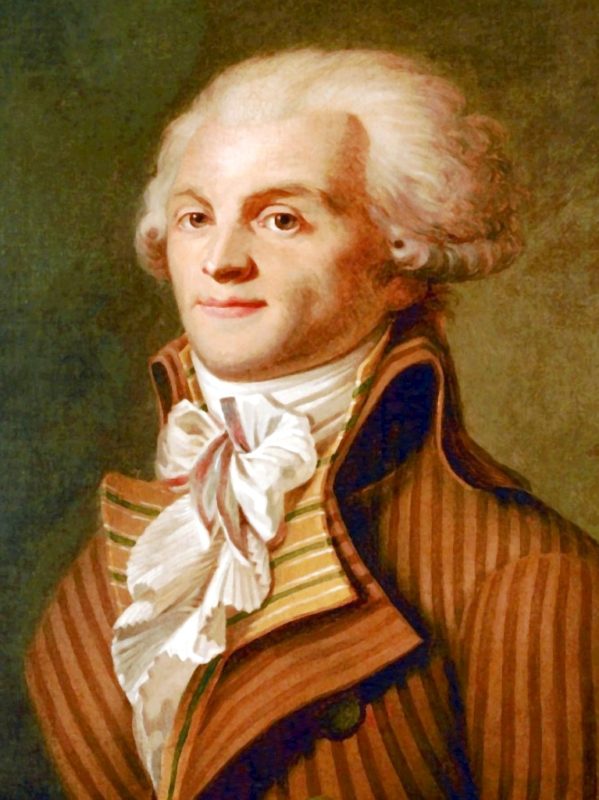
1793: Robespierre runs scared
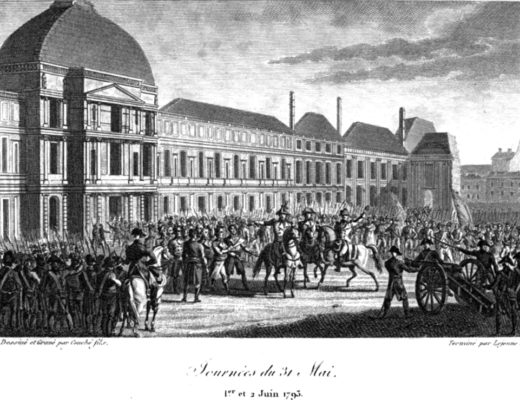
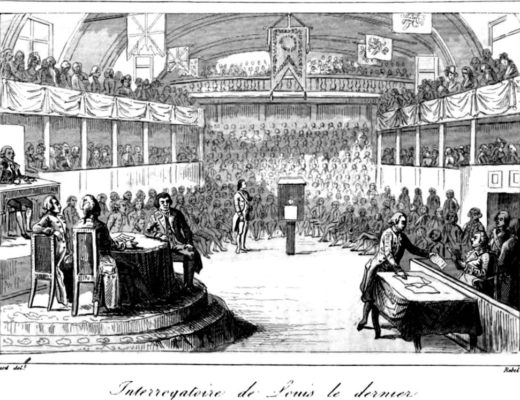
In France, Jacobin leader Maximilien Robespierre becomes a member of the Committee of Public Safety, established to guard against a coalition of European powers attacking France as a result of the execution of King Louis XVI.
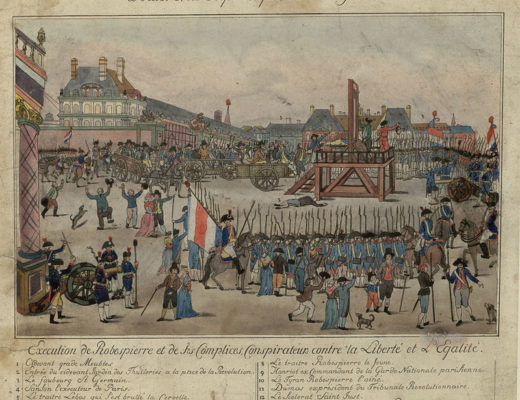
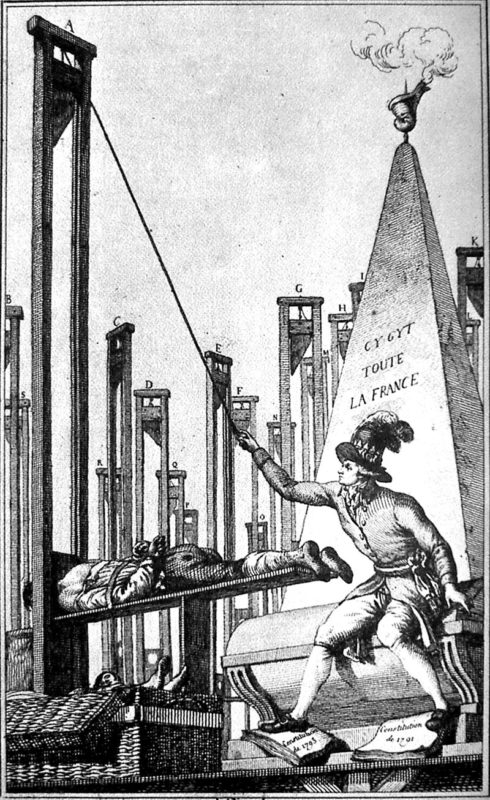
1794: Robespierre slips in his own bloodbath
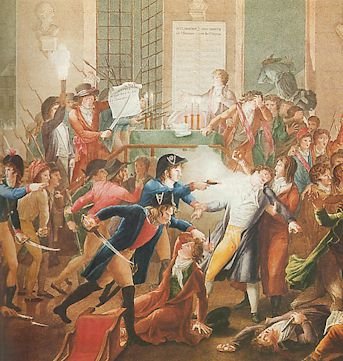
In a historic vote, the Convention in Paris decide to arrest the chief architect of the ‘reign of terror’, Maximilien Francois Marie Isidore de Robespierre, and his supporters. They became increasingly hostile to the 36-year old lawyer and his aims and were alarmed by his earlier demand for a carte blanche regarding the future of the guillotine. Robespierre spoke in such menacing terms that few present could have doubted that their own necks might yet feel the kiss of that ‘steely Madame’. When Robespierre attempted to address the normally compliant Convention he was drowned out with cries of ‘Down with the tyrant!’ Support from the troops of the Commune, Robespierre’s principal power base, was not forthcoming, and he was lost. Robespierre sat in custody awaiting execution.
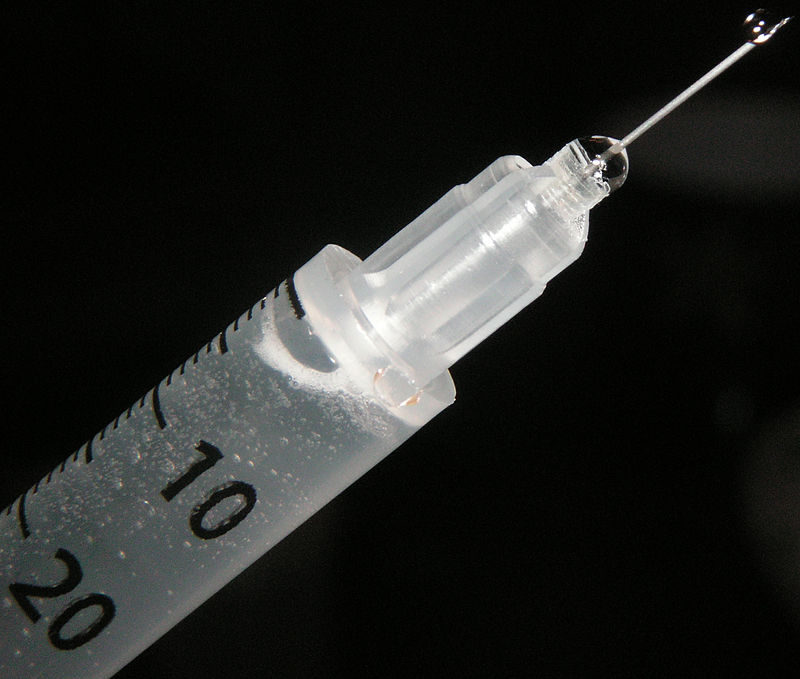
1921: Sir Frederick Banting and Charles Best isolate insulin at the University of Toronto.
1942: Death of Sir Fliders Petrie, British archaeologist who was the first professor of Egyptology at University College, London.
1946: American novelist and poet Gertrude Stein dies in Paris, where she was a leading figure in the American expatriate community.
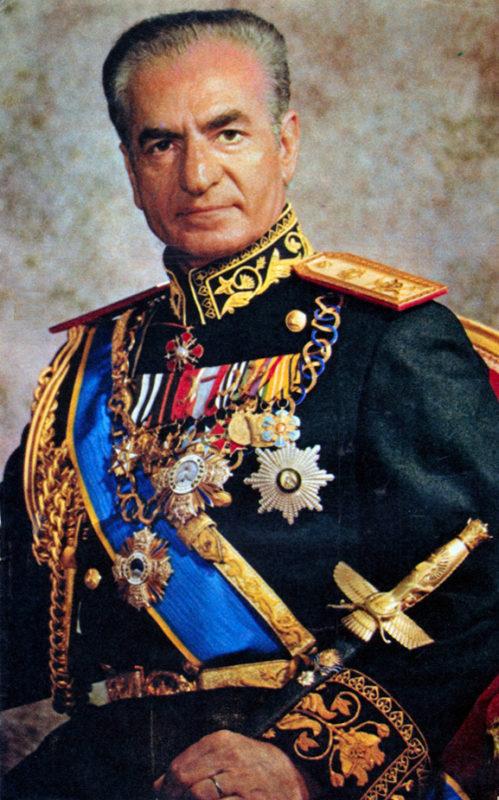
1980: Shah of Iran dies in Cairo
The deposed Shah of Iran dies in Cairo’s Maadi Military Hospital at the age of 60. The cause of death was internal bleeding and heart failure as a result of infection and lymphatic cancer. On his deathbed, the Shah requested to be buried ultimately in Tehran, named his eldest son Prince Reza as rightful heir to the Peacock Throne and prayed for the overthrow of Ayatollah Khomeini. The Shah lived in the Mexican mountain resort of Cuernavaca after leaving Iran in January 1979, but had more recently been forced to seek medical treatment elsewhere for his deteriorating condition. Shortly before he died, the Shah said that he was ‘fed up with living artificially’. His wish was for a very simple funeral and President Sadat was expected to have his old ally buried with full military honours.
1985: Ugandan President Milton Obote, who had regained power in 1980 after being deposed by General Idi Amin in 1971, is overthrown by a military coup.
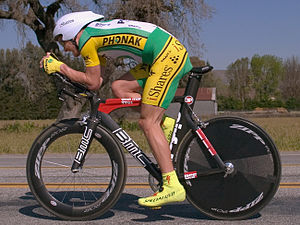
1986: American cyclist Gregory James LeMond becomes the first non-European to win the Tour de France.
1988: Olympic athlete fails drug test
A life ban is imposed by the British Athletic Board on Olympic pole-vaulter Jeff Gutteridge. Two tests, one administered in Lanzarote in April and the other at a laboratory in London, revealed the clear presence of steroids. Gutteridge, 32, is the first athlete to be banned for dope-taking. He denied the charge and appealed on the grounds that the testing procedure was not properly followed. Under the strict rules introduced by the BAAB to combat drug use, athletes who test positive had the right of appeal for reinstatement. Britain was the only country in the world to subject its athletes to spot checks at that time.
HAVE YOUR SAY
Like our Facebook page, follow us on Twitter and Instagram
For news straight to your phone, add us on BBM 58F3D7A7 or WhatsApp 082 421 6033