August 26: On This Day in World History … briefly
Most notable historic snippets or facts extracted from the book ‘On This Day’ first published in 1992 by Octopus Publishing Group Ltd, London, as well as additional supplementary information extracted from Wikipedia.
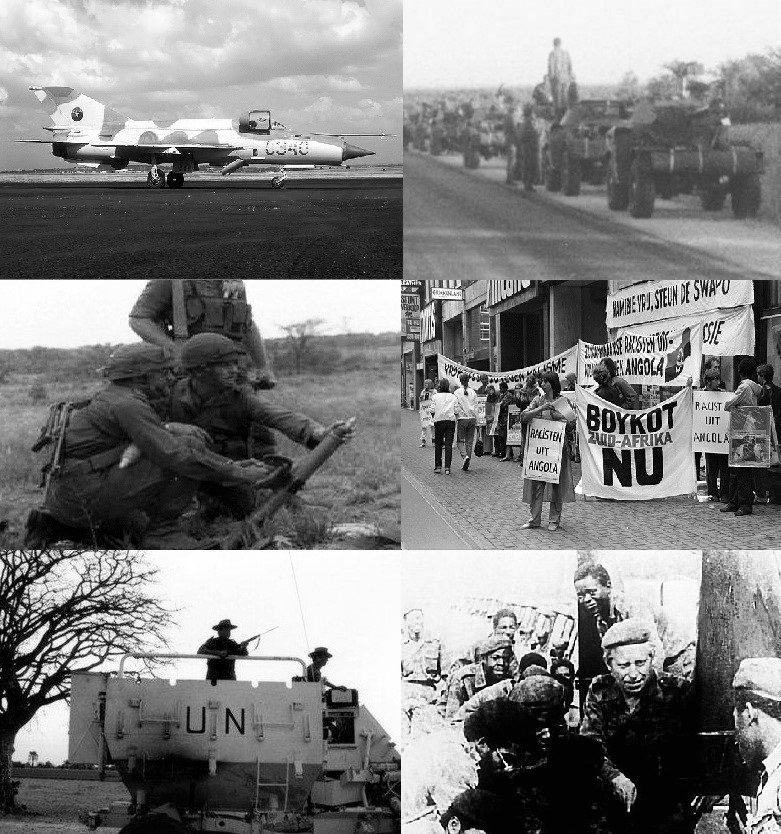
1966: South African Border War commences
The South African Border War, also known as the Namibian War of Independence, and sometimes denoted in South Africa as the Angolan Bush War, was a largely asymmetric conflict that occurred in Namibia (then South West Africa), Zambia, and Angola from 26 August 1966 to 21 March 1990. It was fought between the South African Defence Force (SADF) and the People’s Liberation Army of Namibia (PLAN), an armed wing of the South West African People’s Organisation (SWAPO). The South African Border War resulted in some of the largest battles on the African continent since World War II and was closely intertwined with the Angolan Civil War.
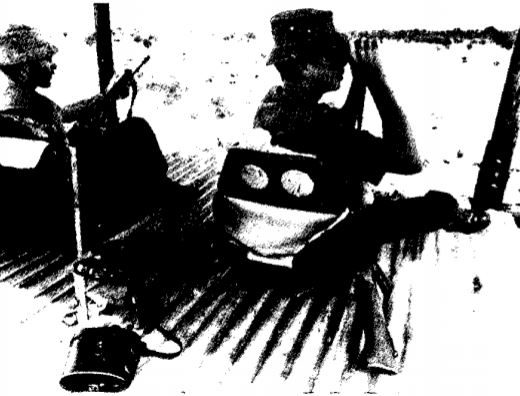
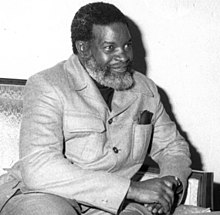
Following several decades of unsuccessful petitioning through the United Nations and the International Court of Justice for Namibian independence, SWAPO formed the PLAN in 1962 with material assistance from the Soviet Union, the People’s Republic of China, and sympathetic African states such as Tanzania, Ghana, and Algeria. Fighting broke out between PLAN and the South African authorities in August 1966. Between 1975 and 1988 the SADF staged massive conventional raids into Angola and Zambia to eliminate PLAN’s forward operating bases. It also deployed specialist counter-insurgency units such as Koevoet and 32 Battalion trained to carry out external reconnaissance and track guerrilla movements.
South African tactics became increasingly aggressive as the conflict progressed. The SADF’s incursions produced Angolan casualties and occasionally resulted in severe collateral damage to economic installations regarded as vital to the Angolan economy. Ostensibly to stop these raids, but also to disrupt the growing alliance between the SADF and the National Union for the Total Independence for Angola (UNITA), which the former was arming with captured PLAN equipment, the Soviet Union backed the People’s Armed Forces of Liberation of Angola (FAPLA) through a large contingent of military advisers and up to four billion dollars’ worth of modern defence technology in the 1980s. Beginning in 1984, regular Angolan units under Soviet command were confident enough to confront the SADF.
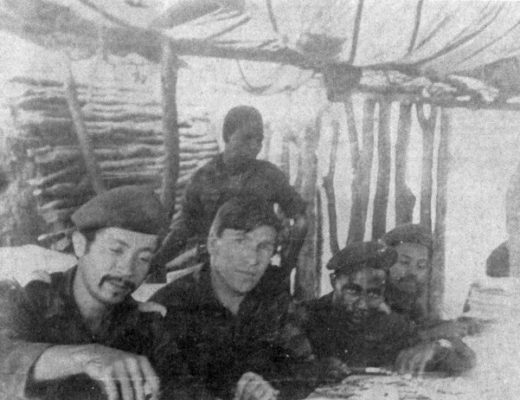
Their positions were also bolstered by thousands of Cuban troops. The state of war between South Africa and Angola briefly ended with the short-lived Lusaka Accords, but resumed in August 1985 as both PLAN and UNITA took advantage of the ceasefire to intensify their own guerrilla activity, leading to a renewed phase of FAPLA combat operations culminating in the Battle of Cuito Cuanavale.
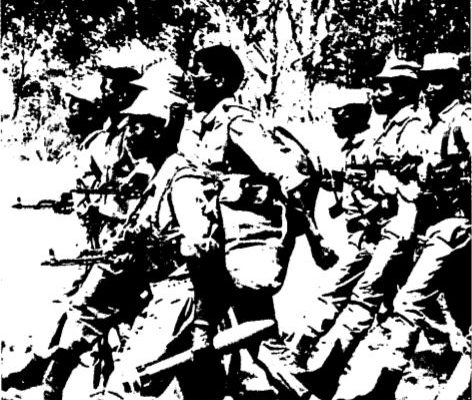
The South African Border War was virtually ended by the Tripartite Accord, mediated by the United States, which committed to a withdrawal of Cuban and South African military personnel from Angola and South West Africa, respectively. PLAN launched its final guerrilla campaign in late March 1989. South West Africa received formal independence as the Republic of Namibia a year later, on 21 March 1990.
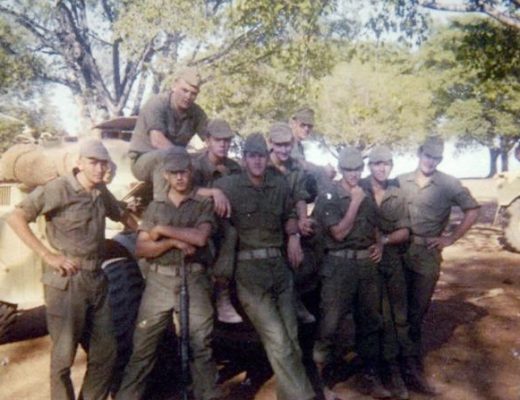
Despite being largely fought in neighbouring states, the South African Border War had a phenomenal cultural and political impact on South African society. The country’s apartheid government devoted considerable effort towards presenting the war as part of a containment programme against regional Soviet expansionism and used it to stoke public anti-communist sentiment. It remains an integral theme in contemporary South African literature at large and Afrikaans-language works in particular, having given rise to a unique genre known as grensliteratuur (directly translated ‘border literature’)
HAVE YOUR SAY
Like our Facebook page, follow us on Twitter and Instagram
For news straight to your phone, add us on BBM 58F3D7A7 or WhatsApp 082 421 6033