November 3: On This Day in World History … briefly
The Soviet satellite Sputnik 2 was fired into orbit with a dog called Laika on board.
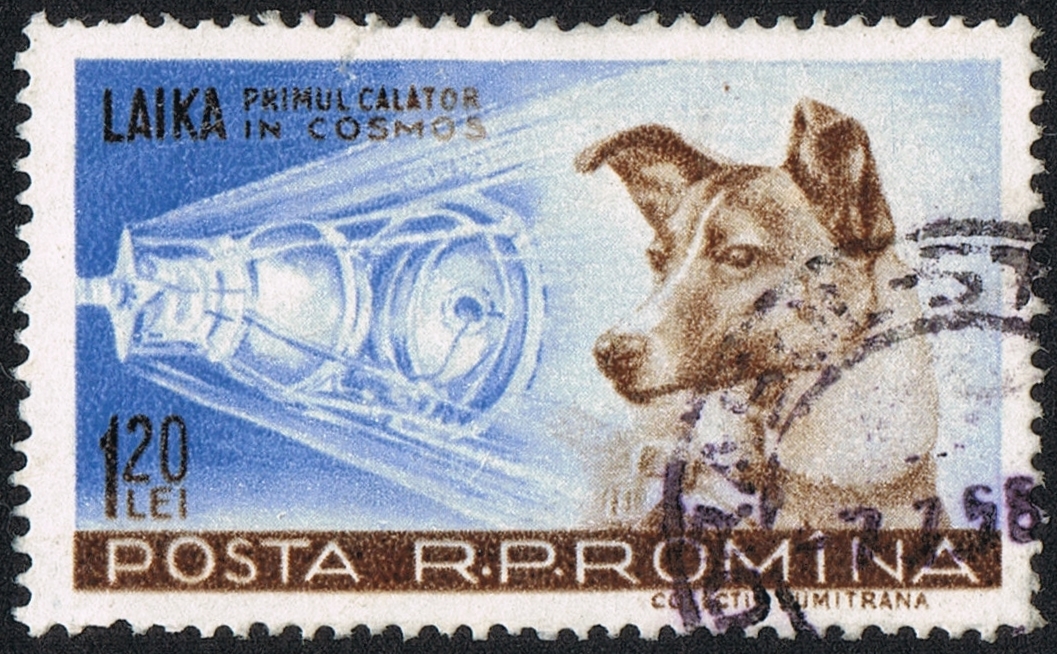
1957: Russians send a dog into orbit
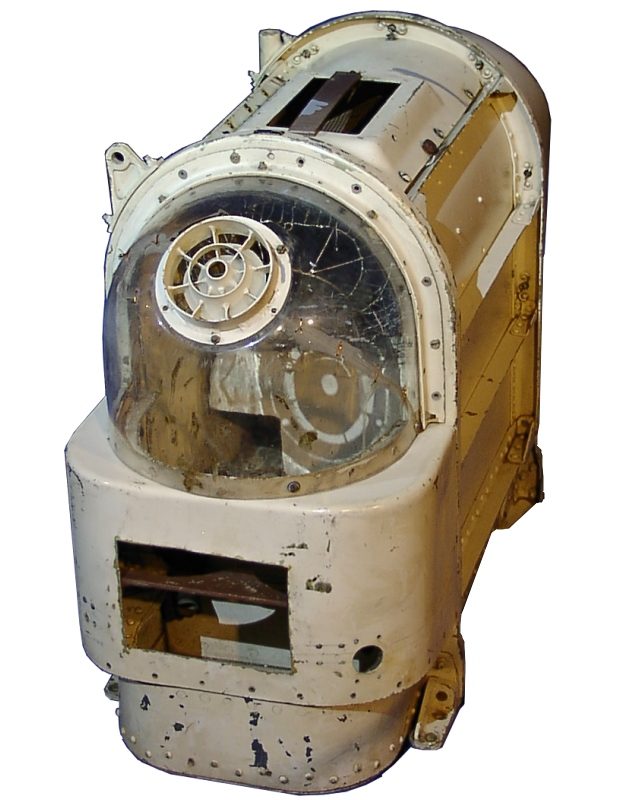
Sputnik 2 was the second spacecraft launched into Earth orbit, on 3 November 1957, and the first to carry a living animal, a Soviet space dog named Laika, who died a few hours after the launch. Launched by the USSR, Sputnik 2 was a 4-meter (13 foot) high cone-shaped capsule with a base diameter of 2 meters (6.6 feet) that weighed around 500 kg, though it was not designed to separate from the rocket core that brought it to orbit, bringing the total mass in orbit to 7.79 tons. It contained several compartments for radio transmitters, a telemetry system, a programming unit, a regeneration and temperature-control system for the cabin, and scientific instruments. A separate sealed cabin contained the dog Laika.
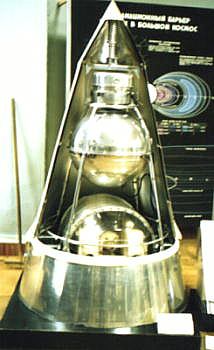
Engineering and biological data were transmitted using the Tral D telemetry system, transmitting data to Earth for a 15-minute period during each orbit. Two photometers were on board for measuring solar radiation (ultraviolet and x-ray emissions) and cosmic rays. A 100 line television camera provided images of Laika. Sputnik 2 was launched into space only 32 days after its predecessor Sputnik 1. Due to the huge success of Sputnik 1, Nikita Khrushchev ordered Sergey Korolev back to work creating a Sputnik 2 that needed to be ready for space for the 40th anniversary of the Bolshevik revolution.
Sputnik 2 was part of an idea that included Sputnik 1 that came from Korolev that was approved in January 1957. At that time, it was not clear that the Soviets’ main satellite plan (which would eventually become Sputnik 3) would be able to get to space because of the ongoing issues with the R-7 ICBM, which would be needed to launch a satellite of that size. “Korolev proposed substituting two ‘simple satellites’ for the IGY satellite”. The choice to launch these two instead of waiting for the more advanced Sputnik 3 to be finished was largely motivated by the desire to launch a satellite to orbit before the US.
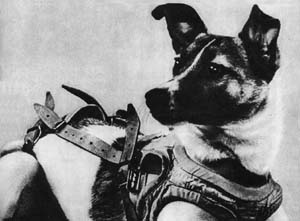
During the 1950s and 1960s the USSR used dogs for sub-orbital and orbital space flights to determine whether human spaceflight was feasible. In this period, the Soviet Union or the USSR launched missions with passenger slots for at least 57 dogs. The number of dogs in space is smaller, as some dogs flew more than once. Most survived; the few that died were lost mostly through technical failures, according to the parameters of the test. A notable exception is Laika, the first dog to be sent into orbit, whose death was expected from the outset
Most notable historic snippets or facts extracted from the book ‘On This Day’ first published in 1992 by Octopus Publishing Group Ltd, London, as well as additional supplementary information extracted from Wikipedia.
HAVE YOUR SAY
Like our Facebook page, follow us on Twitter and Instagram
For news straight to your phone, add us on WhatsApp 082 421 6033