November 11: On This Day in World History … briefly
Contemporaneously described as the ‘war to end all wars’, it led to the mobilisation of more than 70 million military personnel, including 60 million Europeans, making it one of the largest wars in history.
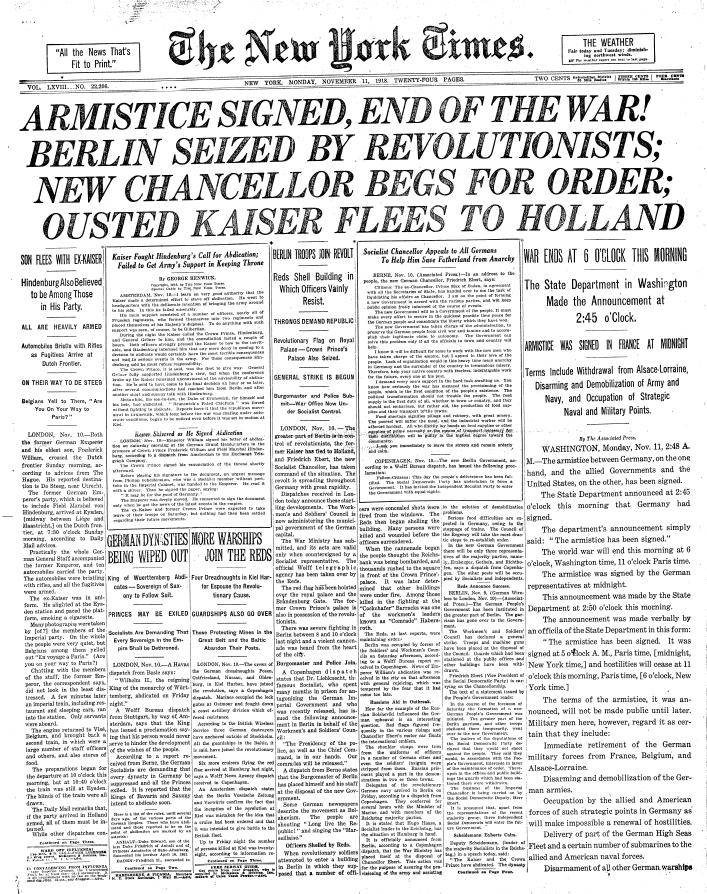
1918: The ‘Great War’ finally ends
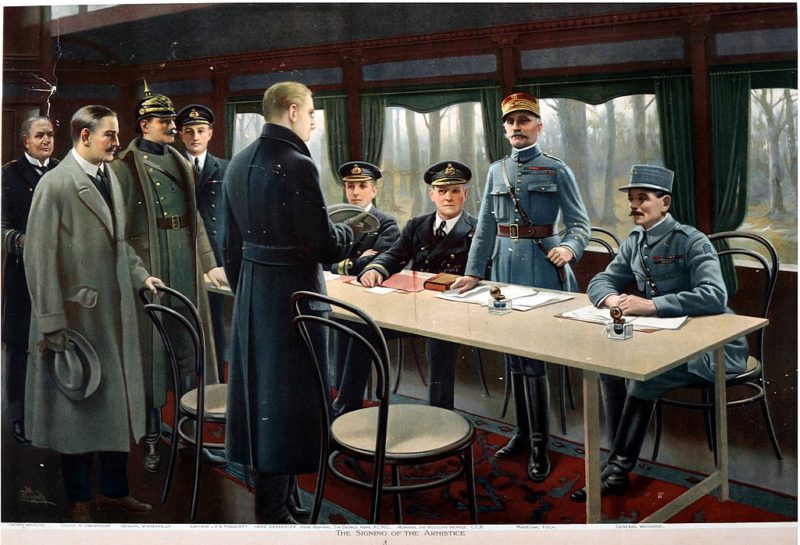
After four years and 97 days, the guns finally fell silent. In a carriage of Marshal Foch’s train in the Forest of Compiègne, Foch, General Weygand and British Admiral Sir Rosslyn Wemyss accepted the German surrender from a civilian, Reichstag Deputy Matthias Erzberger and two junior generals.
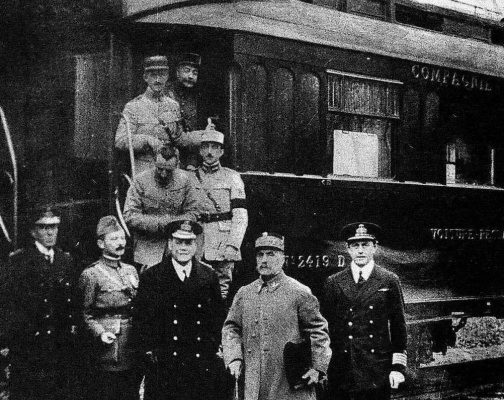
The German High Command had no intention of getting involved in surrender negotiations and stayed away. The Armistice document required Germany to hand over 5 000 heavy guns, 30 000 machine guns, 2 000 aircraft, all U-boats, 5 000 locomotives, 150 000 wagons and 5 000 lorries; the surface fleet would be interned; Allies would occupy the Rhineland and the blockade of German seaports would remain in force.
The Kaiser abdicated and fled to Holland on November 12. The number of lives lost is thought to be around 9 million, with another 27 million injured. The Great War cost the Allies some $126 billion (£68.5 billion) and the Central Powers $60 billion (£32,6 billion). It was the most destructive war the world had ever seen.
Most notable historic snippets or facts extracted from the book ‘On This Day’ first published in 1992 by Octopus Publishing Group Ltd, London, as well as additional supplementary information extracted from Wikipedia.
HAVE YOUR SAY
Like our Facebook page, follow us on Twitter and Instagram
For news straight to your phone, add us on WhatsApp 082 421 6033