November 5: On This Day in World History … briefly
The USA celebrated the end of 14 long years of Prohibition on this day in 1933.
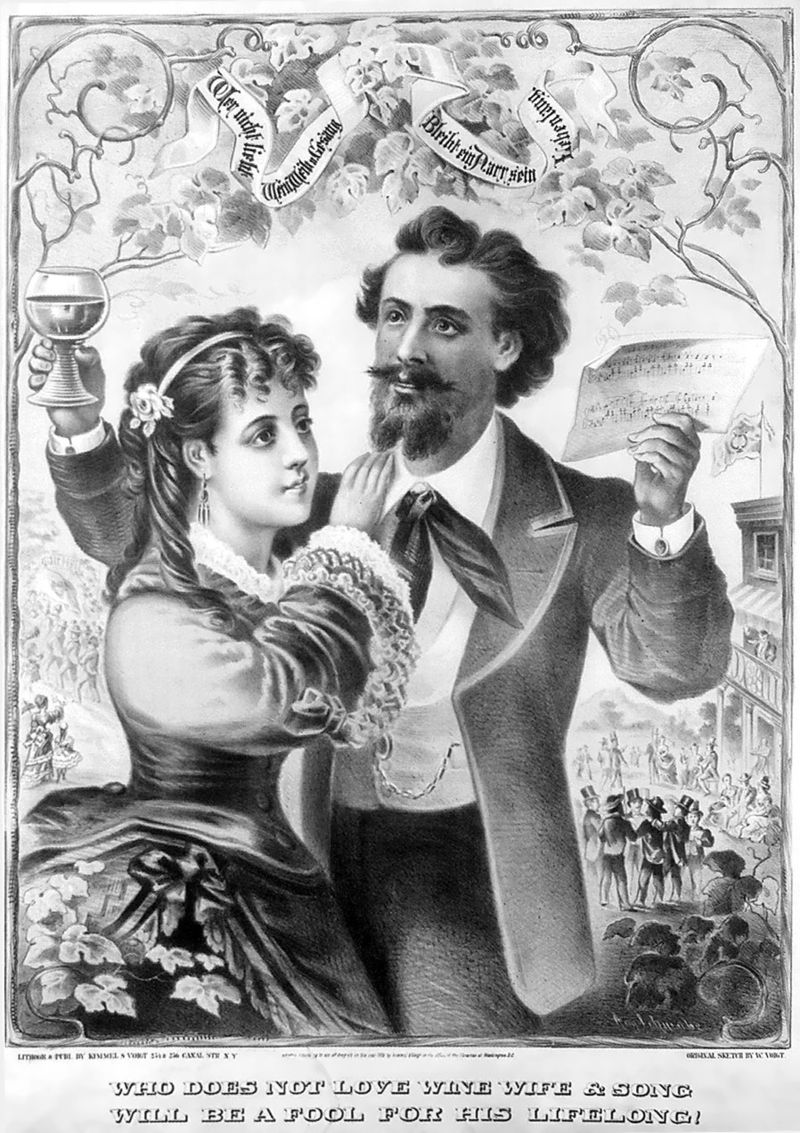
1933: USA raises a glass to the end of Prohibition
Prohibition in the United States was a nationwide constitutional ban on the production, importation, transportation, and sale of alcoholic beverages from 1919 to 1933.
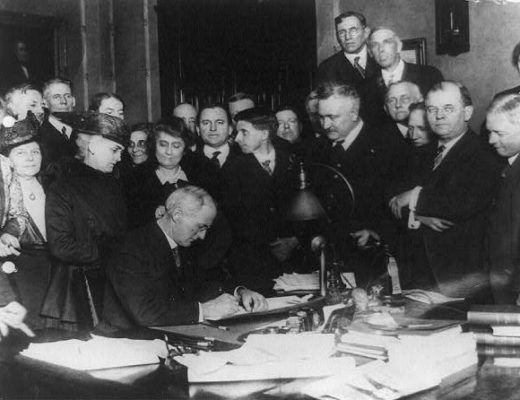
During the nineteenth century, alcoholism, family violence, and saloon-based political corruption prompted activists, led by pietistic Protestants, to end the alcoholic beverage trade to cure the ill society and weaken the political opposition. One result was that many communities in the late-nineteenth and early-twentieth centuries introduced alcohol prohibition, with the subsequent enforcement in law becoming a hotly debated issue. Prohibition supporters, called ‘drys’, presented it as a victory for public morals and health.
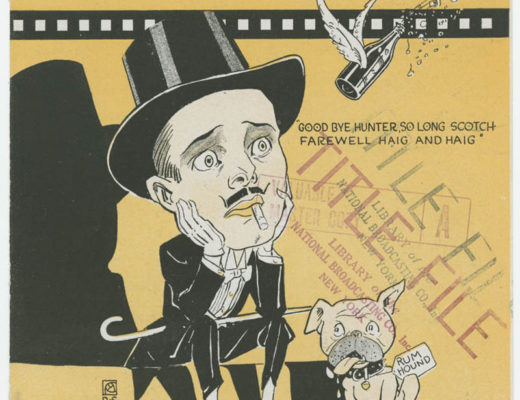
Promoted by the ‘dry’ crusaders, the movement was led by pietistic Protestants and social Progressives in the Prohibition, Democratic, and Republican parties. It gained a national grass roots base through the Woman’s Christian Temperance Union. After 1900, it was coordinated by the Anti-Saloon League. Opposition from the beer industry mobilized ‘wet’ supporters from the Catholic and German Lutheran communities.
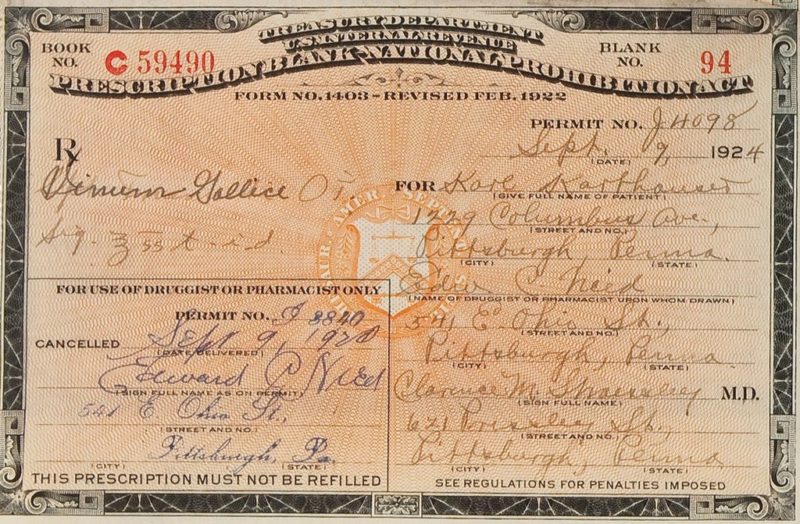
They had funding to fight back, but by 1917–18 the German community had been marginalized by the nation’s war against Germany, and the brewing industry was shut down in state after state by the legislatures and finally nationwide under the Eighteenth Amendment to the United States Constitution in 1920.
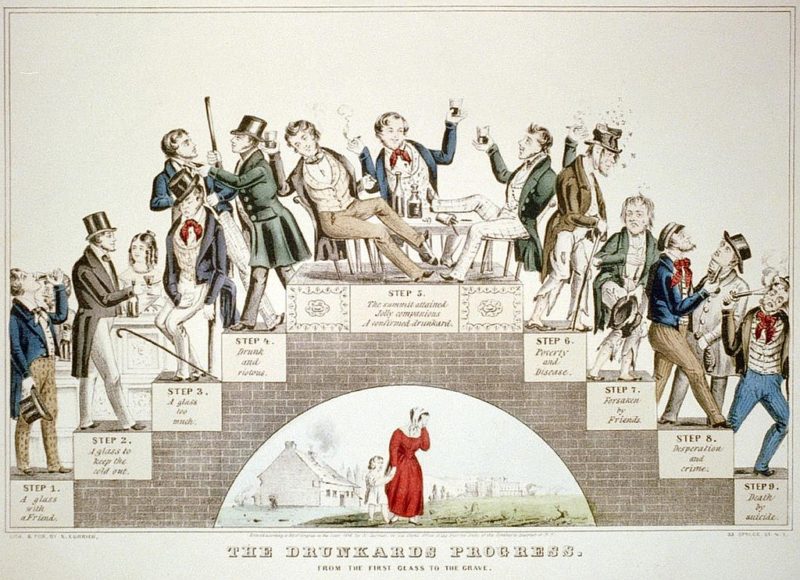
Enabling legislation, known as the Volstead Act, set down the rules for enforcing the federal ban and defined the types of alcoholic beverages that were prohibited. For example, religious use of wine was allowed. Private ownership and consumption of alcohol were not made illegal under federal law, but local laws were stricter in many areas, with some states banning possession outright.
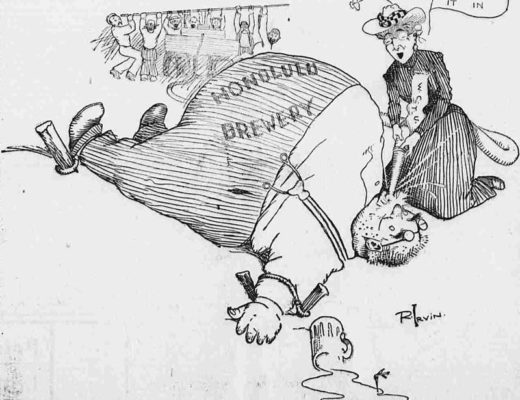
Criminal gangs were able to gain control of the beer and liquor supply for many cities. By the late-1920s a new opposition mobilized nationwide. Wets attacked prohibition as causing crime, lowering local revenues, and imposing ‘rural’ Protestant religious values on ‘urban’ United States. Prohibition ended with the ratification of the Twenty-first Amendment, which repealed the Eighteenth Amendment on December 5, 1933. Some states continued statewide prohibition, marking one of the last stages of the Progressive Era.
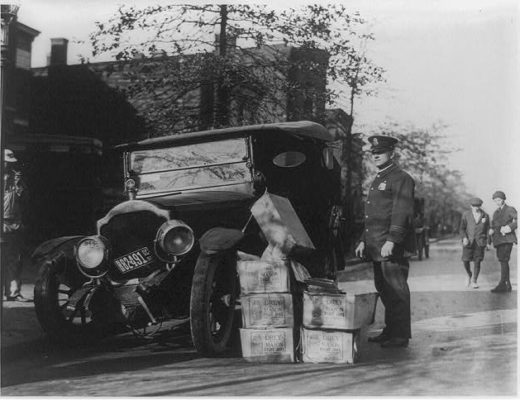
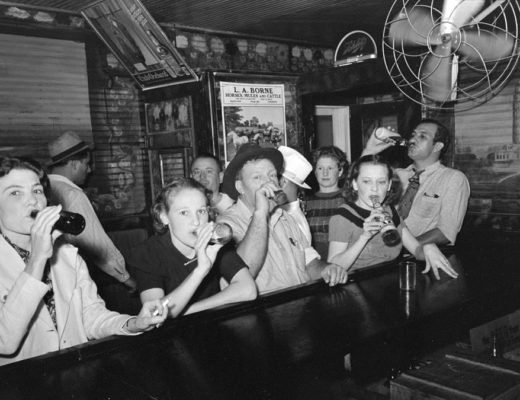
The ‘Temperance Movement’ (aka the ‘Noble Experiment’) just did not work. Americans did not stop drinking – the law simply pushed the lucrative liquor trade into the hand of criminals like Al Capone and many others. Enforcement proved impossible and was even unpopular even with the police. Anti-Prohibition ‘wets’ won their campaign to restore individual freedom of choice.
Most notable historic snippets or facts extracted from the book ‘On This Day’ first published in 1992 by Octopus Publishing Group Ltd, London, as well as additional supplementary information extracted from Wikipedia.
HAVE YOUR SAY
Like our Facebook page, follow us on Twitter and Instagram
For news straight to your phone, add us on WhatsApp 082 421 6033