December 29: On This Day in World History … briefly
Ten of the 16 survivors from an Uruguayan aircraft that crashed in the Andes mountains ten weeks prior, admitted at a press conference that they ate the raw flesh of their dead companions in order to stay alive.
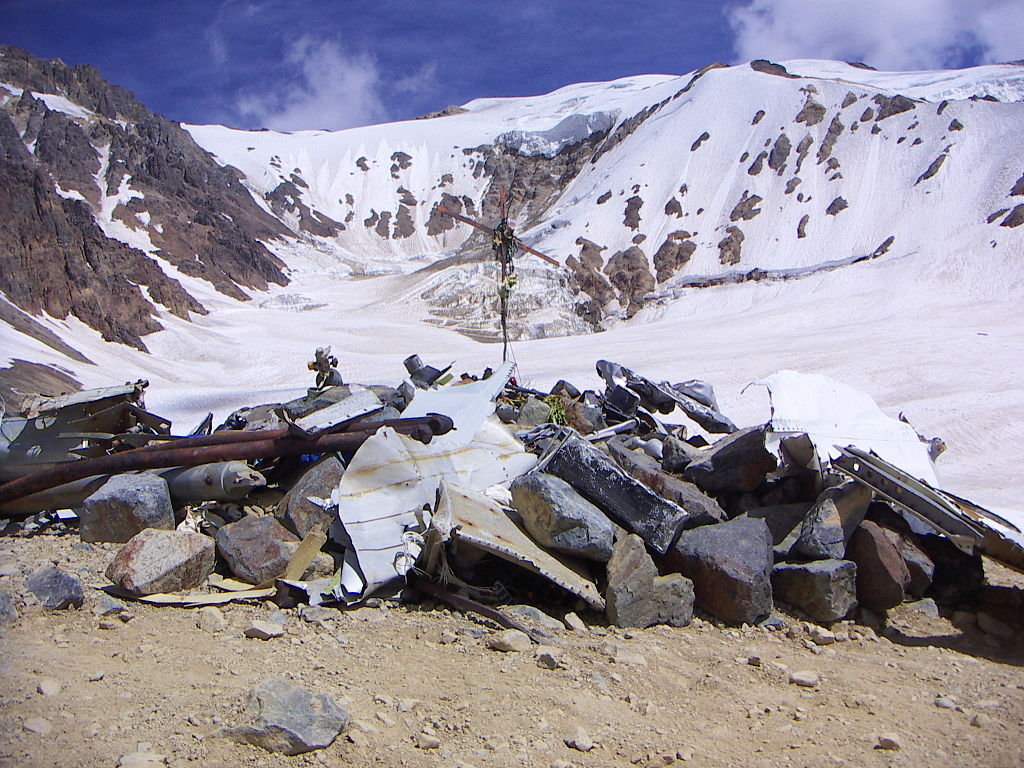
1972: Aircrash survivors admit to resorting to cannibalism
Uruguayan Air Force Flight 571 was a chartered flight that crashed on a glacier at an elevation of 3 570 metres (11 710 ft) in the remote Andes. Among the 45 people on board, 28 survived the initial crash. Facing starvation and death, the survivors reluctantly resorted to cannibalism. After 72 days on the glacier, 16 people were rescued.
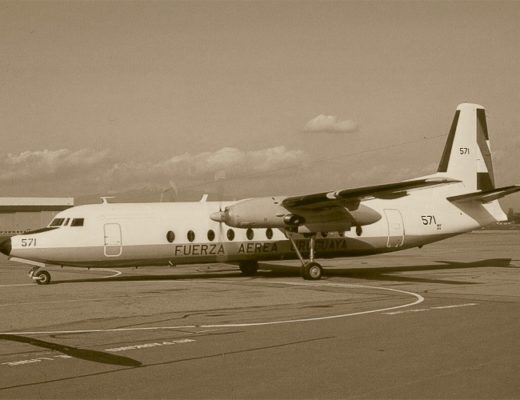
The flight carrying 19 members of a rugby team, family, supporters, and friends originated in Montevideo, Uruguay and was headed for Santiago, Chile. While crossing the Andes, the inexperienced co-pilot who was in command mistakenly believed they had reached Curicó, Chile, despite instrument readings indicating otherwise. He turned north and began to descend towards what he thought was Pudahuel Airport. Instead, the aircraft struck the mountain, shearing off both wings and the rear of the fuselage. The forward part of the fuselage careened down a steep slope like a toboggan and came to rest on a glacier. Three crew members and more than a quarter of the passengers died in the crash, and several others quickly succumbed to cold and injuries.
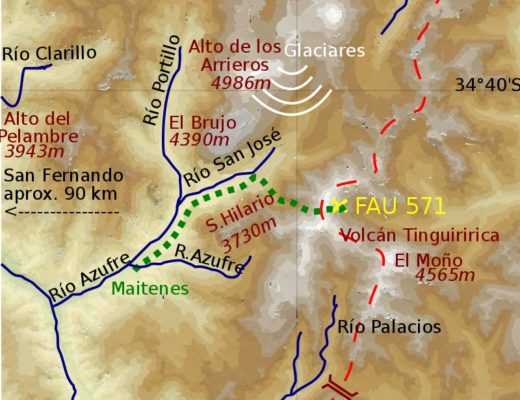
On the tenth day after the crash, the survivors learned from a transistor radio that the search had been called off. Faced with starvation and death, those still alive agreed that should they die, the others might consume their bodies in order to live. With no choice, the survivors ate the bodies of their dead friends. Seventeen days after the crash, 27 remained alive when an avalanche filled the rear of the broken fuselage they were using as shelter, killing eight more survivors. The survivors had little food and no source of heat in the harsh conditions. They decided that a few of the strongest people would hike out to seek rescue.
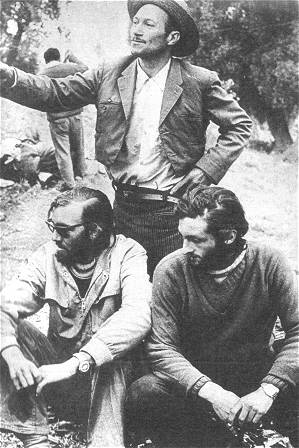
Passengers Nando Parrado and Roberto Canessa, lacking mountaineering gear of any kind, climbed from the glacier at 3,570 metres (11,710 ft) to the 4,670 metres (15,320 ft) peak blocking their way west. Over 10 days they trekked about 38 miles (61 km) seeking help. The first person they saw was Chilean arriero Sergio Catalán, who gave them food and then rode for ten hours to alert authorities. The story of the passengers’ survival after 72 days drew international attention. The remaining 16 survivors were rescued on December 23, 1972, more than two months after the crash.
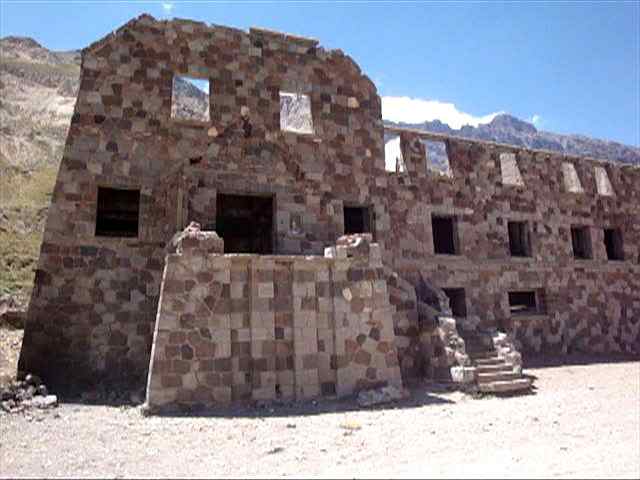
The survivors were concerned about what the public and family members of the dead might think about their acts of eating the dead. There was an initial public backlash, but after they explained the pact the survivors made to sacrifice their flesh if they died to help the others survive, the outcry diminished and the families were more understanding. The incident was later known as the Andes flight disaster and, in the Hispanic world, as El Milagro de los Andes (The Miracle of the Andes).

Most notable historic snippets or facts extracted from the book ‘On This Day’ first published in 1992 by Octopus Publishing Group Ltd, London, as well as additional supplementary information extracted from Wikipedia.
HAVE YOUR SAY
Like our Facebook page, follow us on Twitter and Instagram
For news straight to your phone, add us on WhatsApp 082 421 6033