December 30: On This Day in World History … briefly
Having decided that Rasputin's influence over the Tsarina had made him a threat to the empire, a group of nobles led by Prince Felix Yusupov, the Grand Duke Dmitri Pavlovich, and the right-wing politician Vladimir Purishkevich concocted a plan to kill Rasputin in December 1916
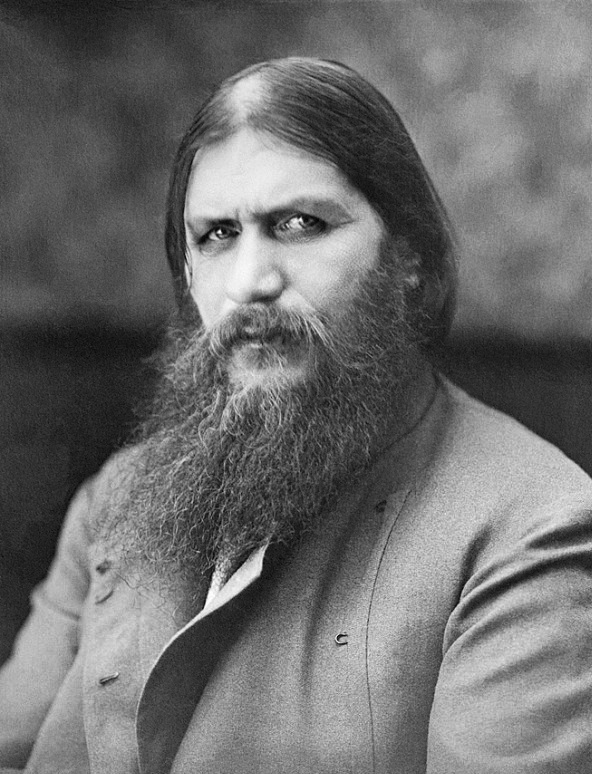
1916: Rasputin is murdered
Grigori Yefimovich Rasputin was a Russian mystic and self-proclaimed holy man who befriended the family of Tsar Nicholas II, the last monarch of Russia, and gained considerable influence in late imperial Russia. Born to a peasant family in the Siberian village of Pokrovskoye, Tyumen Oblast, Rasputin had a religious conversion experience after taking a pilgrimage to a monastery in 1897. He has been described as a monk or as a ‘strannik’ (wanderer, or pilgrim), though he held no official position in the Russian Orthodox Church. After traveling to St. Petersburg, either in 1903 or the winter of 1904–5, Rasputin captivated some church and social leaders. He became a society figure, and met the Tsar in November 1905.
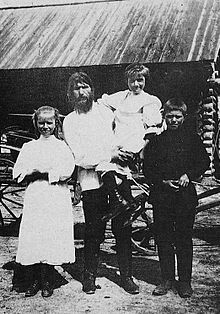
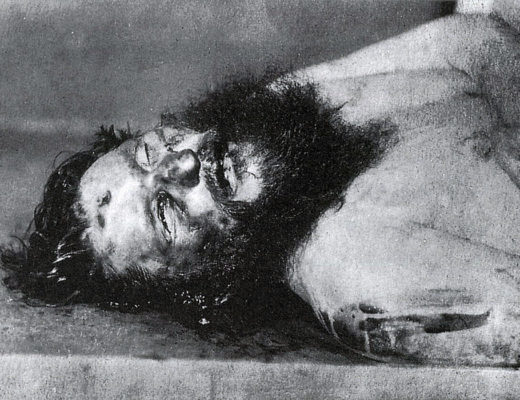
In late 1906, Rasputin began acting as a healer for the Tsar and his wife Alexandra’s son Alexei, who suffered from hemophilia and was Nicholas’ only heir (Tsarevitch). At court, he was a divisive figure, seen by some Russians as a mystic, visionary, and prophet, and by others as a religious charlatan. The high point of Rasputin’s power was in 1915, when Nicholas II left St Petersburg to oversee Russian armies fighting World War I, increasing both Alexandra and Rasputin’s influence. As Russian defeats in the war mounted, however, both Rasputin and Alexandra became increasingly unpopular. In the early morning of December 30, 1916, Rasputin was assassinated by a group of conservative noblemen who opposed his influence over Alexandra and the Tsar.
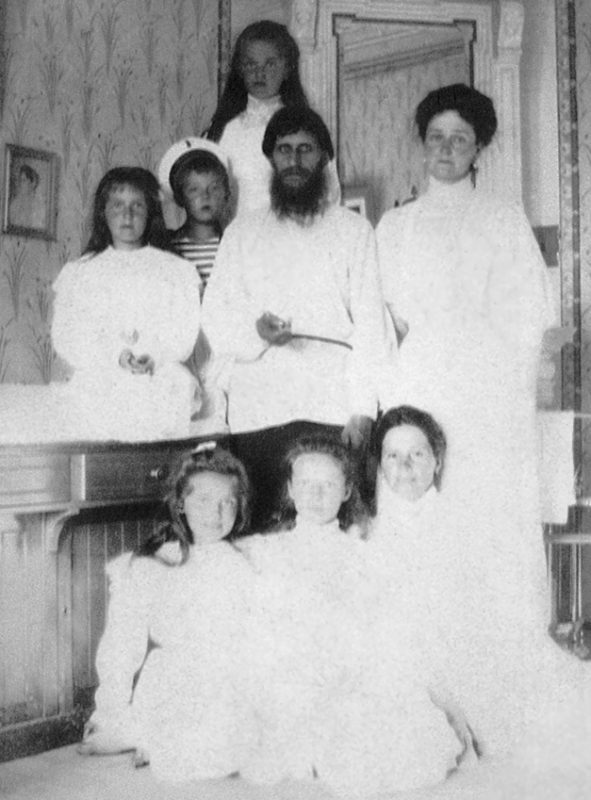
Historians often suggest that Rasputin’s terrible reputation helped discredit the tsarist government, and thus helped precipitate the overthrow of the Romanov dynasty, which happened a few weeks after he was assassinated. Very little about Rasputin’s life and influence is certain, however, as accounts have often been based on hearsay, rumour, and legend.
Most notable historic snippets or facts extracted from the book ‘On This Day’ first published in 1992 by Octopus Publishing Group Ltd, London, as well as additional supplementary information extracted from Wikipedia.
HAVE YOUR SAY
Like our Facebook page, follow us on Twitter and Instagram
For news straight to your phone, add us on WhatsApp 082 421 6033