April 6: On This Day in World History … briefly
On April 6, 1994, an aeroplane carrying Habyarimana and Burundian President Cyprien Ntaryamira was shot down on its descent into Kigali. At the time, the plane was in the airspace above Habyarimana's house. The assassination of Habyarimana ended all peace accords.
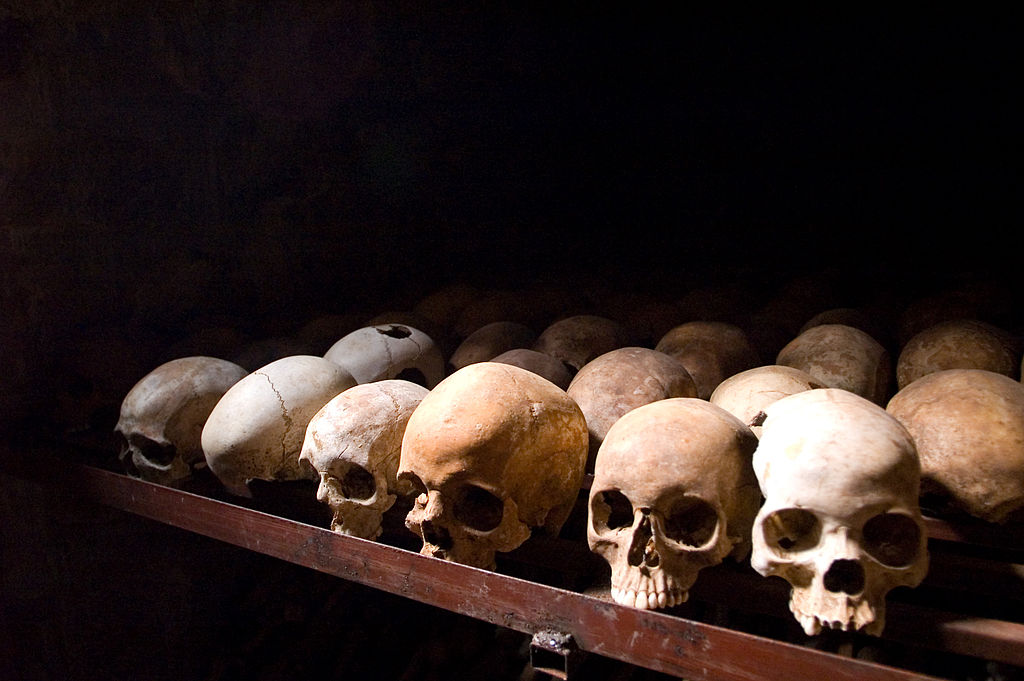
1994: Rwandan genocide begins with African presidents’ plane shot down
Presidents of the African states of Rwanda and Burundi were killed when their plane crashed near Kigali, Rwanda. Some observers said that the aircraft was brought down by rocket fire.
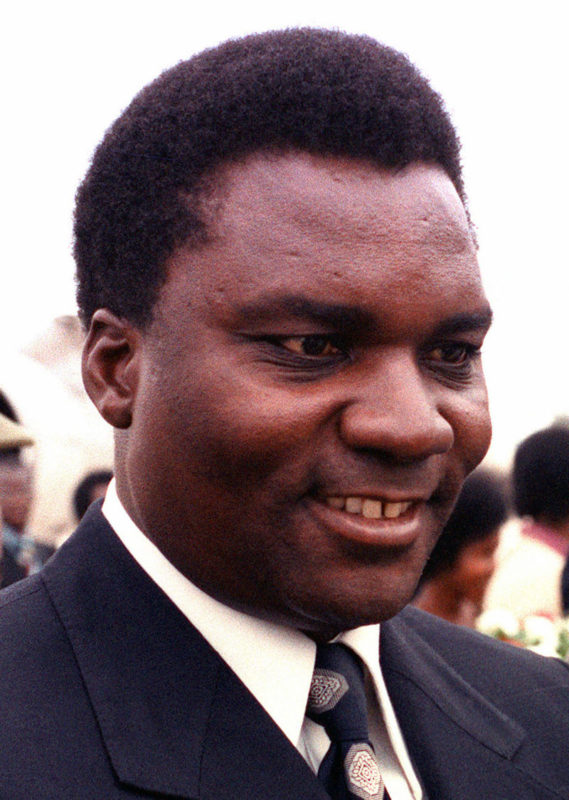
Juvenal Habyarimana and Cyprian Ntayamira were returning from a meeting of African leaders in Tanzania, set up to discuss ways of ending the ethnic violence in their countries.
Violent clashes between the Hutu tribe and the minority Tutsis had plagued both states for hundreds of years and the deaths of the presidents made the situation much worse.
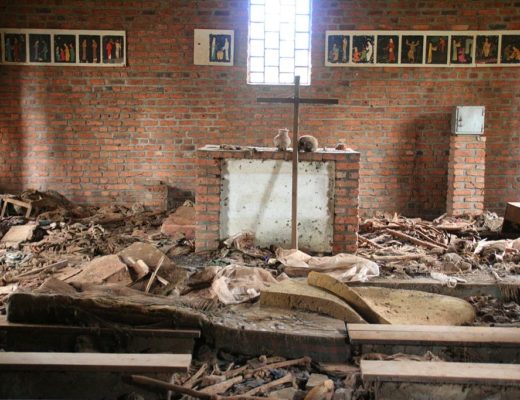
Genocidal killings began the following day. Soldiers, police, and militia quickly executed key Tutsi and moderate Hutu military and political leaders who could have assumed control in the ensuing power vacuum.
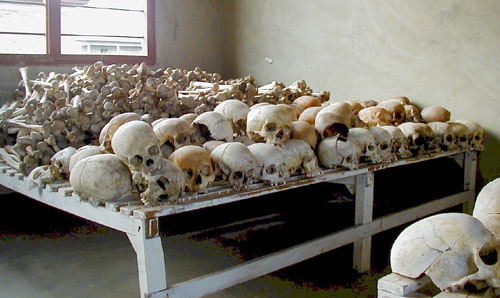
Checkpoints and barricades were erected to screen all holders of the national ID card of Rwanda (it contained ethnic classifications; the Belgian colonial government had introduced use of these classifications and IDs in 1933). This enabled government forces to systematically identify and kill Tutsi.
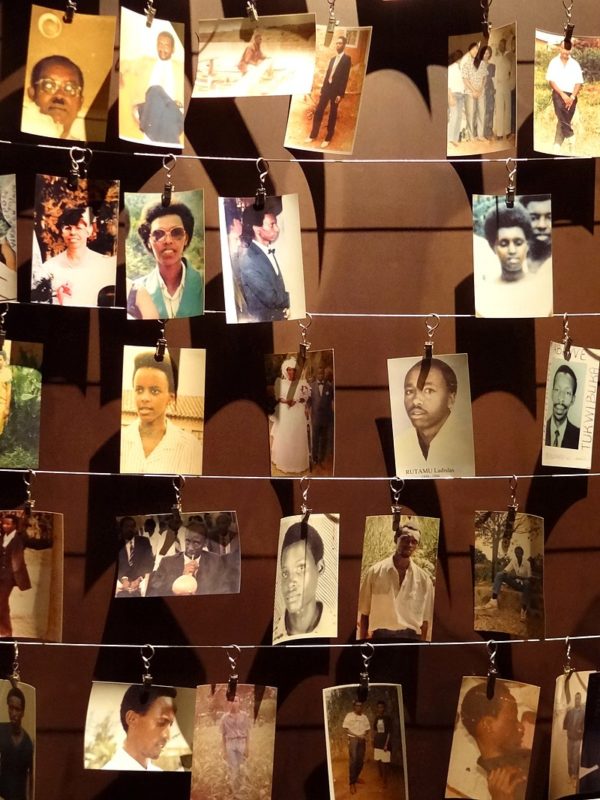
Today, Rwanda has two public holidays mourning the genocide. The national mourning period begins with Kwibuka (Remembrance), the national commemoration, on April 7 and concludes with Liberation Day on July 4. The week following April 7 is an official week of mourning, known as ‘Icyunamo’. As a result of the genocide, nations collaborated to establish the International Criminal Court in order to prosecute genocide, crimes against humanity, and war crimes.
Most notable historic snippets or facts extracted from the book ‘On This Day’ first published in 1992 by Octopus Publishing Group Ltd, London, as well as additional supplementary information extracted from Wikipedia.
HAVE YOUR SAY
Like our Facebook page, follow us on Twitter and Instagram