May 22: On This Day in World History … briefly
Lassen Peak erupted with a powerful force - the only volcano besides Mount St Helens to erupt in the contiguous US during the 20th century.
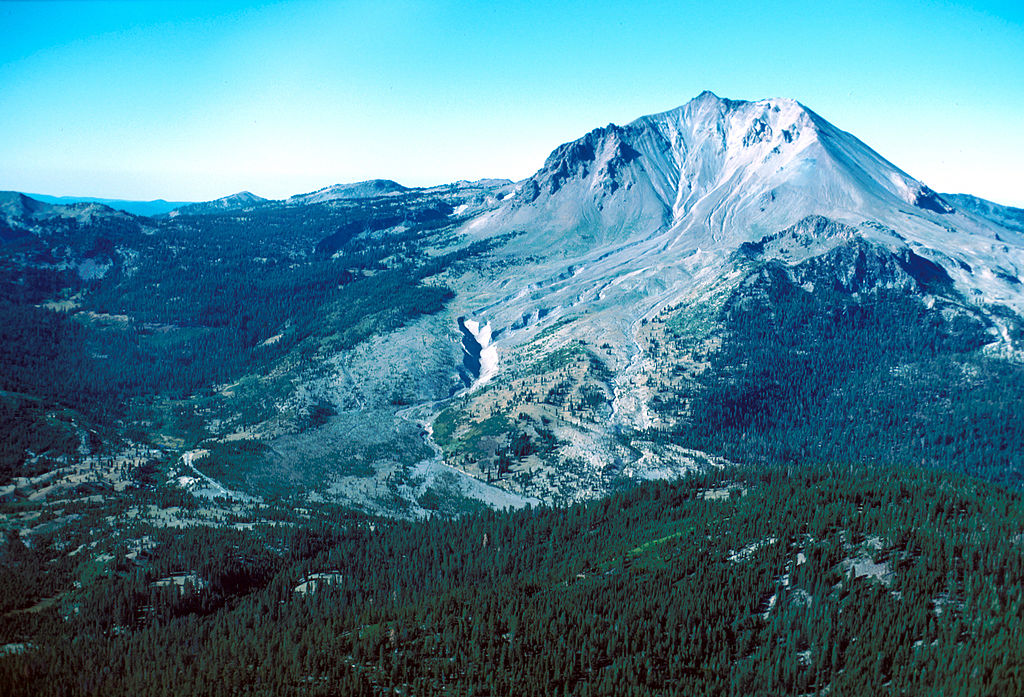
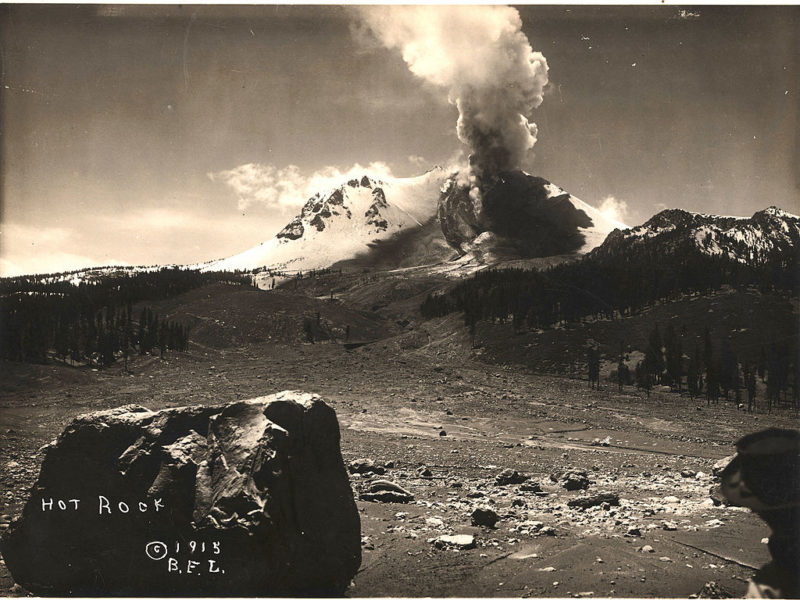
1915: Powerful eruption can be seen from 240km away
Lassen Peak, commonly referred to as Mount Lassen, is the southernmost active volcano in the Cascade Range of the Western United States. Located in the Shasta Cascade region of Northern California, it is part of the Cascade Volcanic Arc, which stretches from southwestern British Columbia to northern California. Lassen Peak reaches an elevation of 10 457 feet (3 187 m), standing above the northern Sacramento Valley. It supports many flora and fauna among its diverse habitats, which are subject to frequent snowfall and reach high elevations.
A lava dome, Lassen Peak has a volume of 0.6 cubic miles (2.5km3) making it the largest lava dome on Earth. The volcano arose from the destroyed northern flank of now-collapsed Brokeoff Volcano about 27 000 years ago, from a series of eruptions over the course of a few years. The mountain has been significantly eroded by glaciers over the last 25 000 years, and is now covered in talus deposits.
On May 22, 1915, a powerful explosive eruption at Lassen Peak devastated nearby areas and spread volcanic ash as far as 280 miles (450km) to the east. This explosion was the most powerful in a series of eruptions from 1914 through 1917. Lassen Peak and Mount St. Helens were the only two volcanoes in the contiguous United States to erupt during the 20th century.
Most notable historic snippets or facts extracted from the book ‘On This Day’ first published in 1992 by Octopus Publishing Group Ltd, London, as well as additional supplementary information extracted from Wikipedia.
HAVE YOUR SAY
Like our Facebook page, follow us on Twitter and Instagram