June 23: On This Day in World History … briefly
Frank Provo of GameSpot described the game as 'one of the best platformers of all time', finding that despite technical issues in the Game Boy Advance port 'after all these years, the underlying graphics, audio, and gameplay still hold up.'
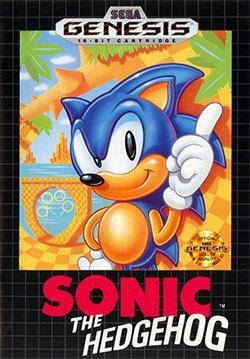
1991: Sonic the Hedgehog kick starts the Sonic franchise
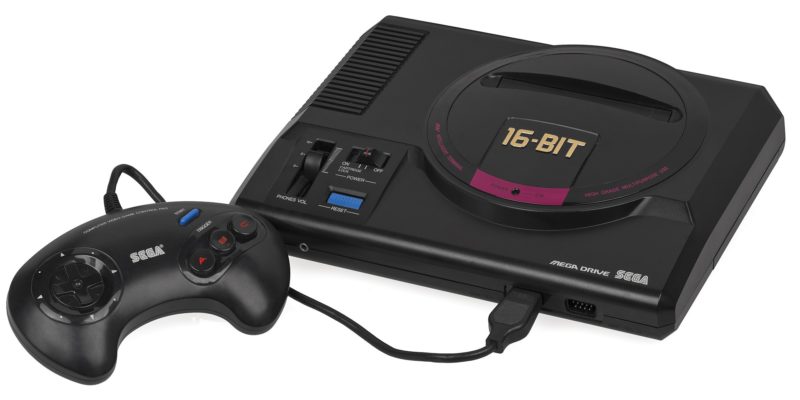
Sonic the Hedgehog, also referred to as Sonic 1, is a platform game developed by Sonic Team and published by Sega for the Sega Genesis console. It was released in North America in June 1991, and in PAL regions and Japan the following month.
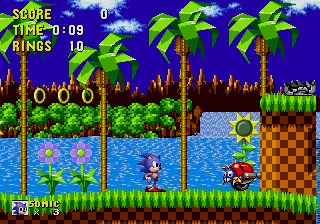
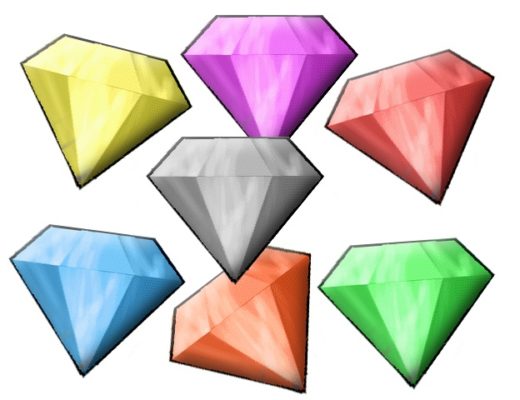
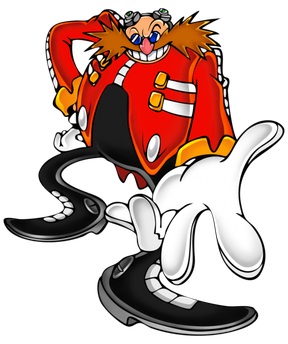
The game features an anthropomorphic hedgehog named Sonic in a quest to defeat Doctor Robotnik, a scientist who has imprisoned animals in robots and stolen the powerful Chaos Emeralds. The gameplay involves collecting rings as a form of health and a simple control scheme, with jumping and attacking controlled by a single button.
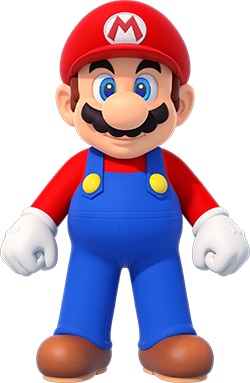
Development began in 1990 when Sega ordered its developers to create a game featuring a mascot for the company. After considering a number of suggestions, the developers decided on a blue hedgehog and named themselves ‘Sonic Team’ to match their character. Sonic the Hedgehog, designed for fast gameplay, was influenced by games by Super Mario series creator Shigeru Miyamoto.
Sonic the Hedgehog uses a novel technique that allows Sonic’s sprite to roll along curved scenery, which originated in a tech demo created by programmer Yuji Naka.
Sonic the Hedgehog was well received by critics, who praised its visuals, audio, and gameplay. It was also commercially successful, establishing the Genesis as a key player in the 16-bit era and allowing it to compete with Nintendo and their Super Nintendo Entertainment System console.

The game has been ported a number of times, and inspired several clones, a successful franchise, and adaptations into other media. It is often cited as one of the greatest video games of all time.
Most notable historic snippets or facts extracted from the book ‘On This Day’ first published in 1992 by Octopus Publishing Group Ltd, London, as well as additional supplementary information extracted from Wikipedia.
HAVE YOUR SAY
Like our Facebook page, follow us on Twitter and Instagram