July 10 is panic awareness day – don’t suffer in silence
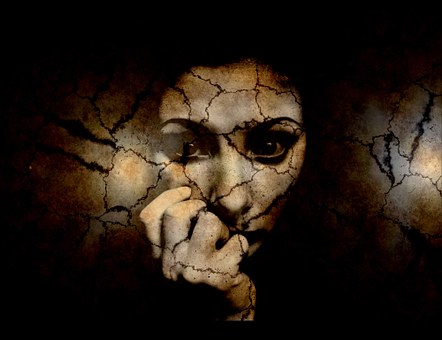
Panic Disorder can be a terrifying illness that can cause great distress, isolation - and it limits life.
There is such misunderstanding around Panic Attacks and Panic Disorder, especially the stigma and shame that is linked to it, that the South African Depression and Anxiety Group (SADAG) has a dedicated day on the national health calendar committed to raising awareness and providing support for this treatable condition that affects so many South Africans.
Panic Disorder can be a terrifying illness that can cause great distress, isolation, and limits your life. Don’t suffer in silence and alone. There is help. There is treatment. And there are people who understand. Contact SADAG. Remember that attacks always end. Always. Panic is not dangerous. Don’t let panic win, “You can take control back of your life again,” says Zane Wilson.
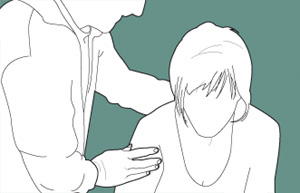
A panic attack is a sudden surge of overwhelming fear that comes without warning and without any obvious reason. It is far more intense than the feeling of being ‘stressed out’ that most people experience. Some of these attacks are on a frequent or regular basis that may stop you going to the shops, or to work, or to movies, or going out in public.
“During a panic attack, the individual usually thinks something like ‘I am having a heart attack’ or ‘I am going insane’, but may not be aware of how those thoughts affect, even exacerbate, the attack’s symptoms”, says Clinical Psychologist and CBT Expert, Dr Colinda Linde.
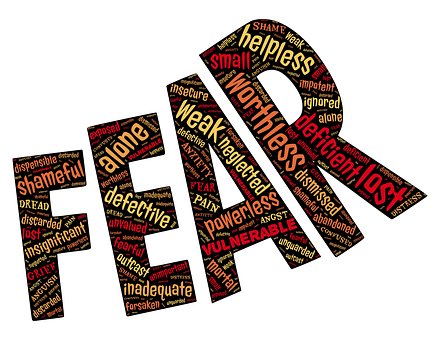
“During Cognitive Behaviour Therapy (CBT), people learn to recognize their earliest thoughts and feeling and modify their response to them – instead of “I’m going to have a heart attack”, rather think and say “It’s only uneasiness – it will pass”. It really does help to reduce the anxiety and ward off a panic attack.” Says Dr Linde.
Panic Disorder is highly treatable, and learning about Anxiety Disorders and accepting that they can happen to anybody is a far better option to attempting to hide or to ignore the problem and allow it to jeopardise your career, marriage and relationships with children, parents and friends.
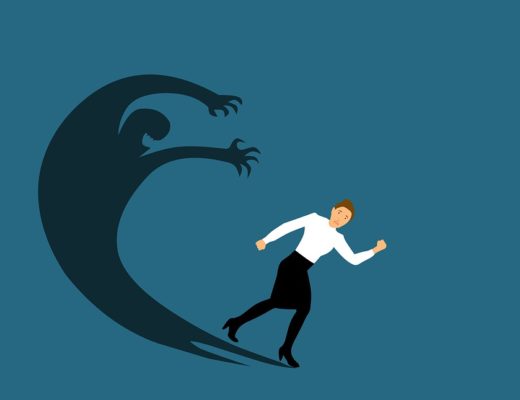
Signs of a panic attack include:
– Racing heartbeat;
– Difficulty breathing – feeling as if you cannot get enough air;
– Terror that is almost paralysing;
– Dizziness, light-headedness or nausea;
– Choking, chest pains;
– Hot flashes or sudden chills;
– Tingling in fingers or toes ‘pins and needles’;
– Feeling of impending doom, or that you are going to die.
Fast Facts about panic
– The average length of a panic attack is 4 – 6 minutes;
– Two to four percent of the population will suffer from panic disorder at some point in their lives;
– Panic is twice as common in women as it is in men;
– Panic Disorder is frequently misdiagnosed as a thyroid problem, hypoglycaemia or a heart valve problem;
The good news
Panic disorder is a highly treatable condition. With the right combinations of therapy, support and sometimes medication if necessary 90 percent of people recover fully. The remaining 10 percent experience significant recovery and improvement.
Issued by: South African Depression and Anxiety Group (SADAG)
HAVE YOUR SAY
Like the South Coast Herald’s Facebook page, follow us on Twitter and Instagram
To receive our FREE email newsletter, click HERE