October 31: On This Day in World History … briefly
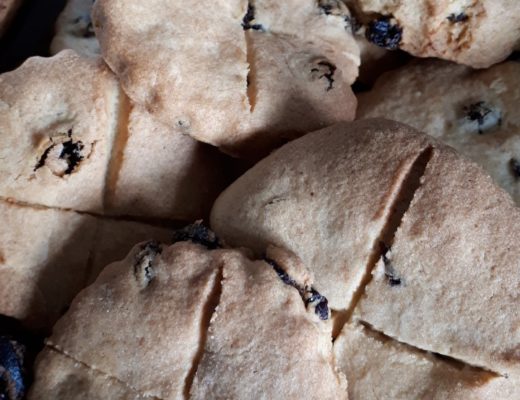
A soul cake, also known as a soulmass-cake, is a small round cake which is traditionally made for Halloween, All Saints' Day and All Souls' Day to commemorate the dead in the Christian tradition.
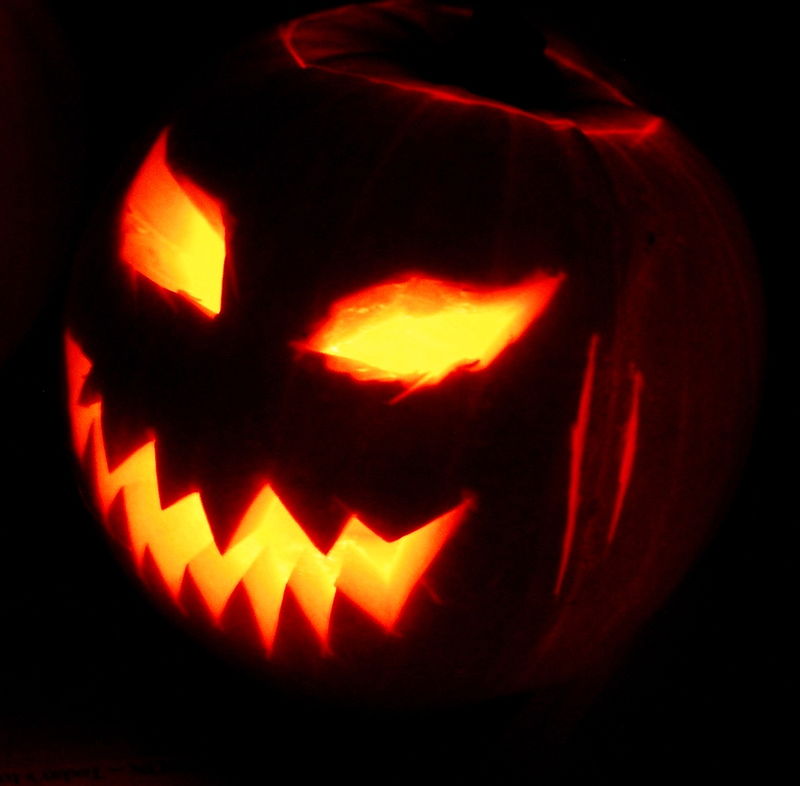
Things that go bump in the night … the origin of Halloween
Halloween or Hallowe’en (a contraction of Hallows’ Even or Hallows’ Evening), also known as Allhalloween, All Hallows’ Eve, or All Saints’ Eve, is a celebration observed in several countries on 31 October, the eve of the Western Christian feast of All Hallows’ Day. It begins the three-day observance of Allhallowtide, the time in the liturgical year dedicated to remembering the dead, including saints (hallows), martyrs, and all the faithful departed.
It is widely believed that many Halloween traditions originated from ancient Celtic harvest festivals, particularly the Gaelic festival Samhain; that such festivals may have had pagan roots; and that Samhain itself was Christianised as Halloween by the early Church. Some believe, however, that Halloween began solely as a Christian holiday, separate from ancient festivals like Samhain.
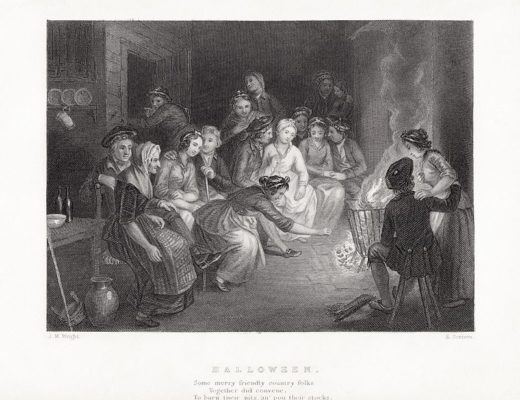
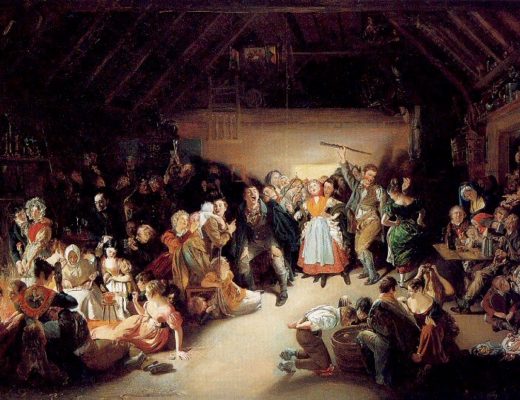
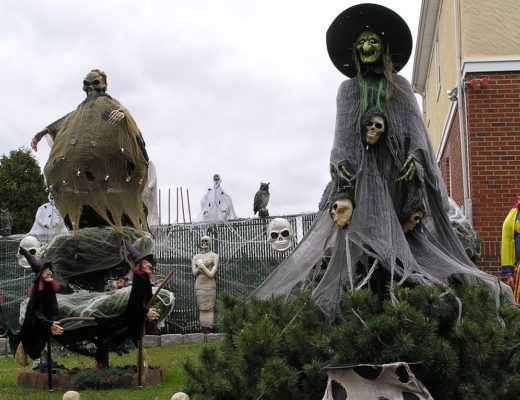
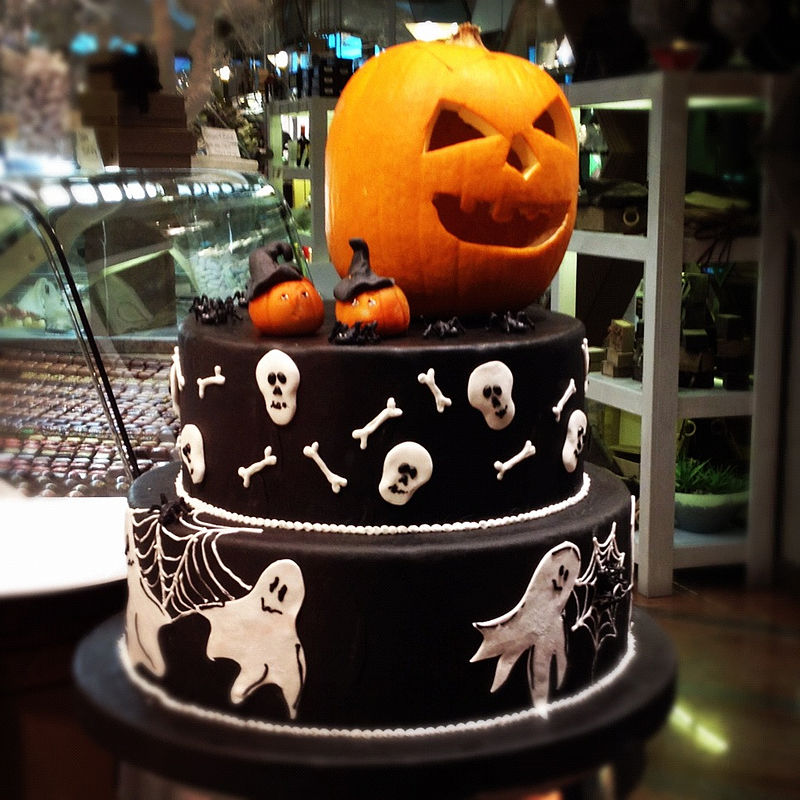
Halloween activities include trick-or-treating (or the related guising and souling), attending Halloween costume parties, carving pumpkins into jack-o’-lanterns, lighting bonfires, apple bobbing, divination games, playing pranks, visiting haunted attractions, telling scary stories, as well as watching horror films.
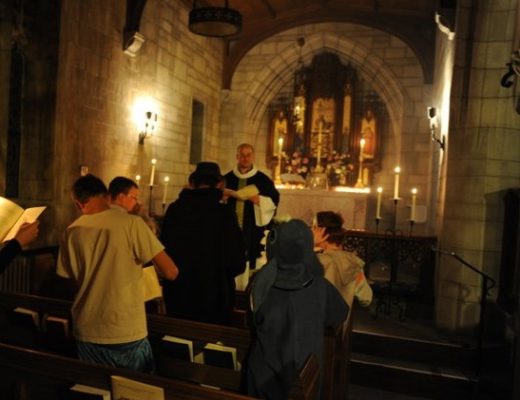
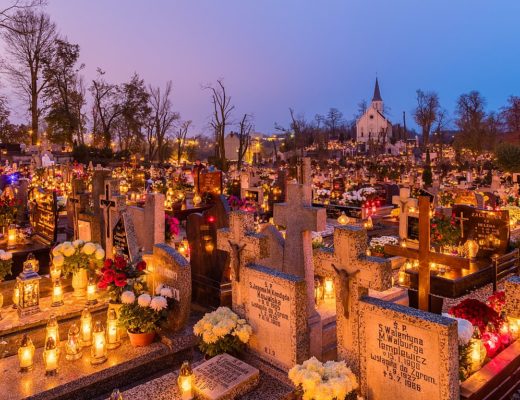
In many parts of the world, the Christian religious observances of All Hallows’ Eve, including attending church services and lighting candles on the graves of the dead, remain popular, although elsewhere it is a more commercial and secular celebration. Some Christians historically abstained from meat on All Hallows’ Eve, a tradition reflected in the eating of certain vegetarian foods on this vigil day, including apples, potato pancakes and soul cakes.
Today, Christian attitudes towards Halloween are diverse. In the Anglican Church, some dioceses have chosen to emphasise Christian traditions associated with All Hallow’s Eve. Some of these practices include praying, fasting and attending worship services.
O LORD our God, increase, we pray thee, and multiply upon us the gifts of thy grace: that we, who do prevent the glorious festival of all thy Saints, may of thee be enabled joyfully to follow them in all virtuous and godly living. Through Jesus Christ, Our Lord, who liveth and reigneth with thee, in the unity of the Holy Ghost, ever one God, world without end. Amen. – Collect of the Vigil of All Saints, The Anglican Breviary.
Allhallowtide, Hallowtide, Allsaintstide, or the Hallowmas season, is the triduum encompassing the Western Christian observances of All Saints’ Eve (Halloween), All Saints’ Day (All Hallows’) and All Souls’ Day, which last from 31 October to 2 November annually. Allhallowtide is a ‘time to remember the dead, including martyrs, saints, and all faithful departed Christians.’
The present date of Hallowmas (All Saints’ Day) and thus also of its vigil (Hallowe’en) was established for Rome perhaps by Pope Gregory III (731–741) and was made of obligation throughout the Frankish Empire by Louis the Pious in 835. Elsewhere, other dates were observed even later, with the date in Ireland being 20 April. In the early 11th century, the modern date of All Souls’ Day was popularised, after Abbot Odilo established it as a day for the monks of Cluny and associated monasteries to pray for the dead.
Most notable historic snippets or facts extracted from the book ‘On This Day’ first published in 1992 by Octopus Publishing Group Ltd, London, as well as additional supplementary information extracted from Wikipedia.
HAVE YOUR SAY
Like the South Coast Herald’s Facebook page, follow us on Twitter and Instagram
To receive our FREE email newsletter, click HERE