December 14: On This Day in World History … briefly
Despite initial dispersals of emergency funds, receiving tens of millions of dollars from international organizations and the announcement of reconstruction plans, little came of the process and Chávez grew distracted with political squabbles, abandoning attention on the tragedy with recovery ultimately halting.
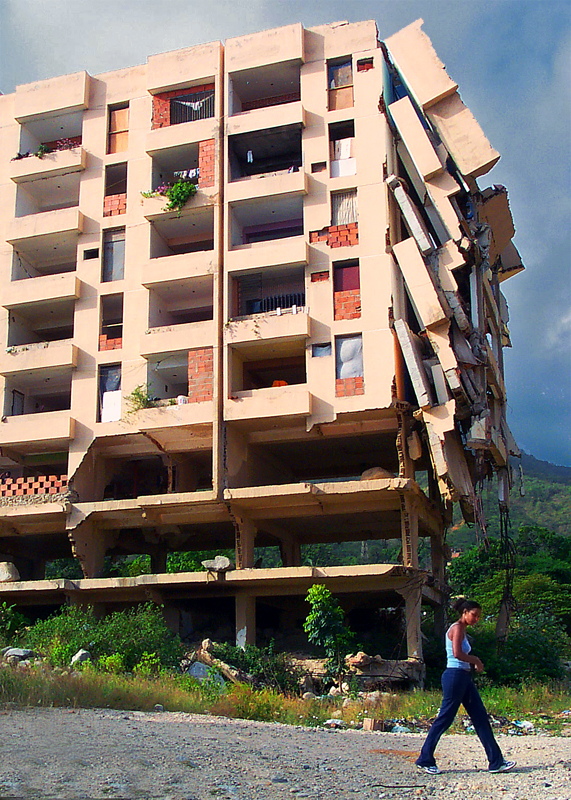
1999 – Flash floods in Venezuela results in tens of thousands of deaths
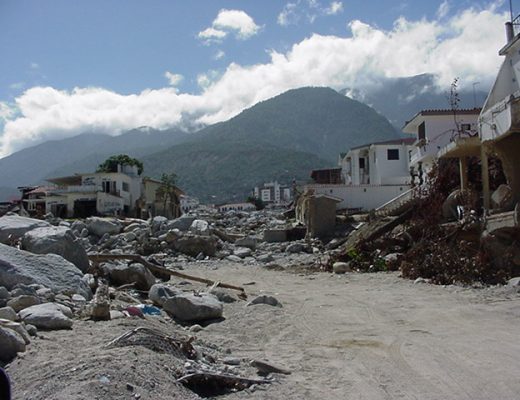
The Vargas tragedy was a natural disaster that occurred in Vargas State, Venezuela on 14–16 December 1999, when torrential rains caused flash floods and debris flows that killed tens of thousands of people, destroyed thousands of homes, and led to the complete collapse of the state’s infrastructure.
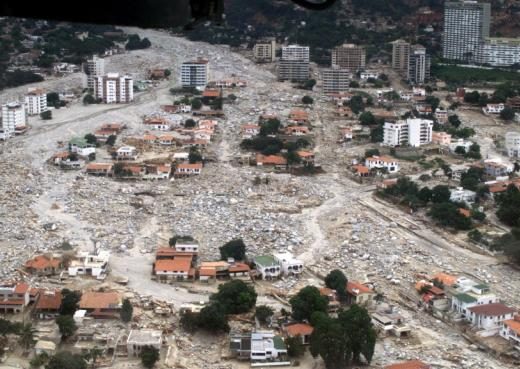
According to relief workers, the neighborhood of Los Corales was buried under 3 metres (9.8 ft) of mud and a high percentage of homes were simply swept into the ocean. Entire towns including Cerro Grande and Carmen de Uria completely disappeared. As much as 10% of the population of Vargas died during the event.
The disaster was of such magnitude that the president of the Red Cross initially presumed more than 50 000 dead. The first priority was to evacuate survivors; more than 100 000 people were ultimately evacuated. After the disaster, Venezuelan President Hugo Chávez advocated for other Venezuelans to open up their homes and ‘adopt a family’. The former First Lady of Venezuela arranged the temporary sheltering of children that were feared orphaned in La Casona, the Presidential residence in Caracas. Others offered help, including Major League Baseball shortstop Omar Vizquel, a native Venezuelan, who helped raise over $500 000 in relief funds.
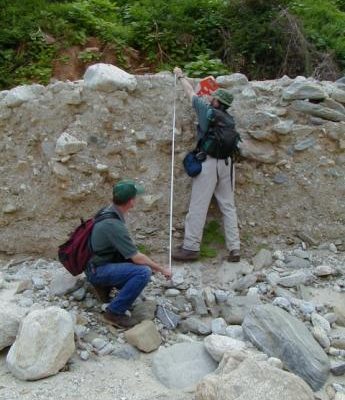
After the initial emergency response, focus shifted to analyzing the causes of the disaster, and working to create a sustainable infrastructure for dealing with future torrential rains. A disaster relief team from the United States headed up by New Mexico state Senator Joseph Carraro arrived with a medical team and supplies to assess the damage and help those who were displaced. Contact was made with Los Alamos Laboratory in New Mexico to determine any radioactive activity included in the debris field. Water purification and sleeping units were provided.
Most notable historic snippets or facts extracted from the book ‘On This Day’ first published in 1992 by Octopus Publishing Group Ltd, London, as well as additional supplementary information extracted from Wikipedia.
HAVE YOUR SAY
Like the South Coast Herald’s Facebook page, follow us on Twitter and Instagram
To receive our FREE email newsletter, click HERE