December 18: On This Day in World History … briefly
There has been conjecture that the wood used may have been treated with several types of minerals, both before and after construction of a violin. Scientists at National Taiwan University have detected trace amounts of aluminum, copper, and calcium in wood from Stradivari violins.
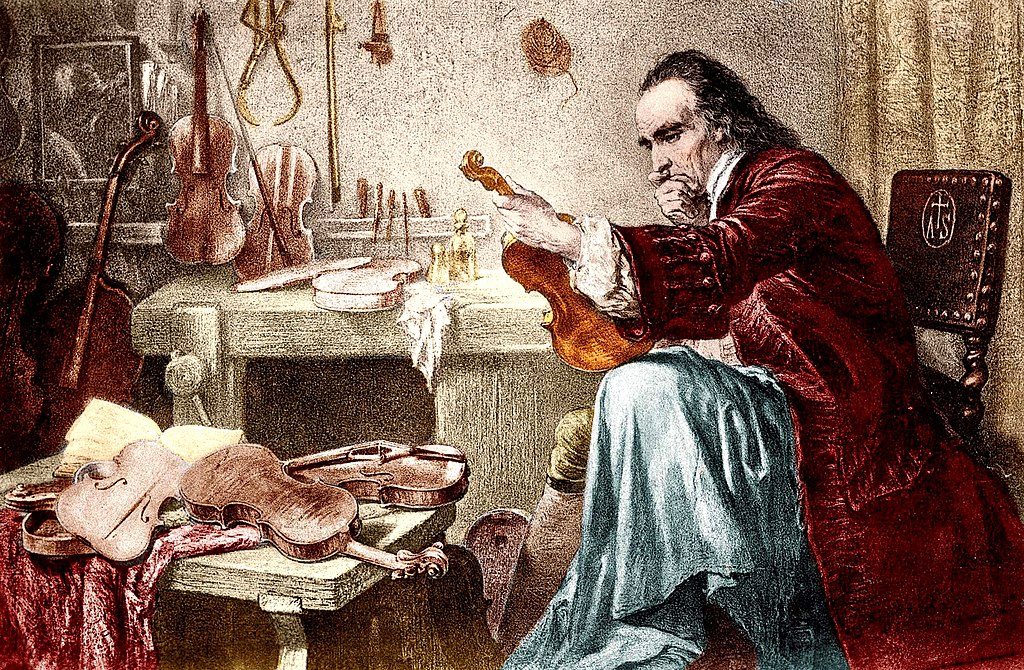
1737: Stradivari dies in Cremona
Master violin maker Antonio Stradivari dies at his home in Cremona, after a life spent bringing violin-making to perfection. Born in 1644, Stradivari apprenticed to the great Amati, but by 1684 had diverged from his mentor and was producing larger violins with deeper coloured varnish, and experimenting with small details.
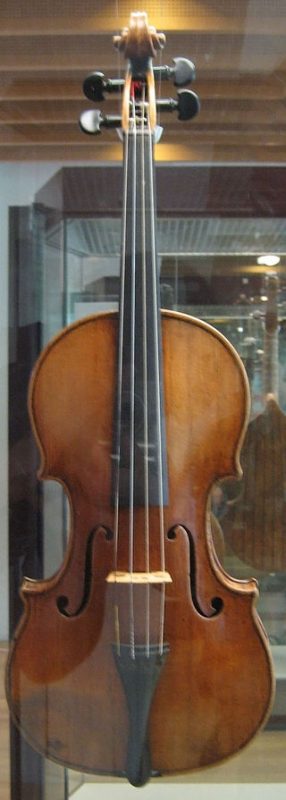
From 1690, his long models represented a complete innovation with regard to the proportions of the instrument. In the early 1700s Stradivari broadened and improved his model and began making fine cellos and violas as well. Stradivari created the standards by which violins can be judged and devised the current form of the bridge, also setting the proportions for today’s violin with its shallower body that yields a more powerful and penetrating tone than earlier violins.
Most notable historic snippets or facts extracted from the book ‘On This Day’ first published in 1992 by Octopus Publishing Group Ltd, London, as well as additional supplementary information extracted from Wikipedia.
HAVE YOUR SAY
Like the South Coast Herald’s Facebook page, follow us on Twitter and Instagram
To receive our FREE email newsletter, click HERE