December 30: On This Day in World History … briefly
Police are still seeking those responsible for setting off the flare, the guilty parties could face eight to twenty years in prison.
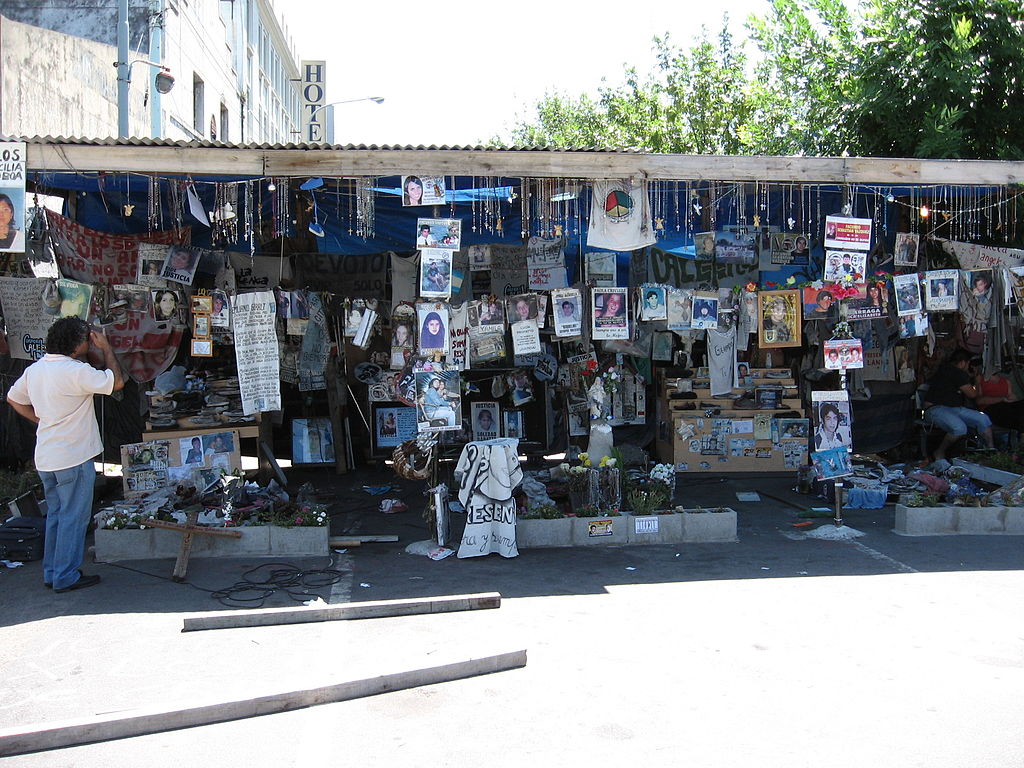
2004: Buenos Aires nightclub fire kills 194
The República Cromañón nightclub fire occurred in Buenos Aires, Argentina on 30 December 2004, killing 194 people and leaving at least 1 492 injured. The tragedy was symbolic of government failure in Argentina, since the club had received a permit despite lacking basic fire safety measures like fire extinguishers. República Cromañón was a facility that held concerts and events. It was located on 3060/3066/3070 Bartolomé Mitre in the Balvanera neighbourhood of Buenos Aires. It was operated by Omar Chabán, and opened on 12 April 2004, with a concert of the same band who played the day of the fire: Callejeros. The club was in a two story building, with a main entrance with six doors behind it leading into the main area of the nightclub, on the night of the fire four of the six doors were locked. There was also a connection to a nearby hotel, an emergency exit that was locked, and another emergency exit that was blocked by a fence in front of the stage. Fire safety measures in the building were extremely lacking with no reports of a fire detection or alarm system, emergency lighting, and fire suppression with ten of the fifteen fire extinguishers were depressurised and unusable. The nightclub’s fire safety license had run out the previous month.
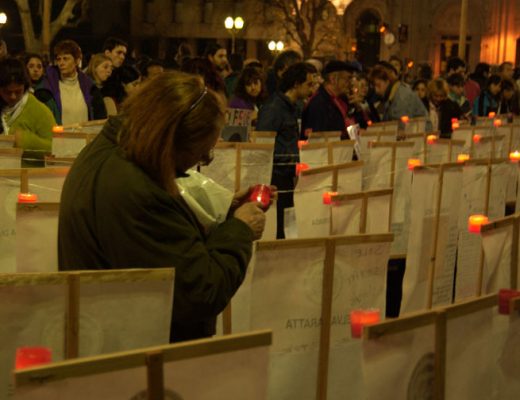
The venue was hosting rock group Callejeros and around 3 000 people were in attendance, which was double the venue’s capacity of 1 500. The blaze was started when a pyrotechnic flare (a popular device in New Year’s Eve celebrations) was set off and ignited foam in the ceiling. The materials used in the building for decoration were flammable: mostly wood, styrofoam, acoustic panels and a plastic net (media sombra). This plastic net was hung from the ceiling and caught fire first, melting into a rain of fire. In some parts of the building, teddy bear stuffing was used as a cheap alternative to wool fiber. The owner and the band’s lead singer had told the patrons not to use flares inside the building. Four of the six doors, some of which were fire exits, were chained shut so that ‘people would not enter without paying’, according to Mayor Aníbal Ibarra. Most of the victims died from inhaling poisonous gases, and carbon monoxide. After the fire the technical institution INTI found that the level of toxicity, due to the materials and volume of the building was 225 ppm of cyanide in the air. A lethal dose for rats is between 150 ppm and 220 ppm, meaning the air in the building was highly toxic. Many of the victims were identified to be in their teens and 20s, but rescue workers clearing the club also found children and babies. This is potentially due to survivor accounts that a bathroom inside the nightclub had been used as a nursery, where parents could leave their children for the show. Parents of many of the victims have worked to keep the victims memories alive, by planting 194 trees in honour of the deceased and creating a traveling exhibit of the victims’ photographs. A ceramics factory has donated memorial plaques to be dispersed across the country.
Most notable historic snippets or facts extracted from the book ‘On This Day’ first published in 1992 by Octopus Publishing Group Ltd, London, as well as additional supplementary information extracted from Wikipedia.
HAVE YOUR SAY
Like the South Coast Herald’s Facebook page, follow us on Twitter and Instagram
To receive our FREE email newsletter, click HERE