January 5: On This Day in World History … briefly
Shackleton embarked on an extensive lecture tour in which he talked not only about his own polar journeys but also those of Scott and Roald Amundsen
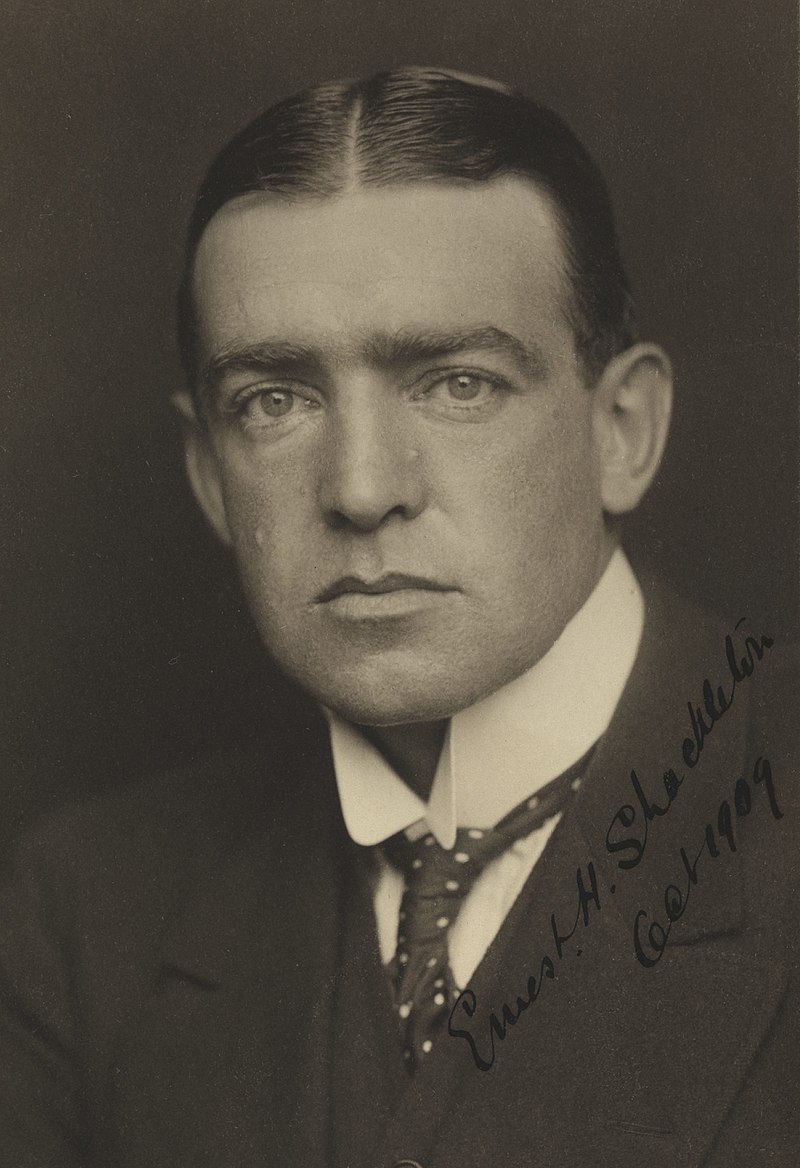
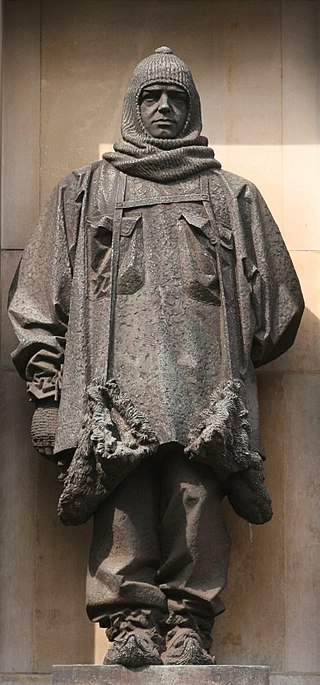
1922: Polar explorer Sir Ernest Shackleton dies
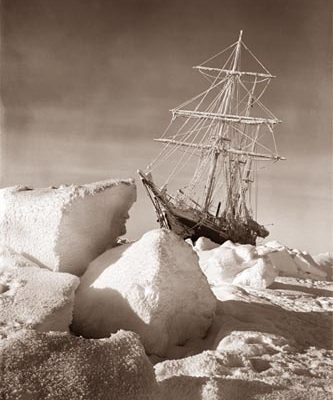
British polar explorer Sir Ernest Shackleton dis at sea while on his way to lead a fourth expedition to the Antarctic. His 1914 expedition to cross the Pole collapsed when his ship ‘Endurance’ became trapped in ice. He led his men to the edge of the ice and then sailed hundreds of miles in an open boat – an extraordinary feat during which no lives were lost.
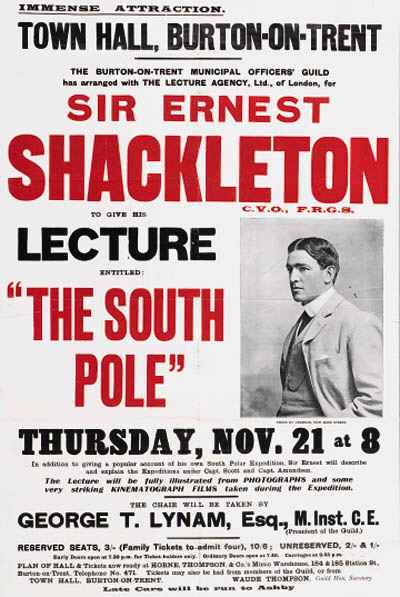
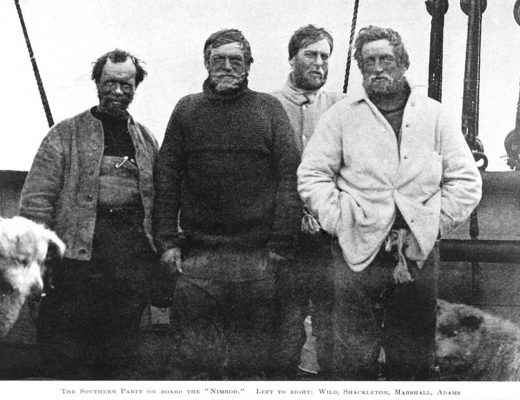
Born in Kilkea, County Kildare, Ireland, Shackleton and his Anglo-Irish family moved to Sydenham in suburban south London when he was ten. His first experience of the polar regions was as third officer on Captain Robert Falcon Scott’s ‘Discovery’ expedition of 1901–1904, from which he was sent home early on health grounds, after he and his companions Scott and Edward Adrian Wilson set a new southern record by marching to latitude 82°S. During the Nimrod expedition of 1907–1909, he and three companions established a new record Farthest South latitude at 88°S, only 97 geographical miles (112 statute miles or 180 kilometres) from the South Pole, the largest advance to the pole in exploration history. Also, members of his team climbed Mount Erebus, the most active Antarctic volcano. For these achievements, Shackleton was knighted by King Edward VII on his return home.
Shackleton returned to the lecture circuit and published his own account of the Endurance expedition, South, in December 1919. In 1920, tired of the lecture circuit, Shackleton began to consider the possibility of a last expedition. He thought seriously of going to the Beaufort Sea area of the Arctic, a largely unexplored region, and raised some interest in this idea from the Canadian government. With funds supplied by former schoolfriend John Quiller Rowett, he acquired a 125-ton Norwegian sealer, named Foca I which he renamed Quest.
The plan changed; the destination became the Antarctic, and the project was defined by Shackleton as an ‘oceanographic and sub-antarctic expedition’. The goals of the venture were imprecise, but a circumnavigation of the Antarctic continent and investigation of some “lost” sub-Antarctic islands, such as Tuanaki, were mentioned as objectives. Rowett agreed to finance the entire expedition, which became known as the Shackleton-Rowett Expedition. On 16 September 1921, Shackleton recorded a farewell address on a sound-on-film system created by Harry Grindell Matthews, who claimed it was the first “talking picture” ever made. The expedition left England on 24 September 1921. Although some of his former crew members had not received all their pay from the Endurance expedition, many of them signed on with their former ‘Boss’. When the party arrived in Rio de Janeiro, Shackleton suffered a suspected heart attack. He refused a proper medical examination, so Quest continued south, and on 4 January 1922, arrived at South Georgia.

In the early hours of the next morning, Shackleton summoned the expedition’s physician, Alexander Macklin, to his cabin, complaining of back pains and other discomfort. According to Macklin’s own account, Macklin told him he had been overdoing things and should try to ‘lead a more regular life’, to which Shackleton answered: “You are always wanting me to give up things, what is it I ought to give up?” “Chiefly alcohol, Boss,” replied Macklin. A few moments later, at 2.50am on 5 January 1922, Shackleton suffered a fatal heart attack.
Most notable historic snippets or facts extracted from the book ‘On This Day’ first published in 1992 by Octopus Publishing Group Ltd, London, as well as additional supplementary information extracted from Wikipedia.
HAVE YOUR SAY
Like the South Coast Herald’s Facebook page, follow us on Twitter and Instagram
To receive our FREE email newsletter, click HERE