January 6: On This Day in World History … briefly
According to the initial accounts of the Philippine authorities, Abdul Hakim Murad started a chemical fire in the kitchen sink in Room 603 in the sixth floor of the Doña Josefa apartment by pouring water on a substance.
1995: Chemical fire exposes mass terrorist attack plans
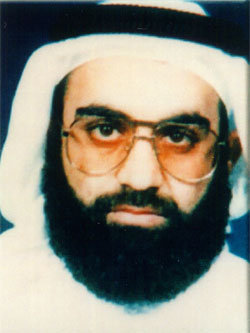
The Bojinka plot was a large-scale, three-phase attack planned by terrorists Ramzi Yousef and Khalid Sheikh Mohammed for January 1995. They planned to assassinate Pope John Paul II, blow up 11 airliners in flight from Asia to the United States with the goal of killing approximately 4 000 passengers and shutting down air travel around the world – and crash a plane into the headquarters of the CIA in Fairfax County, Virginia. Despite careful planning, the Bojinka plot was disrupted after a chemical fire drew the attention of the Philippine National Police – Western Police District on January 6 to 7, 1995. Yousef and Mohammed were unable to stage any of the three attacks. The only fatality resulted from a test bomb planted by Yousef on Philippine Airlines Flight 434 which killed one person and injured 10 others. They also planted two other bombs in a shopping mall and theatre in Southern Philippines.
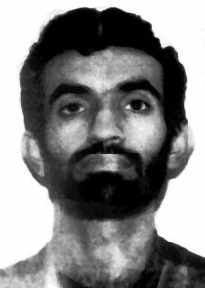
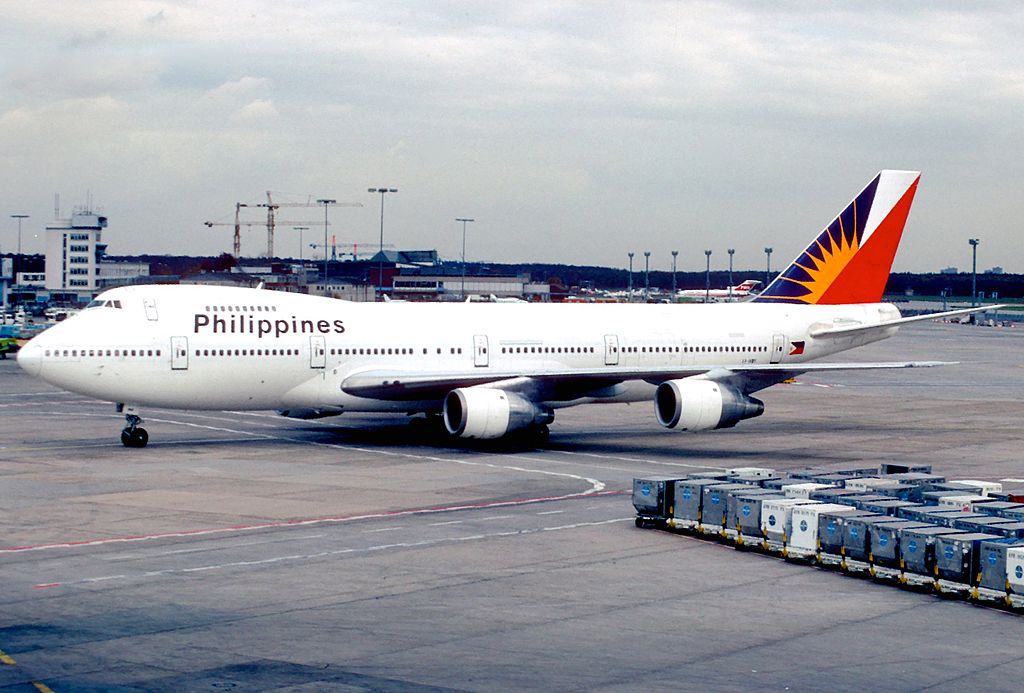
On December 11, 1994, Yousef built another bomb, which had one tenth of the power that his final bombs were planned to have, in the lavatory of an aircraft. He left it inside the life jacket under his seat (26 K) and got off the plane when it arrived in Cebu. Yousef had boarded the flight under the assumed name of Armaldo Forlani, using a false Italian passport. The aircraft was Philippine Airlines Flight 434 on a Manila to Narita route, stopping partway at Cebu. Yousef had set the timer for four hours after he got off the aircraft.
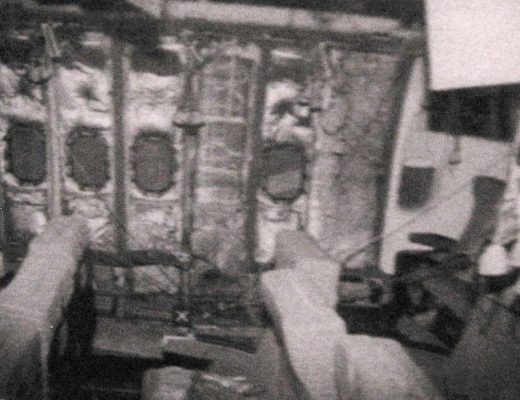
The bomb exploded while the aircraft was over Japan’s Minamidaitō Island, part of Okinawa Prefecture. A Japanese businessman named Haruki Ikegami occupying the seat was killed and an additional 10 passengers were injured. The flight was carrying 273 passengers in total. The blast blew a hole in the floor and the cabin’s rapid expansion severed several control cables in the ceiling, cutting off control of the plane’s right aileron, as well as both the pilot and first officer’s steering controls. Usually, 26K, the seat that Yousef chose to plant the bomb, would be positioned directly over the centre fuel tank, and the detonation of the bomb would have caused a crippling explosion, but on this particular airframe, a former Scandinavian Airlines aircraft, the seat was two rows forward from normal. The flight crew kept control of the Boeing 747-200 and brought it into an emergency landing at Okinawa’s Naha Airport.
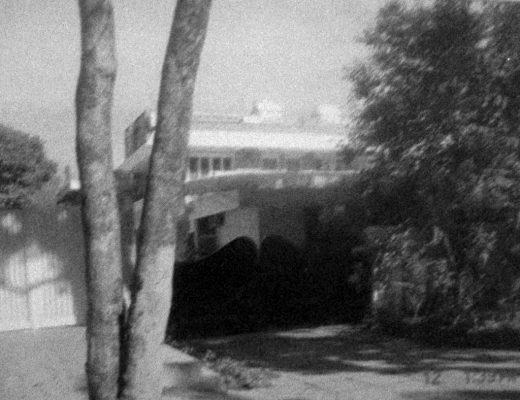
Yousef was arrested in the Su-Casa guest house in Islamabad, Pakistan on February 7, 1995, after a 23-day manhunt. Yousef later boasted to Secret Service agent Brian Parr about his plan. Wali Khan Amin Shah, the financier, was picked up in Malaysia in December 1995. His identity was revealed after he was fingerprinted. Shah was also extradited to the United States.
Most notable historic snippets or facts extracted from the book ‘On This Day’ first published in 1992 by Octopus Publishing Group Ltd, London, as well as additional supplementary information extracted from Wikipedia.
HAVE YOUR SAY
Like the South Coast Herald’s Facebook page, follow us on Twitter and Instagram
To receive our FREE email newsletter, click HERE