February 2: On This Day in World History … briefly
Another group of hikers about 50km south of the incident reported that they saw strange orange spheres in the sky to the north on the night of the incident. However, these sightings were not noted in the initial investigation in 1959, and these various independent witnesses only came forward years later.
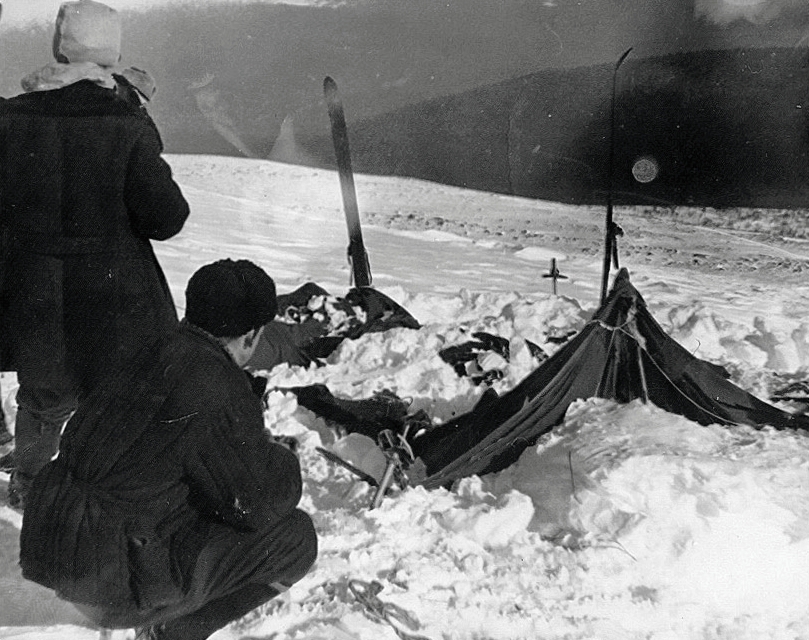
1959: Nine experienced ski hikers die under mysterious circumstances
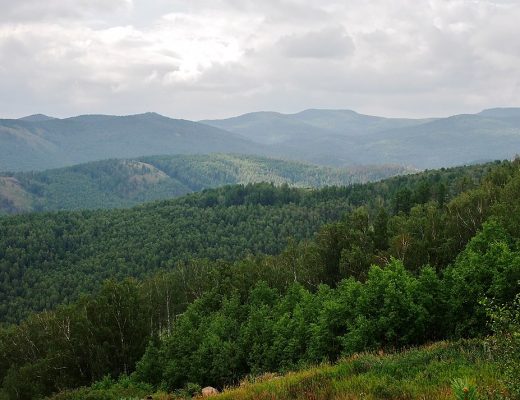
The Dyatlov Pass incident was an event where nine Russian hikers died in the northern Ural Mountains between February 1 and 2, 1959, in uncertain circumstances. The experienced trekking group, who were all from the Ural Polytechnical Institute, had established a camp on the slopes of Kholat Syakhl, in an area now named in honor of the group’s leader, Igor Dyatlov. During the night, something caused them to tear their way out of their tents and flee the campsite, all while inadequately dressed for the heavy snowfall and sub-zero temperatures. The harsh weather at the same time played a critical role in the events of the tragic night, which has been reconstructed as follows:
- On February 1 the group arrives at the Kholat Syakhl mountain and erects a large, nine-person tent on an open slope, without any natural barriers, such as forests. On the day and a few preceding days a heavy snowfall continued, with strong wind and frost;
- The group, traversing through the slope and digging in the tent into the snow weakens the snow base. During the night the snow field above the tent starts to slide down slowly under the weight of the new snow, gradually pushing on the tent fabric, starting from the entrance. The group wakes up and starts evacuation in panic, with only some able to put on warm clothes. Since the entrance was blocked, the group escapes through a hole cut in the tent fabric and descends the slope to find a place perceived as safe from the avalanche only 1 500m down, at the forest border;
- Due to some of the members not dressed accordingly, the group splits. Two of the group, only in their underwear and pyjamas, were found at the Siberian pine tree, near a fire-pit. Their bodies were found first and confirmed to die from hypothermia;
- Three hikers, including Dyatlov, attempted to climb back to the tent, possibly to get sleeping bags. They had better clothes than those at the fireplace, but still quite light and their footwear was incomplete. Their bodies were found at various places ranging 300–600m from the campfire, in poses suggesting they fell down of exhaustion while trying to climb in deep snow in extremely cold weather;
- The remaining four, equipped with warm clothes and footwear, were apparently trying to find or build a better camping place in the forest further down the slope. Their bodies were found only 70m from the fireplace, under several meters thick layer of snow and with traumas indicating they fell into a snow hole formed above a stream. These bodies were only found after two months.
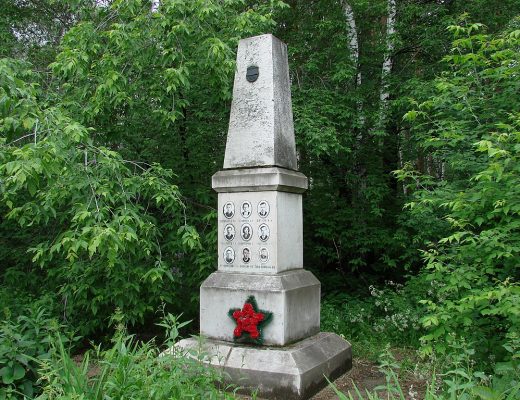
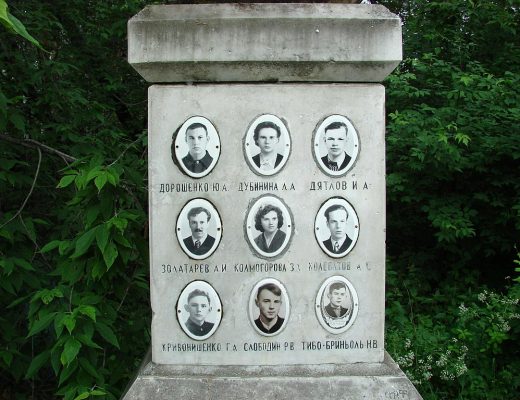
After the group’s bodies were discovered, an investigation by Soviet authorities determined that six had died from hypothermia while the other three showed signs of physical trauma. One victim had a fractured skull; two others had major chest fractures and the body of one of the group was missing both its eyes. One of the victims was missing a tongue. The investigation concluded that a ‘compelling natural force’ had caused the deaths. Numerous theories have been put forward to account for the unexplained deaths, including animal attacks, hypothermia, avalanche, katabatic winds, infrasound-induced panic, military involvement, or some combination of these. The initial suppression of files regarding the group’s disappearance by Soviet authorities is sometimes mentioned as evidence of a cover-up, but the concealment of information regarding domestic incidents was standard procedure in the USSR and therefore far from peculiar. And by the late 1980s, all Dyatlov files had been released in some manner.
Most notable historic snippets or facts extracted from the book ‘On This Day’ first published in 1992 by Octopus Publishing Group Ltd, London, as well as additional supplementary information extracted from Wikipedia.
HAVE YOUR SAY
Like the South Coast Herald’s Facebook page, follow us on Twitter and Instagram
To receive our FREE email newsletter, click HERE