
Meet the specialist doctors at Life Westville Hospital in Durban
Your heart and your eyesight are two of your greatest assets. In this special feature, two specialists from Life Westville Hospital in Durban share expert advice to help you protect both through early detection, healthy habits and informed healthcare decisions.

Durban cardiologist explains why understanding your heart health could save your life
Specialist cardiologist Dr Wanda Tshabalala of Life Westville Hospital believes informed patients make healthier choices. He shares why lifelong heart care, regular check-ups and clear communication are essential for preventing complications.
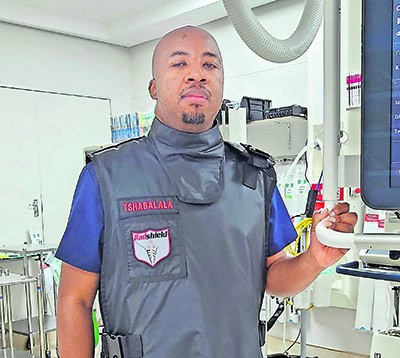
Helping patients better understand and manage their heart health is at the centre of Life Westville Hospital specialist cardiologist Dr Wanda Tshabalala’s work.
“I was drawn to a field where you can treat what you see and directly improve outcomes,” he says. “That clarity mattered to me.”
His passion for cardiology was shaped while working in a cardiac intensive care unit, where every decision counts. Today, he believes one of the most important parts of his role is ensuring patients understand their condition and treatment.
“I dedicate time every day to explaining conditions and treatment plans,” he says. “Understanding plays a vital role.”
His message is simple: heart disease requires lifelong management. Even when symptoms improve, ongoing medication, regular check-ups and healthy lifestyle choices remain essential.
He also challenges the misconception that heart disease can be cured. “Many patients feel better after treatment and stop taking their medication. That’s often when problems begin,” he explains.
Working in his own community makes his role especially meaningful. Having experienced poor communication in healthcare himself, he is committed to treating patients with kindness and respect.
Away from work, Dr Tshabalala enjoys walking, listening to UK radio and following motorbike racing to unwind.
Durban ophthalmologist shares how to protect your eyesight and spot serious eye conditions early
From cataracts and glaucoma to digital eye strain, ophthalmologist Dr Johann Snyman of Life Westville Hospital explains the warning signs of eye disease, why regular eye examinations matter, and the simple habits that can help protect your vision.
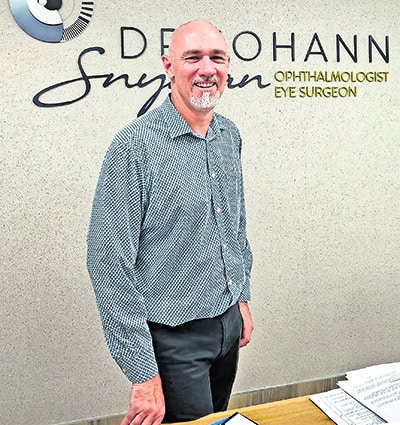
Protecting eyesight starts with early action and, according to Life Westville Hospital ophthalmologist Dr Johann Snyman, many serious eye conditions can be successfully managed if detected in time.
He advises patients never to ignore sudden vision changes, severe eye pain, flashes of light, floaters, double vision or persistent redness, as these may require urgent medical attention.
Dr Snyman diagnoses and treats conditions including cataracts, glaucoma, diabetic eye disease, retinal disorders and macular degeneration. He also highlights the growing problem of digital eye strain caused by prolonged screen use.
“Digital devices do not permanently damage the eyes, but extended use can cause headaches, dry eyes, blurred vision and difficulty focusing,” he says.
He recommends following the 20-20-20 rule: every 20 minutes, look at something 20 feet away for 20 seconds. Regular eye examinations are equally important, as early detection can help prevent permanent vision loss.
After more than a decade as a general practitioner and several years working across Asia, Dr Snyman specialised in ophthalmology. He also founded Africa20twenty, a non-profit organisation providing free cataract surgery to underserved rural communities.
Away from work, he enjoys camping, kitesurfing, running and cycling with his wife, Melindi, and their two sons.