

Voortrekkers clean up the Turffontein Concentration Camp Cemetery
The campgrounds have been closed to the public for the last few years, which in turn led to the camp being deteriorated to its current condition.
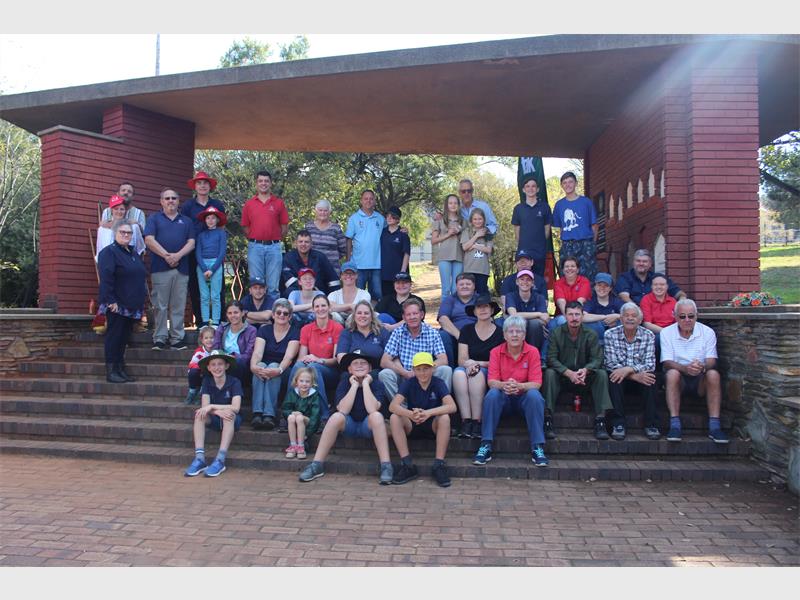
A group of volunteers from the Voortrekkers and the Federation of Afrikaans Culture (FAK) cleaned up the Turffontein Concentration Camp Cemetery on May 28.
The cemetery is located in Mondeor, south of Johannesburg.
In one corner is a small little white gravestone with the words ‘Francois Johannes Bekker. Gebore 12 Februarie 1901. Oorlede 17 Desember 1901.’
This is not just a story about little Francois but about thousands of children and women that died in concentration camps during the Anglo-Boer war.
The campgrounds have been closed to the public for the last few years, which in turn led to the camp deteriorating to its current condition.
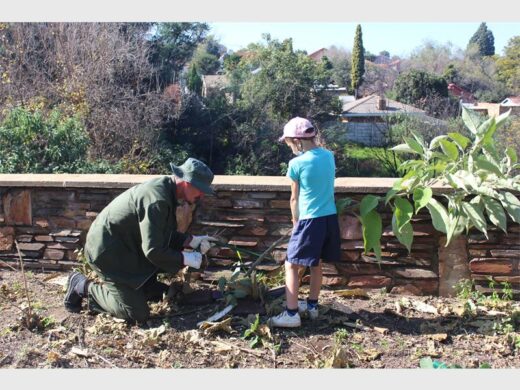
The Suiderlig Voortrekker Commando with the help of the Org Meyer and Kompas Field Cornets and the FAK decide to join efforts to help with the clean up of the campgrounds.
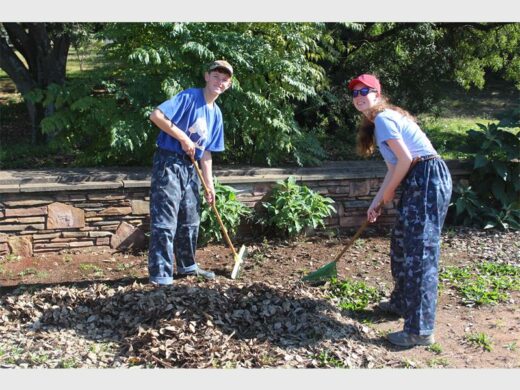
Gerhard Gericke, leader of the Oosvaal-Voortrekkers said: “It fills my heart with pride to see how many people still want to protect their heritage. It’s also good to see that people that don’t necessarily belong to either the FAK or the Voortrekkers put time aside to help with the cleanup. We also realise it will take at least four more Saturdays before the campgrounds are in a good condition again.”
Apart from the people that helped with the cleanup, there was also a group of amateur radio broadcasters with the help of Heritage On The Air to broadcast a message of hope.
Handri van der Loo, commando leader from the Unika Voortrekker Commando, was present with his Scouts to learn the importance of protecting one’s heritage while in the process also honouring those who were buried in the cemetery.
Van der Loo has knowledge of the area and its history told that the concentration camp was based at the Turffontein Racecourse forcing the people in the camp to walk about 6km to bury their loved ones.
“One can’t even start to think in what bad conditions the people in the camp had to stay in and to make matters worse they had to see daily how those they loved, young and old, died,” said van der Loo.
“It’s very important to not only remember these people but to also give them honour for what they did.”