

Curiosity Cube rolls into South Africa for the first time
Merck’s Curiosity Cube brings hands-on science to Johannesburg, inspiring kids aged eight to 13 to explore STEM and imagine futures in science.
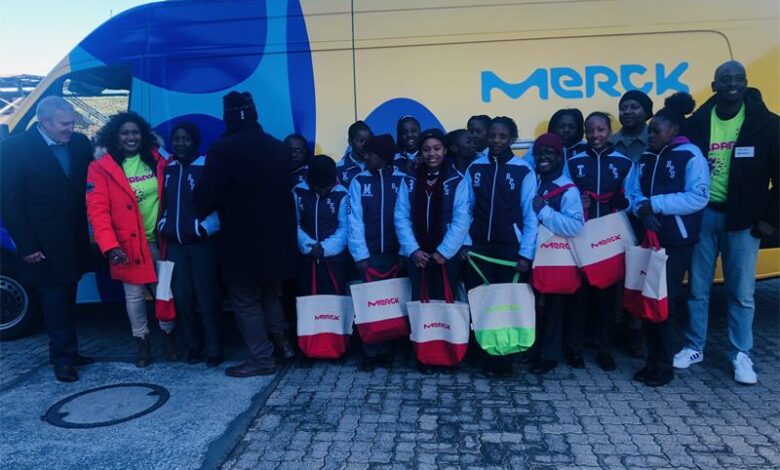
For the first time, the Curiosity Cube, a mobile science lab designed to make STEM (science, technology, engineering, and mathematics) education accessible and engaging, has arrived in South Africa.
Powered by global science and technology company Merck and supported by local partner universities, the initiative aims to ignite curiosity in young learners and inspire the next generation of African scientists.
The programme targets children between the ages of eight and 13 – a crucial stage when many begin forming ideas about their future careers. By offering an immersive and fun learning experience, the Curiosity Cube helps demystify science and encourages children to see themselves in STEM fields that may otherwise feel out of reach.
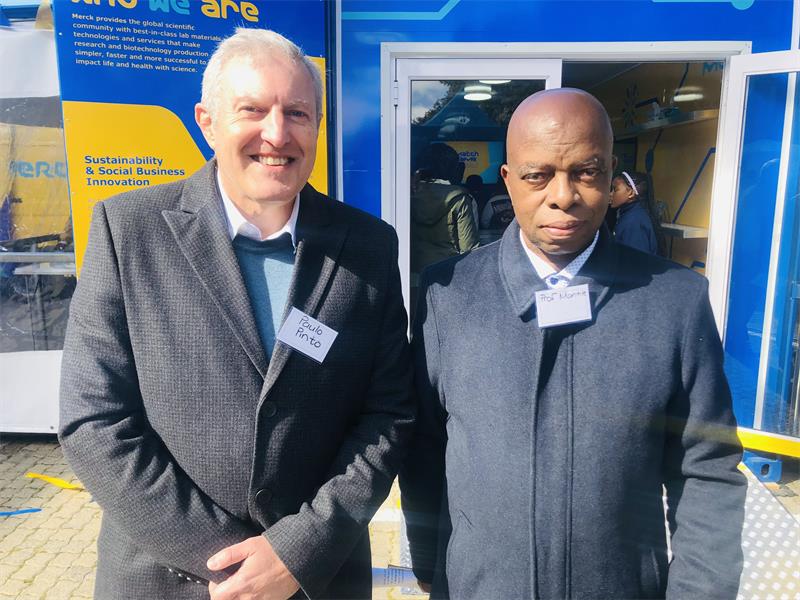
Paulo Pinto, head of South Africa Plus at Merck, said it was incredibly rewarding to see learners light up as they engaged with the experiments.
“The Curiosity Cube shows them that science isn’t just found in textbooks. It’s all around us. This hands-on approach develops essential problem-solving and critical thinking skills, making science both understandable and relatable,” said Pinto.
A recent Merck-funded survey found that nearly half (48%) of middle school learners struggle to imagine themselves in STEM careers, despite daily interactions with science and technology. The Curiosity Cube aims to close this gap by making science visible, fun, and accessible.
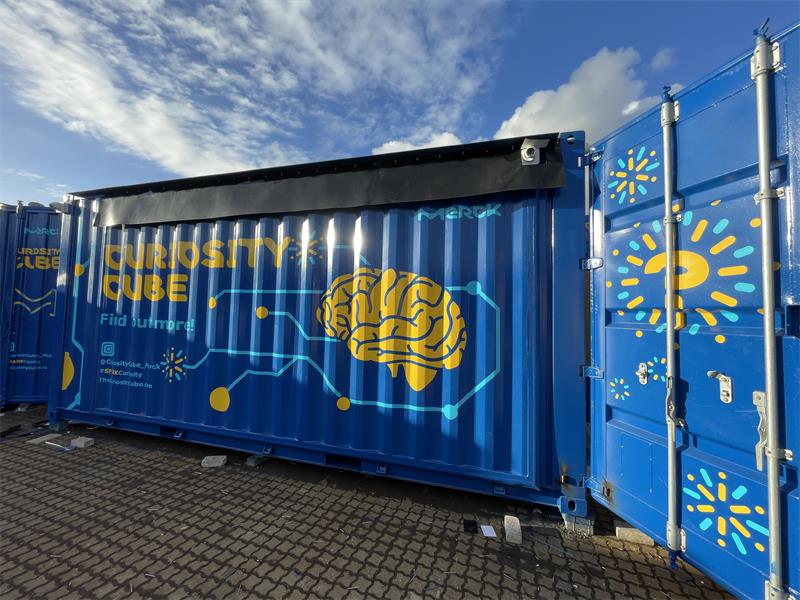
After successful tours in North America and Europe, Merck is now expanding the programme to Southern Africa. Between June and November this year, the Curiosity Cube will visit 100 schools and community events across South Africa, Botswana, Namibia, Lesotho, and Eswatini, with the goal of reaching over 15,000 learners.
At each stop, local university volunteers support the programme by sharing their personal science journeys and encouraging learners to dream big.
To learn more about upcoming tour stops or follow the Curiosity Cube’s journey across South Africa, visit TheCuriosityCube.com or follow @curiositycube_merck on Instagram.