
WATCH: Ward 57 residents engage MEC Maile during #ItTakesAVillageToRaiseAChild outreach
The outreach programme created an open platform for residents to engage directly with Gauteng MEC Lebogang Maile, ensuring local concerns help shape future education and community development plans.
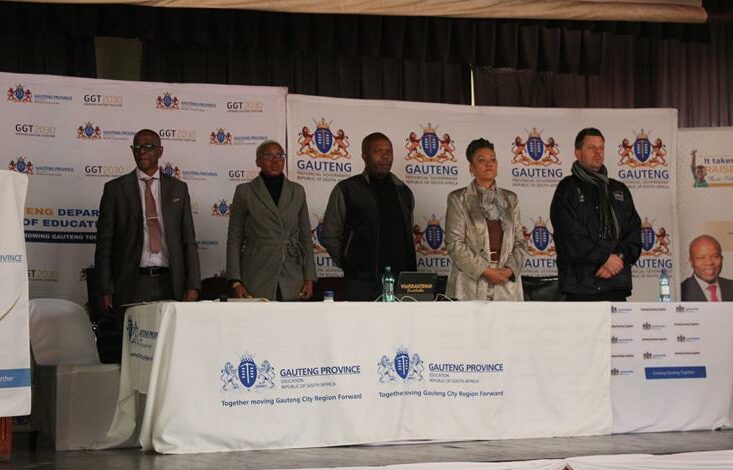
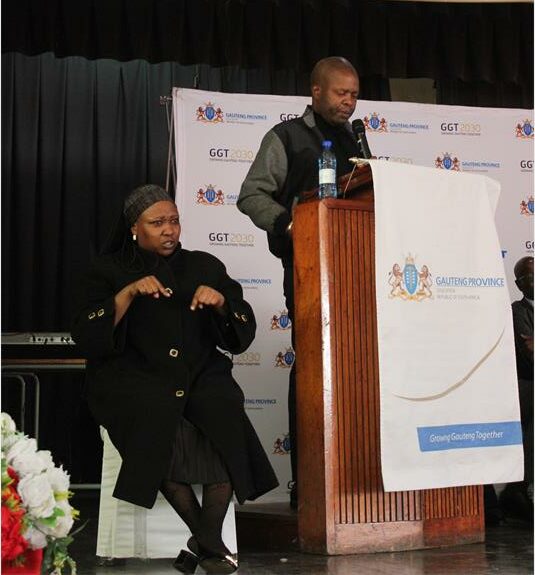
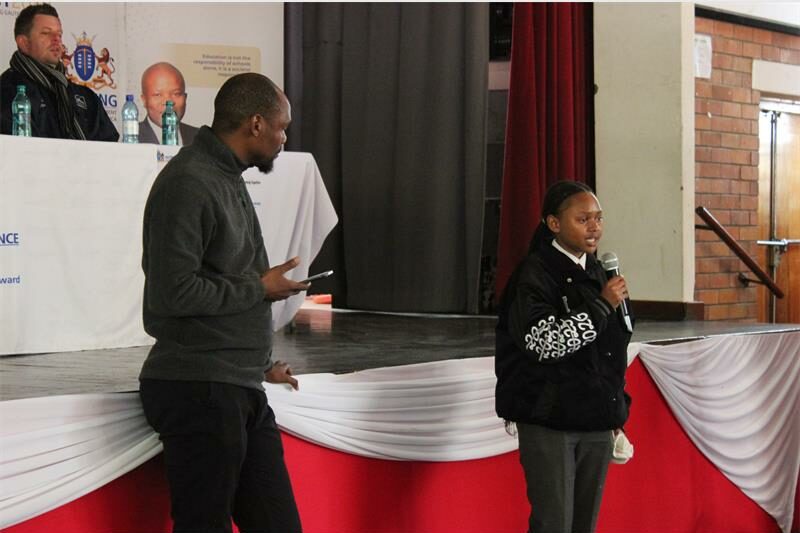
Gauteng MEC for Education, Sport, Arts, Culture and Recreation, Lebogang Maile, hosted the 29th #ItTakesAVillageToRaiseAChild Community Outreach Programme at Diversity High School.
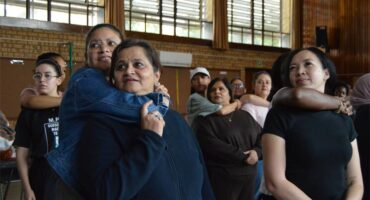
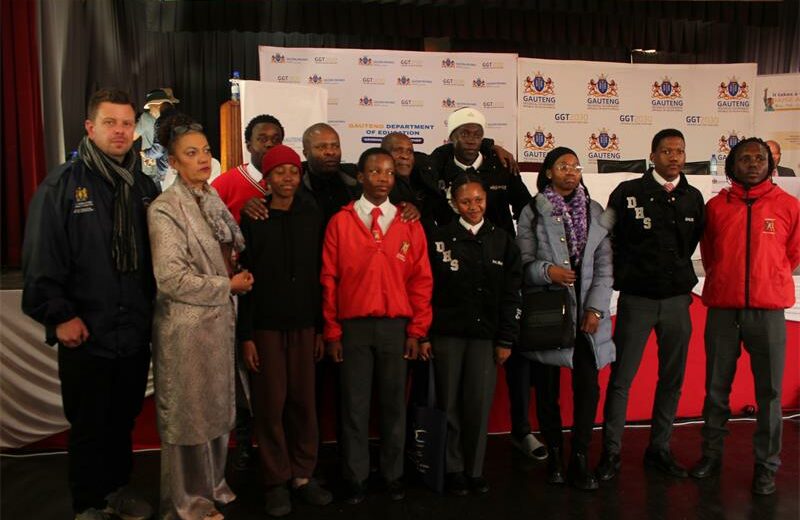
Ward councillors Faeeza Chame and Michael Crichton, community leaders, school governing body members, educators, parents, learners and other dignitaries gathered at the school for the programme.
@southern.courier Ward councillors Faeeza Chame and Michael Crichton, community leaders, school governing body members, educators, parents, learners and other dignitaries gathered at the school for the programme. Full story on southerncourier.co.za
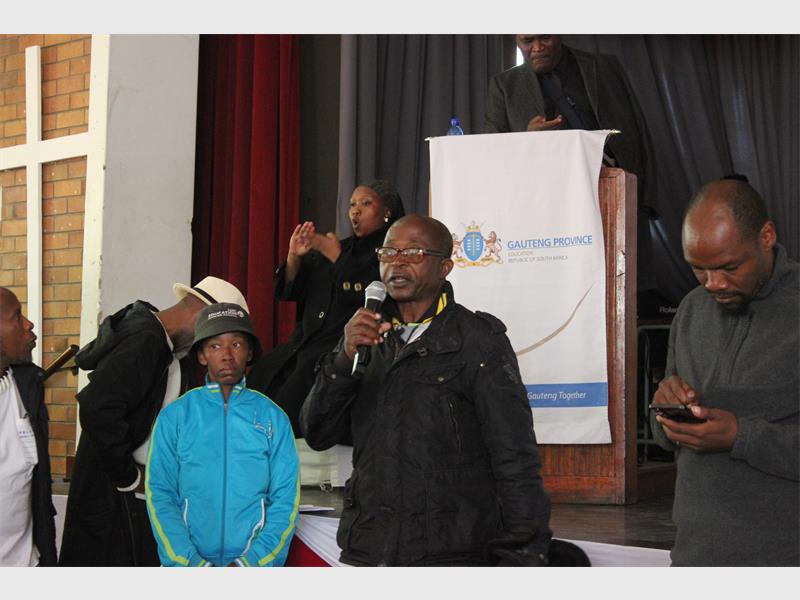
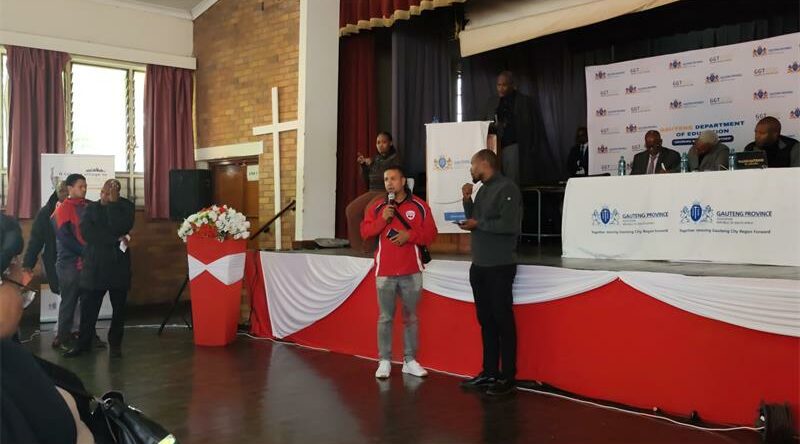
The initiative, aimed at strengthening collaboration between government and communities, gave residents an opportunity to raise concerns about education, sport, arts, culture and recreation while engaging directly with the MEC and senior departmental officials on issues affecting schools and learners.
Residents highlighted a range of challenges, including overcrowded classrooms, deteriorating infrastructure, learner safety, scholar transport, sporting facilities, school fees, special needs education, water and electricity interruptions, and crime around schools.
Thanking the community for its active participation, Maile said the discussions were important because lasting solutions could only be found when government listened to communities.
@southern.courier Gauteng MEC for Education, Sport, Arts, Culture and Recreation, Lebogang Maile, hosted the 29th #ItTakesAVillageToRaiseAChild Community Outreach Programme at Diversity High School. Full story on southerncourier.co.za
“I will start by giving an overview because it is important that we are on the same page when we deal with these issues,” he said.
Schools reflect the challenges facing communities
The MEC explained that many of the problems experienced in schools originate within communities themselves.
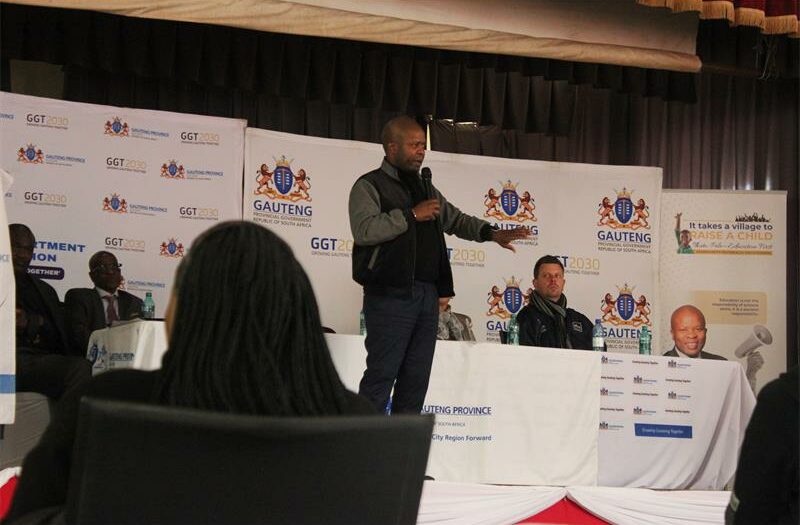
“Schools are a reflection of what is happening in our communities,” he said. “If there is crime in communities, if there is unemployment or poverty, all those challenges will find expression in our schools because learners and educators come from those communities.”
Maile said Gauteng has experienced rapid population growth over the past three decades, placing immense pressure on public services.
He highlighted that the province’s population has increased from around seven million people in 1994 to approximately 16 million today, making Gauteng the country’s economic hub and a destination for people from across South Africa and neighbouring countries seeking better opportunities.
@southern.courier Sport development featured prominently during the discussions, with residents calling for improved facilities, equipment and greater support for local sporting codes. Full story on southerncourier.co.za
He said learner enrolment had also doubled from 1.4 million to 2.8 million, with approximately 50 000 new learners entering Gauteng schools every year.
“The pressure is huge. There is no school where there is no problem,” he said.
The MEC acknowledged that undocumented learners also form part of the education system and stressed that every child deserves access to education. He added that discussions are under way on how government can better manage the growing demand on schools.
Budget constraints require innovative thinking
Responding to concerns about overcrowding and ageing infrastructure, Maile explained that while the education budget has increased significantly over the years to R70.9 billion, much of it is already committed.
More than R52 billion is spent annually on educators’ salaries, while billions more are allocated to learner nutrition, school allocations and operational costs.
He said Gauteng requires approximately 200 additional schools to reduce overcrowding, but the cost of constructing them would exceed R35 billion.
“We’ve got a lot of money in education, but that money is not enough,” he said.
Rather than focusing on the challenges alone, Maile said the department is exploring innovative funding models through partnerships with the private sector to accelerate school construction and infrastructure development.
Improving transport, utilities and school safety
The MEC also outlined plans to improve scholar transport, saying safer and more reliable transport remains a priority.
He proposed working with private partners to provide modern buses fitted with tracking technology and improved safety systems, while also enabling schools to use the vehicles for sporting and educational activities.
Residents also raised concerns about water and electricity disruptions at schools.
Maile said the department is considering centralising utility payments while investing in solar energy, battery storage and water reservoirs to reduce dependence on municipal services.
School safety was another major concern raised during the engagement.
The MEC said government is exploring the introduction of surveillance cameras, controlled access systems and improved security technology to combat vandalism, violence and drug-related activities on school premises.
Parents encouraged to seek assistance
Responding to concerns about school fees, Maile reminded parents that unemployed parents qualify for fee exemptions and urged those struggling financially to approach their district offices for assistance.
However, he cautioned against abusing the exemption process, saying the system should remain available for families who genuinely need support.
He also indicated that Gauteng would like to see a simpler system consisting of fee-paying and no-fee schools, although such changes would require national policy intervention.
Community partnerships to strengthen sport
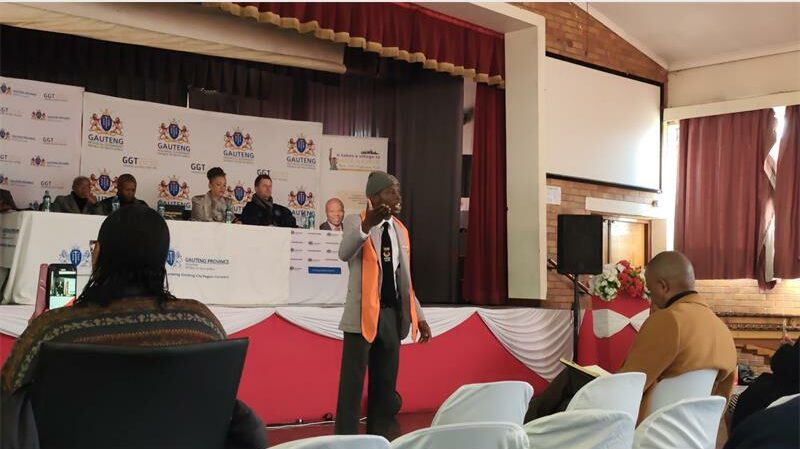
Sport development featured prominently during the discussions, with residents calling for improved facilities, equipment and greater support for local sporting codes.
Maile stressed that government does not directly run sport but works to coordinate, facilitate and mobilise resources.
He explained that active local sports associations are essential for government funding to reach communities and warned that public money could not be entrusted to poorly governed organisations.
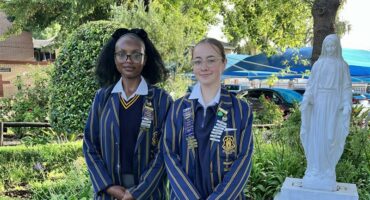
@southern.courier Kgosietsile Mailula from Kibler Park Secondary School reciting a poem during the opening of the outreach programme. Full story on southerncourier.co.za
The MEC announced plans to meet with local football, boxing, netball and other sporting associations to determine how available funding should be spent.
“It is your money,” he said. “You must know where it goes.”
Recognising the limited budget available for sport, arts and culture, Maile said he has begun engaging businesses and organisations to establish partnerships that will improve facilities and opportunities for young people.
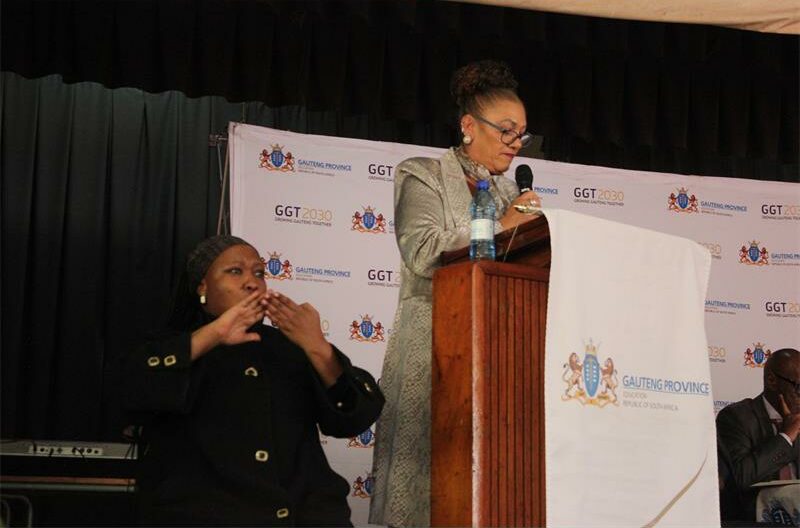
@southern.courier Ward 57 Councillor Faeeza Chame addresses residents Full story on southerncourier.co.za
He shared examples of business leaders who had already donated hundreds of thousands of rand towards repairing classrooms and school facilities, saying such partnerships demonstrate what can be achieved when government and the private sector work together.
Supporting teachers, learners and vulnerable groups
The MEC praised teachers who dedicate their personal time to coaching learners after school, describing them as role models deserving greater recognition.
“These are the people who must be celebrities in our communities,” he said.
He also reaffirmed government’s commitment to ensuring equal opportunities for girls and boys in school sport and encouraged schools to support all learners regardless of gender.
Parents of children with autism and other special educational needs also raised concerns during the meeting.
Acknowledging the unique challenges they face, Maile announced that the department will host a dedicated engagement with parents and specialists.
Accountability and stronger governance
Residents also called for greater community involvement in schools through non-profit organisations.
While supporting the idea, Maile said appropriate policies and vetting processes are needed to ensure schools remain safe while allowing credible organisations to contribute meaningfully.
The MEC also condemned corruption in schools, saying officials who steal public funds should face criminal prosecution rather than disciplinary action alone.
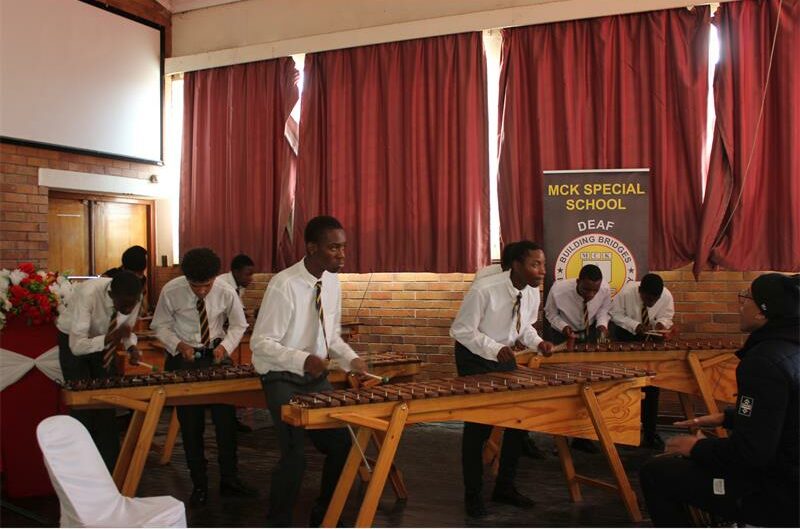
@southern.courier The MCK Special School for the Deaf marimba team entertains guests with a lively musical performance. Full story on southerncourier.co.za
He further instructed officials to work with law enforcement to reclaim community sports facilities that have been illegally occupied so they can once again serve young people.
Concluding the meeting, Maile thanked residents for raising their concerns honestly and reiterated that meaningful change depends on collaboration between government, schools, parents, businesses and communities.
The #ItTakesAVillageToRaiseAChild Community Outreach Programme continues to provide an important platform for direct engagement between government and residents.