
Bee swarms increase in Joburg south ahead of Spring
Safe removal of bees urged as swarming season begins in Ward 23 and surrounding areas.
With spring approaching, registered beekeepers in Ward 23 and neighbouring areas of Johannesburg are warning residents to be on the lookout for bee swarms and to report colonies safely rather than attempting to remove them.
Bee colonies play a vital role in South Africa’s agricultural and urban environments.
They are essential pollinators that help maintain biodiversity, support community and household food gardens, and contribute to the health of natural ecosystems by connecting fragmented habitats.
The most common species found locally is the African Honey Bee (Apis mellifera scutellata). Indigenous to much of the country, this honey-producing species is generally smaller and darker, with reddish-brown colouring and distinctive yellow bands.
They live in large, well-organised colonies and are highly social insects. As winter draws to a close, bee colonies begin to swarm as part of their natural reproductive cycle.
The process is driven by favourable weather, increased food availability, and overcrowding within hives. During swarming, thousands of bees leave the original colony with a queen to establish a new home.
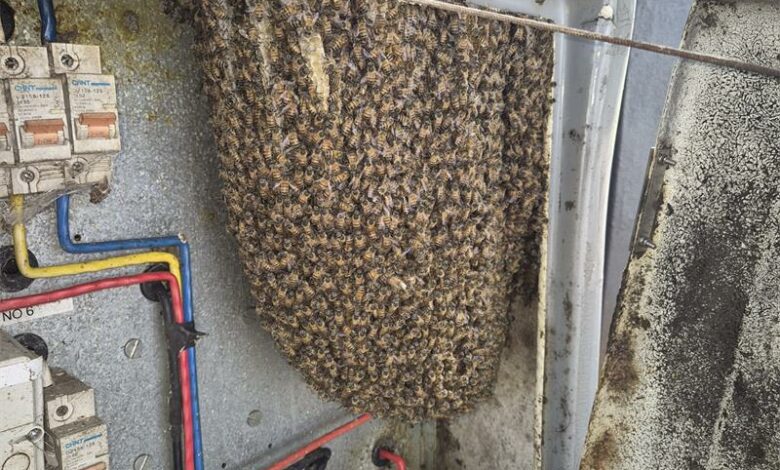
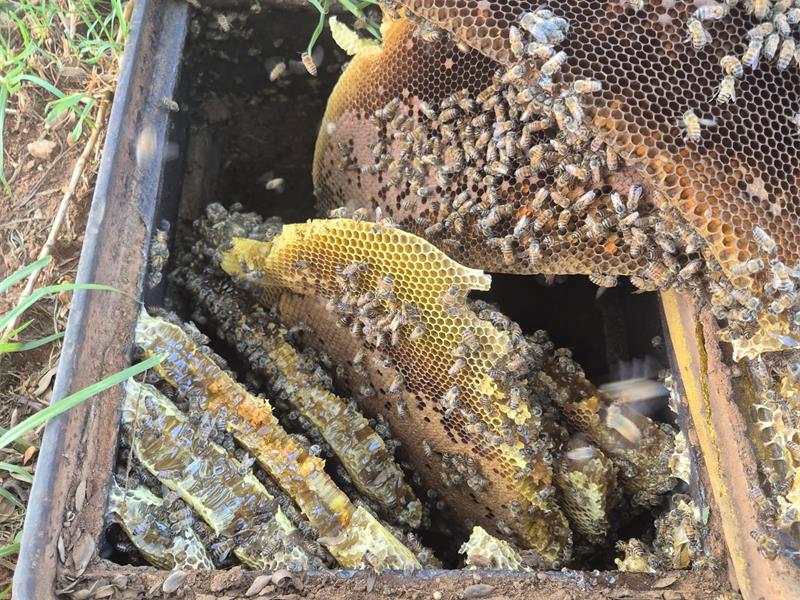
Temporary swarms and new colonies may be found in dustbins, water valve chambers, electrical boxes, manholes, transformers, trees, brick walls, retaining walls, roof spaces, chimneys and air vents.
Residents are strongly advised not to approach or disturb bee colonies.
While bees are generally not aggressive when left alone, they will defend their colony if threatened.
Disturbing a colony can result in multiple stings and poses a serious risk to people allergic to bee venom.
“In one recent incident, gardening activities inadvertently disturbed a colony, resulting in a swarm attacking workers and pets on the property. Tragically, one of the dogs did not survive the attack,” a local beekeeper noted.
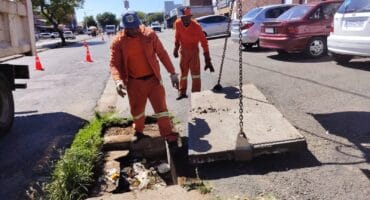
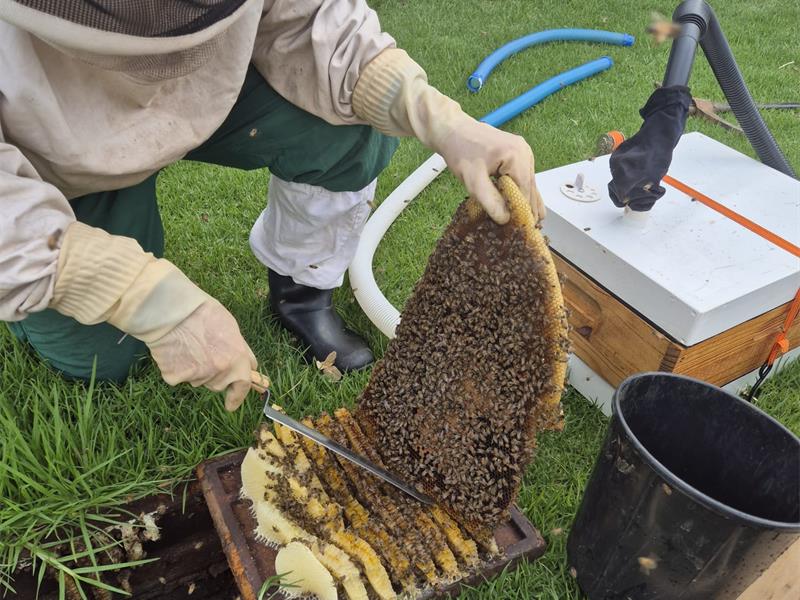
Registered beekeepers operating in Ward 23 work closely with Ward Councillor Tyrell Meyers to assist with the safe removal and relocation of bee colonies found in Johannesburg Water and City Power infrastructure.
Removing bees from essential civil and electrical infrastructure ensures colonies are relocated safely and allows maintenance work to proceed without unnecessary service interruptions.
Residents are asked to assist by reporting any bee colonies found in or around municipal infrastructure.
Early reporting allows municipal authorities to assess the situation, grant approvals, and arrange safe relocation by qualified beekeepers.
For assistance or to report a bee colony, contact Louis van Wyk on 082 929 1934 or Lohann van Wyk on 076 796 3121.