

WATCH: Johannesburg breaks ground on R20m Stafford biogas plant
The pilot plant at Robinson Deep Landfill Site will process 50 tonnes of organic waste a day as the city works to reduce landfill pressure and generate renewable energy.
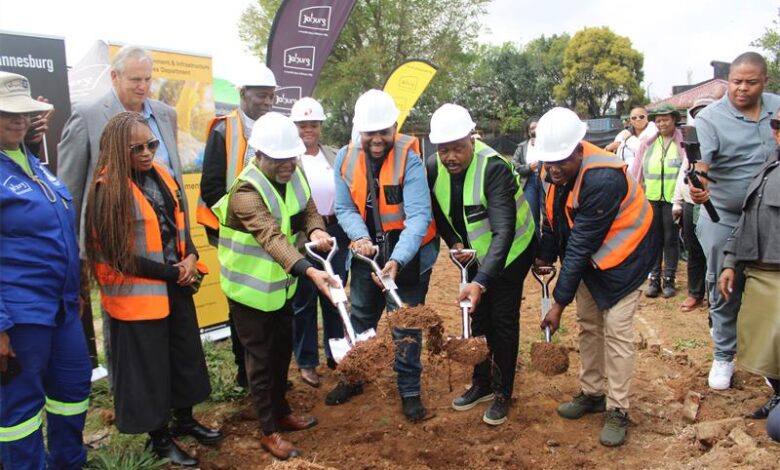
The City of Johannesburg has taken a major step towards transforming its waste management system, with Executive Mayor Dada Morero officially breaking ground on a municipal-scale biodigester pilot plant that will turn organic waste into renewable energy.
The sod-turning ceremony on September 8 at the Robinson Deep Landfill Site in Stafford marked the start of construction of the facility, which is expected to play a key role in reducing the pressure on the city’s landfill sites while contributing to a cleaner and greener Johannesburg.
Partnership drives green energy initiative
The City’s Environment and Infrastructure Services Department (EISD) is driving the project in partnership with the United Nations Environment Programme (UNEP), the Global Environment Facility (GEF) and the Development Bank of Southern Africa (DBSA).
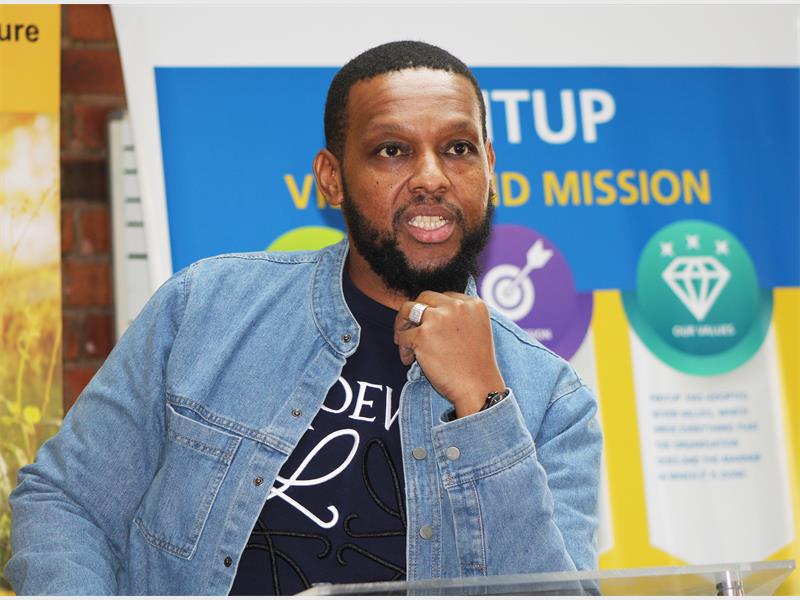
Other key stakeholders include Energidrop, Joburg City Parks and Zoo, the Development Planning Department, the University of Johannesburg (UJ) Research and Development Centre and Pikitup.
Khabokedi Waste Management, Mbali Industrial Solutions and Selectra will undertake construction.
At the heart of the project is a 50-ton-per-day biogas plant designed to process organic waste and produce renewable energy.
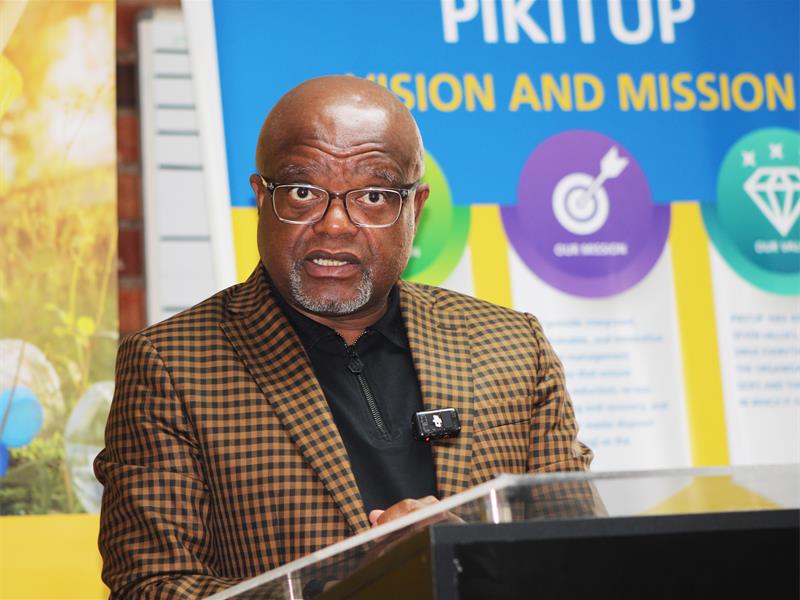
@southern.courier Executive director for EISD Dr Tebogo Modiba The pilot plant will also serve as a demonstration facility, allowing the City and its partners to assess the technology’s technical, operational and financial performance under Johannesburg’s local conditions. Full story on southerncourier.co.za
♬ original sound – Southern Courier
The City expects the technology, if successfully demonstrated and scaled up, to contribute significantly to its energy supply while reducing reliance on Eskom, with Morero noting the project could ultimately generate about 20MW of electricity for the municipal grid.
Grid integration to boost local power
“This project will help us to produce at least just around 20MW of electricity, which will then be taken back to the grid,” Morero said. “It will help us to reduce the reliance on Eskom as part of the City’s programmes to onboard other alternative technologies on electricity.”
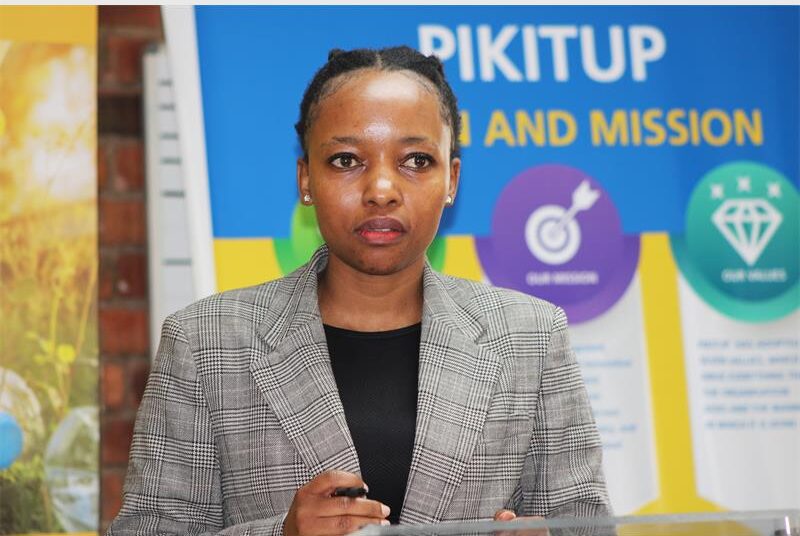
Morero said the initiative would also help the City manage its landfill sites more effectively and improve the way waste is handled across Johannesburg.
“I want to encourage our residents to start the separation of waste at source. In that way, we’ll have a better way of handling waste in Johannesburg,” he said.
@southern.courier Morero said the initiative would also help the City manage its landfill sites more effectively and improve the way waste is handled across Johannesburg. “I want to encourage our residents to start the separation of waste at source. In that way, we’ll have a better way of handling waste in Johannesburg,” he said. Full story on southerncourier.co.za
♬ original sound – Southern Courier
The project forms part of the City’s broader efforts to address mounting pressure on landfill capacity, reduce greenhouse gas emissions and promote more sustainable and resource-efficient waste management.
Waste separation-at-source initiatives will support the project by ensuring a reliable supply of biodegradable material.
These initiatives include programmes at the Johannesburg Fresh Produce Market and selected commercial establishments, where organic waste will be separated for use as feedstock at the facility.
Strategic shift in waste management
Member of the Mayoral Committee (MMC) for EISD Jack Sekwaila described the facility as a strategic shift in the way Johannesburg views waste.
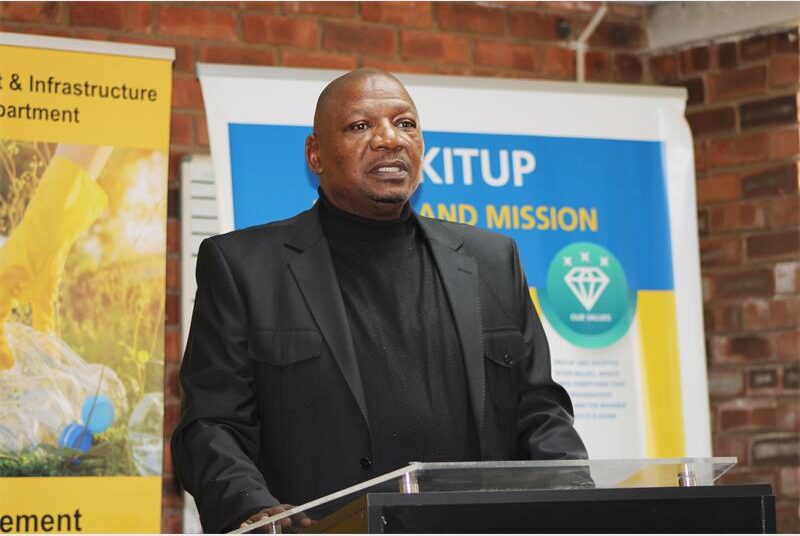
“Organic waste should increasingly be seen as a resource with the potential to generate renewable energy and support a circular economy,” he said.
The pilot plant will also serve as a demonstration facility, allowing the City and its partners to assess the technology’s technical, operational and financial performance under Johannesburg’s local conditions.
The findings will inform any decision to expand the technology to other parts of the city.
Construction is scheduled for completion in March 2027, after which the plant will be commissioned and undergo a 12-month operational testing phase.
@southern.courier The City of Johannesburg has taken a major step towards transforming its waste management system, with Executive Mayor Dada Morero officially breaking ground on a municipal-scale biodigester pilot plant that will turn organic waste into renewable energy. Full story on southerncourier.co.za
♬ original sound – Southern Courier
The initiative represents a significant shift away from treating waste as something to be discarded, toward recovering value from it.
If successful, the biodigester could help Johannesburg reduce its dependence on landfill sites, recover valuable resources, lower environmental impacts and generate much-needed renewable energy.
For a city under growing pressure to manage waste, secure energy and reduce its environmental footprint, the project could mark the beginning of a new chapter in how Johannesburg turns one of its biggest challenges into an opportunity.