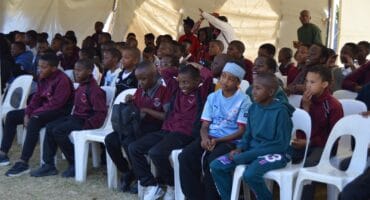

#HOLLER 2026 turns the conversation on GBV into action
The campaign brought leaders, survivors, advocates and communities together to shift the GBV conversation from awareness to accountability and action.
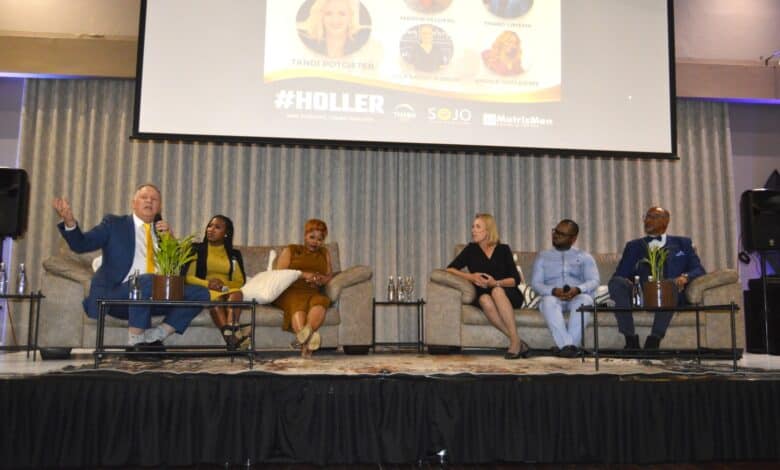
The sixth annual #HOLLER Campaign presented by Mall of the South has called for South Africa to move beyond awareness and focus on preventing gender-based violence (GBV), accountability and meaningful action.
Held recently at Thaba Eco Hotel, #HOLLER 2026 brought together business leaders, government representatives, behavioural specialists, psychologists, community organisations, men’s advocates, survivors and civil society under the theme “Awareness to Action. Hurt to Healing.”
The discussions focused on practical solutions, including healthy masculinity, education, community partnerships, accountability and the role of men in preventing violence.
Research by KPMG South Africa estimates that GBV costs corporate South Africa more than R36b annually through absenteeism, lost productivity and healthcare-related expenses.
The research also found that more than half of South African companies do not have GBV awareness training, highlighting the important role businesses can play in prevention and education.
Hester Smith, centre manager of Mall of the South, said the campaign must focus not only on supporting survivors but also on preventing violence before it happens.
“Supporting survivors will always remain at the heart of #HOLLER,” said Smith. “However, if we are serious about reducing the number of victims, we must focus equally on prevention. This is not about blaming men, it is about empowering more men to become advocates, mentors and part of the solution. Prevention begins long before violence does.”
Changing the conversation around men
South African actor, writer and founder of the Fatherhood Foundation of South Africa, Zane Meas, who was among the panellists, brought more than two decades of experience in fatherhood and men’s development to the discussion.
Meas has spent 21 years working to help men understand the importance of fatherhood, responsibility and positive manhood.
“I have been doing fatherhood work for 21 years and when I started, I thought I would do it for five or six years and that people’s hearts would change. But 21 years later, I still feel like we may need another 20 years because the work is still needed,” said Meas.
He said changing attitudes towards manhood is an important part of addressing GBV.
“For me, part of understanding manhood and fatherhood is understanding what is happening with GBV. We need to get men to change the way they think about manhood and what it means to be a man. It should not be about control or power. It should be about responsibility and respect.”
Meas also called for safe spaces where people are not blamed for violence committed against them and urged organisations and government to ensure that awareness campaigns lead to action.
“My biggest hope is that people take GBV seriously. We have many awareness campaigns and discussions but there must be follow-through. We need to be able to look back and say that because we had these conversations, we put real measures in place and things actually changed.”
Breaking the gender wall
Acclaimed author, international speaker and founder of MatrixMen, Martin Pelders, also called for a broader approach to GBV, saying men and boys must be included in the conversation.
“I always say GBV is a human problem, not a gender issue. Everybody can be affected, everybody is a potential victim and everybody is a potential perpetrator. We cannot fix the problem by only dealing with half of it. It is time to change the narrative and break the gender wall.”
Pelders said children often carry the greatest burden when violence affects families.
“For me, the people who suffer the most are often the children. They have no say in who their parents are or how they are raised. If we can save one generation of children, we can change the world.”
Through MatrixMen, Pelders advocates for supporting both victims and perpetrators, including helping men address trauma and harmful behaviour.
“We need to teach them that it is okay to speak, to deal with their emotions and to ask for help,” he said.
Turning talk into support
The campaign also turned its call for action into direct support for organisations working in communities.
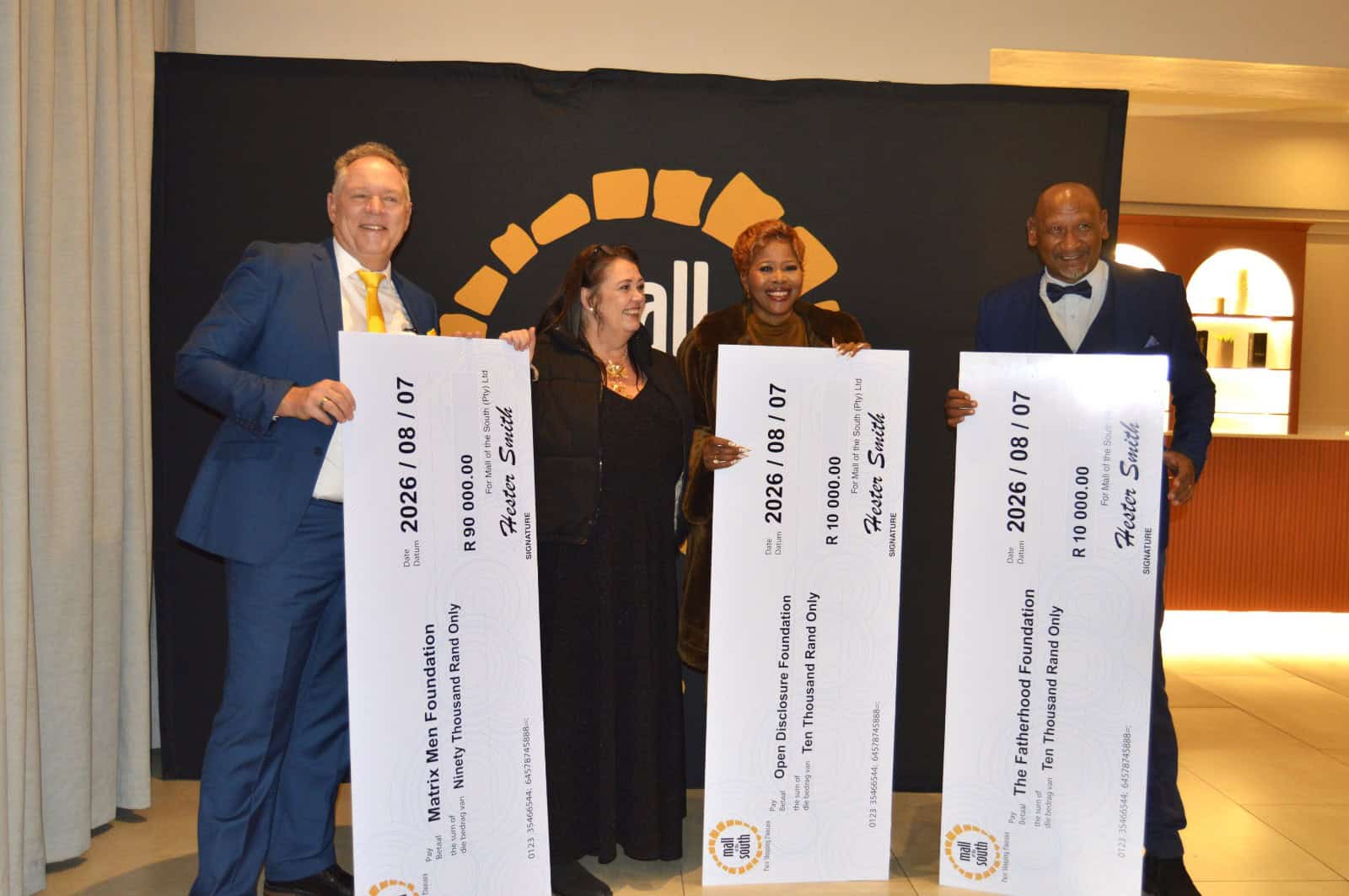
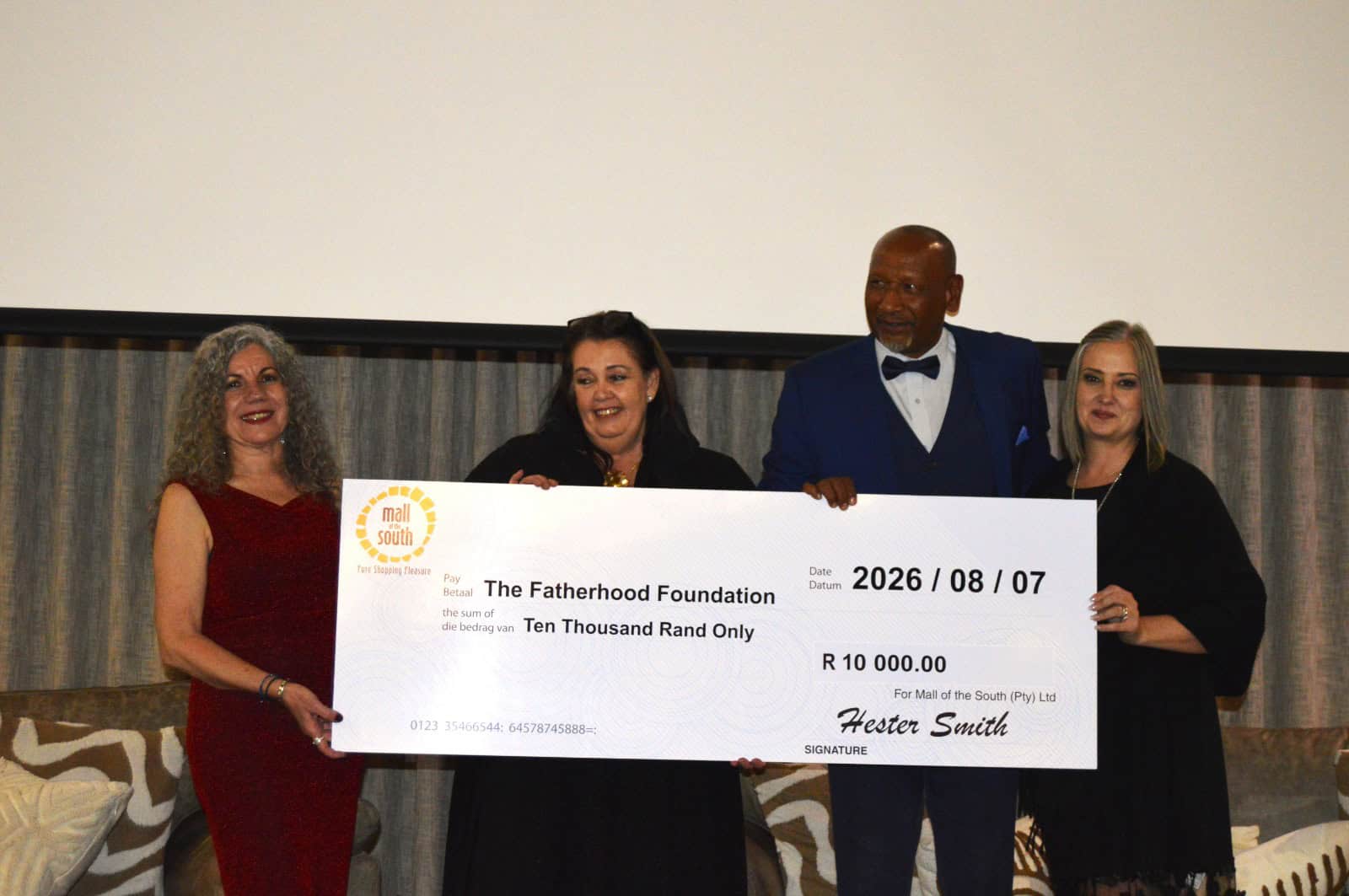
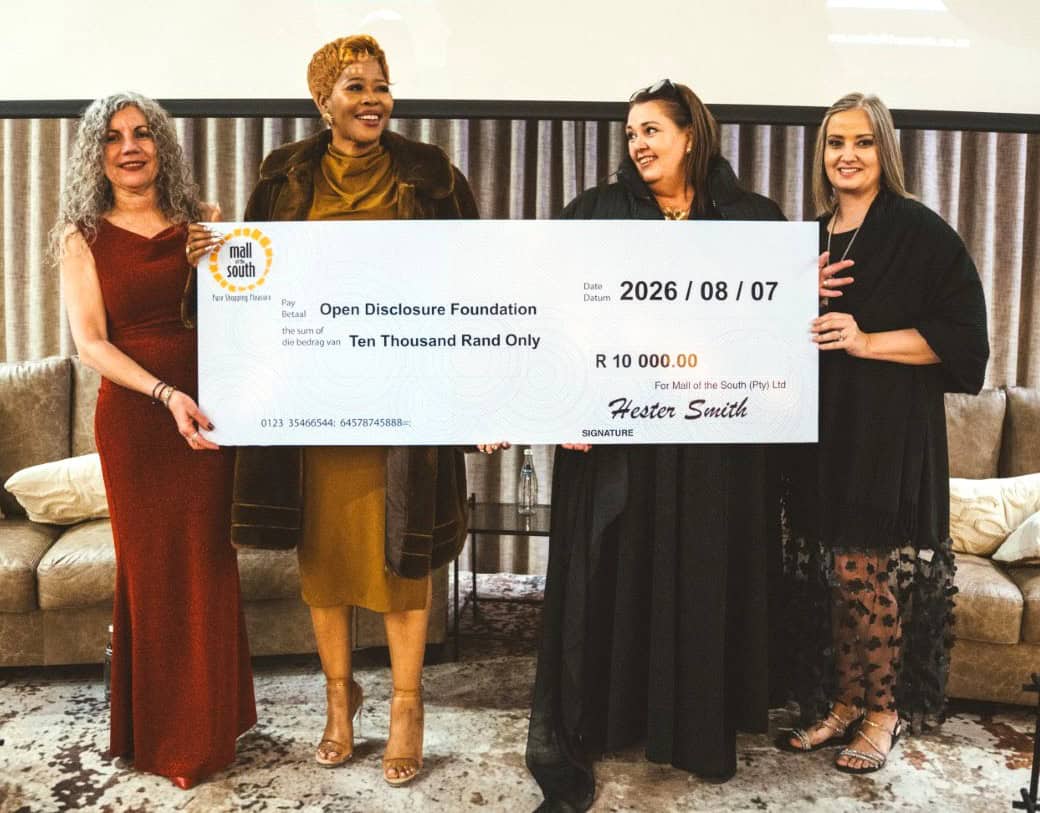
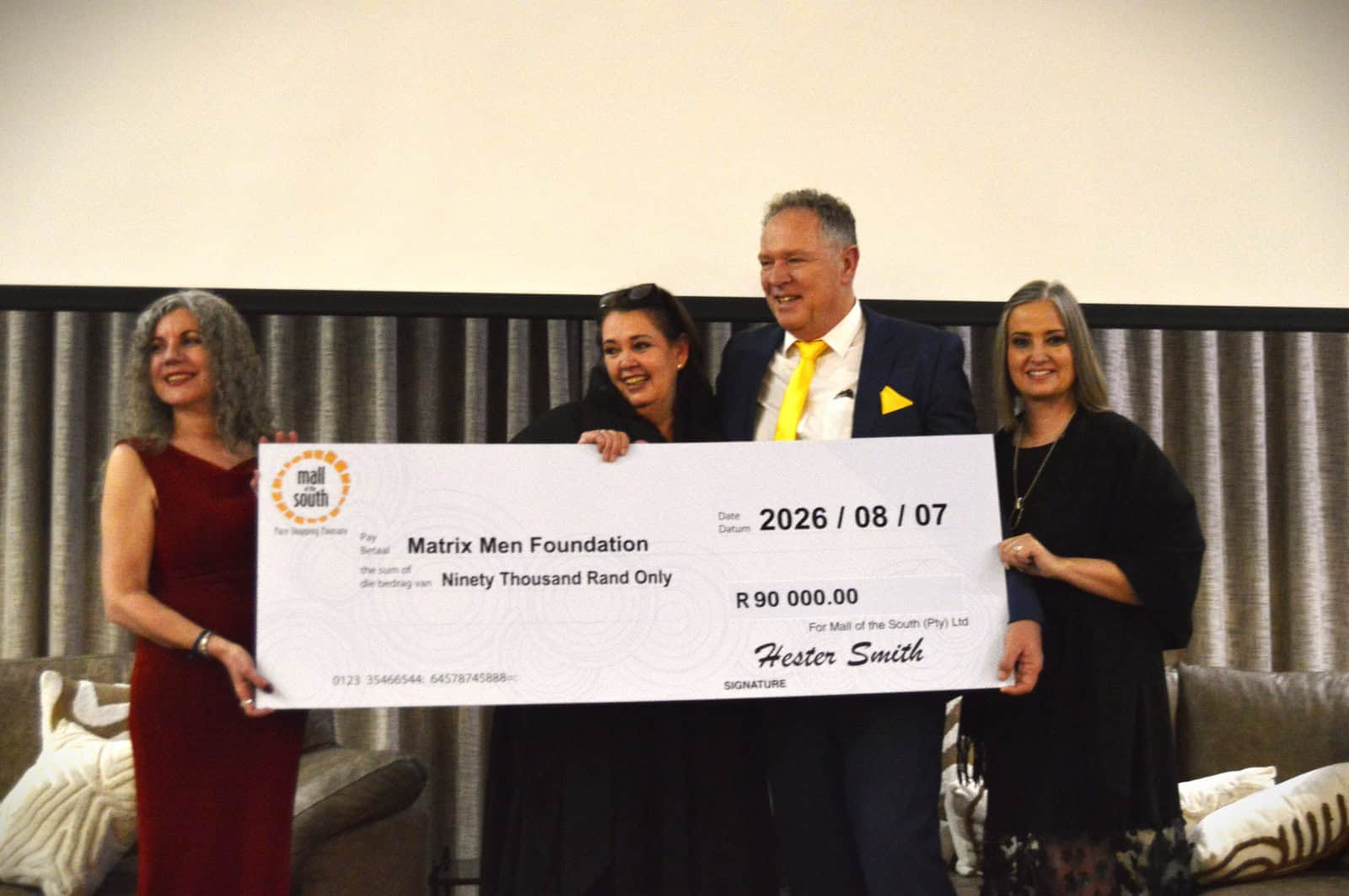
Three foundations received cheques to continue their vital work. MatrixMen Foundation received R90 000, while the Open Disclosure Foundation, founded by television personality Andile Gaelesiwe, received R10 000. The Fatherhood Foundation of South Africa also received R10 000.
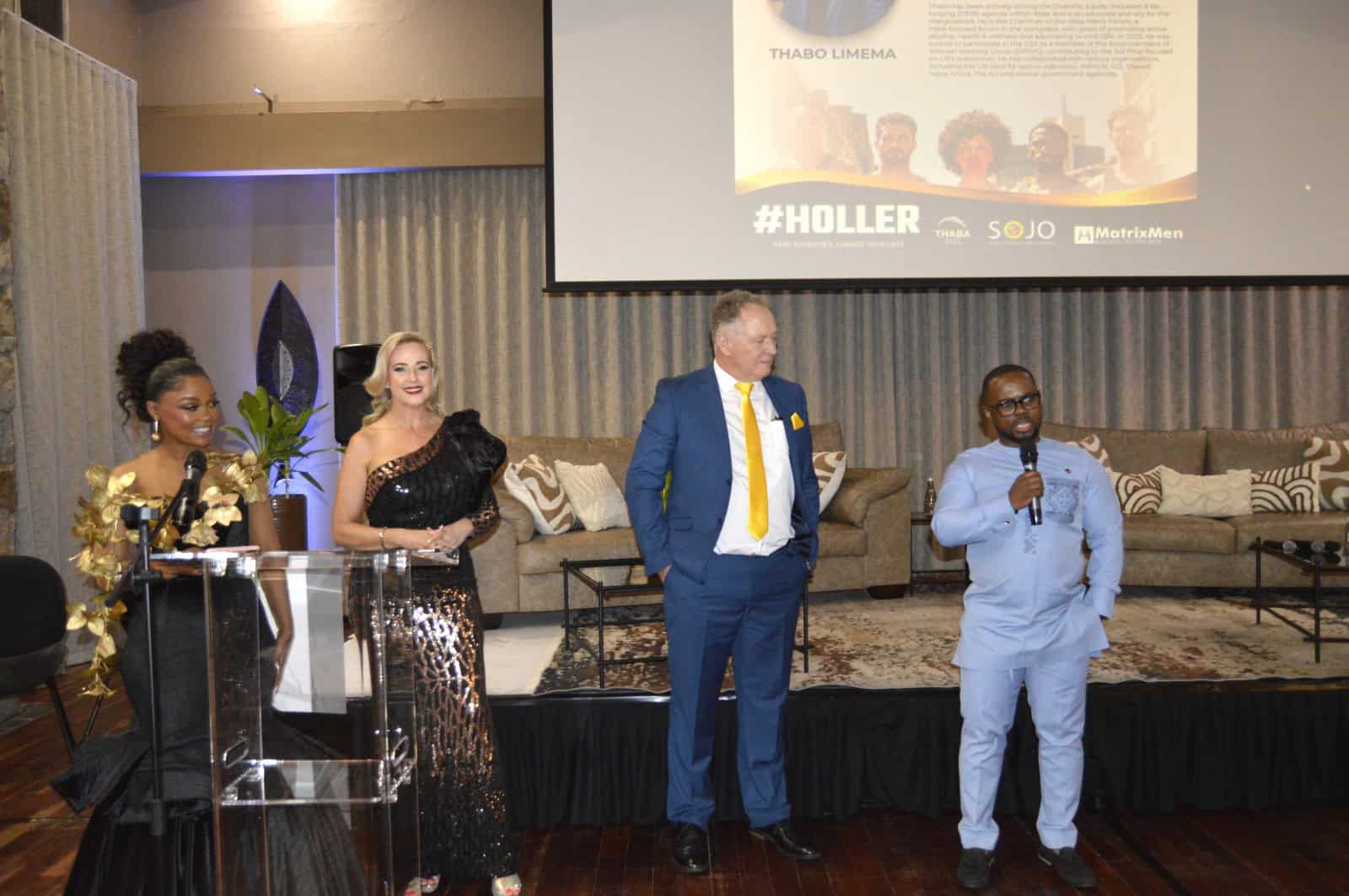
The evening further acknowledged the recent appointment of Thabo Limema to South Africa’s National Council on Gender-Based Violence and Femicide, highlighting the importance of collaborative leadership in tackling the crisis.
The organisers also extended their sincere gratitude to all partners and sponsors whose support and contribution helped make #HOLLER 2026 a success.